
NEWS
King Oyo of Tooro Dies at 34 After Nearly 31 Years on Uganda’s Ancient Throne

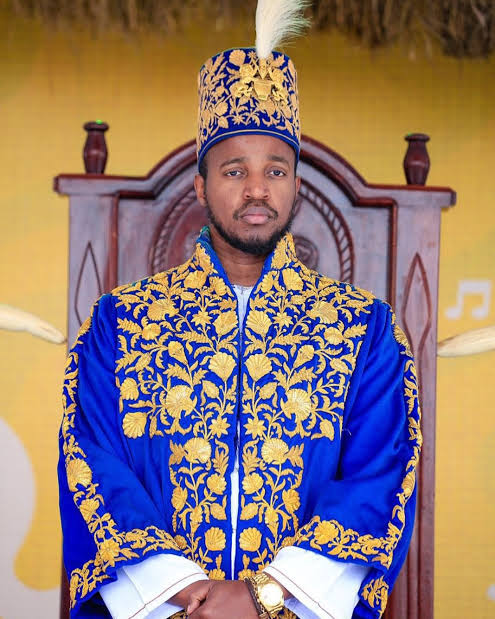
The Kingdom of Tooro has been thrown into mourning following the death of its monarch, Omukama Oyo Nyimba Kabamba Iguru Rukidi IV, who passed away at the age of 34 after nearly three decades on the throne.
King Oyo, who was born on April 16, 1992, died on Thursday, August 27, 2026, at approximately 10:00 p.m. His death came exactly 31 years and a day after the passing of his father, Omukama Patrick David Matthew Kaboyo Olimi III.
The announcement of the monarch’s death was made by the Tooro Kingdom Prime Minister, Calvin Armstrong Rwomiire Akiiki, who described the development as a profound loss to the royal family, the people of Tooro and Uganda.
“It is with profound sadness and a heavy heart that I announce the passing of His Majesty the Omukama of Tooro, King Oyo Nyimba Kabamba Iguru Rukidi IV, at approximately 10:00 p.m. this evening,“ Tooro Kingdom Prime Minister, Calvin Armstrong Rwomiire Akiiki said in a statement.
King Oyo is understood to have spent several days in a coma before his death after reportedly being admitted to a hospital in the United States for medical treatment.
Although the exact circumstances surrounding his death have not been officially disclosed, sources said the monarch had reportedly been diagnosed with advanced-stage brain cancer. The reported illness had not previously been publicly confirmed by the kingdom, and details surrounding his medical condition and final days remained limited.
The death marks the end of a remarkable royal journey that began when Oyo ascended the throne as a three-year-old child in 1995, following the death of his father.
“This is an immeasurable loss to the Royal Family, the people of Tooro and the nation of Uganda,“ Premier Rwomiire said.
The Prime Minister appealed to the people of Tooro to maintain peace and solidarity as the kingdom comes to terms with the loss of its long-serving monarch.
He called upon the people of Tooro to “remain united, calm and prayerful during this difficult time.”
Despite the death of King Oyo, the Tooro Kingdom has moved to reassure its subjects that the institution of the monarchy will continue, with succession arrangements expected to follow established royal traditions and customs.
The kingdom said the continuity of the Crown is assured.
“His Majesty leaves behind a Prince as his heir, whose identity will be formally revealed at the appropriate time, in accordance with the traditions and customs of Tooro Kingdom,“ Premier Rwomiire added.
King Oyo became internationally known after taking over the Tooro throne at just three years old, making him the world’s youngest king at the time. His accession attracted considerable international attention and made him one of the most recognisable young traditional rulers in Africa.
Following his enthronement on September 12, 1995, the young monarch was initially guided by regents because of his age. He later formally assumed the administration of the kingdom after turning 18 in 2010.
By the time of his death, King Oyo had reigned as Omukama for nearly 31 years, making his tenure one of the longest in the recent history of the Tooro monarchy.
His death therefore closes an extraordinary chapter in the history of the kingdom, one that began with a three-year-old prince inheriting an ancient institution and ended with the monarch dying at 34 after decades of royal service.
The late King’s reported medical treatment in the United States had kept details of his health largely out of the public domain. As of the announcement of his death, the kingdom had not publicly released further information on the nature of his illness or the circumstances leading to his passing.
Attention will now turn to the Tooro Kingdom’s traditional and constitutional processes for the transition of the Crown, with the identity and formal presentation of the heir expected to be announced at an appropriate time.
For the people of Tooro, King Oyo’s death represents the loss of a monarch whose entire adult life was intertwined with the leadership, identity and cultural heritage of the kingdom.