
NEWS
LEKJAA DECLARES END TO MOROCCO’S BID TO HOST AFRICAN COMPETITIONS, DEFENDS NATION’S ROLE IN CAF

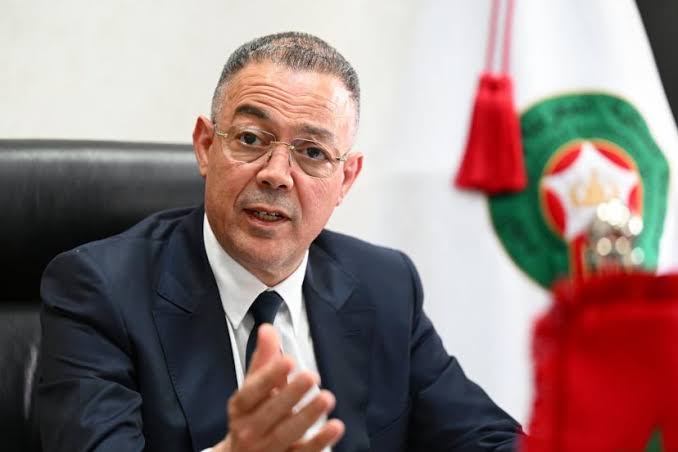
The President of Morocco’s Football Federation (FRMF), Fouzi Lekjaa, has announced a major shift in Morocco’s engagement with continental football, declaring that the North African nation will no longer submit bids to host African competitions.
Speaking in a recent interview with Al Jazeera 360, Lekjaa made the announcement while addressing a range of issues concerning Morocco’s involvement in African football, including the aftermath of the controversial Africa Cup of Nations (AFCON) final against Senegal and allegations of Moroccan influence within the Confederation of African Football (CAF).
“Starting today, Morocco will no longer submit any bids to host African competitions, regardless of their nature. If other countries wish to organize them, we wish them the best,” Lekjaa said.
His declaration marks a significant development for African football, considering Morocco’s prominent role in hosting major continental tournaments in recent years. The country has consistently invested heavily in sports infrastructure, security, and organizational capacity, earning praise from international football stakeholders for its ability to stage world-class events.
Lekjaa rejected suggestions that Morocco enjoys special privileges or advantages within African football, arguing that what some perceive as benefits are simply the result of Morocco’s willingness to host tournaments that other nations are often reluctant to organize.
The FRMF President also revisited the events surrounding the AFCON final against Senegal on January 18, a match that remains one of the most talked-about moments in recent African football history. The final was overshadowed by controversy following Senegal’s walk-off, a development that dramatically altered the course of the tournament.
The incident reportedly sparked unrest, with attempts by some Senegalese supporters to storm the pitch and engage in acts of hooliganism. The controversy generated widespread debate across the continent and fueled criticism directed at Morocco despite what many observers considered to be a successfully organized tournament.
Six months after what was widely regarded as the most successful tournament in CAF history, Morocco appears to have reassessed its willingness to continue bearing the burden of hosting continental competitions.
Addressing concerns raised by Senegal regarding security arrangements during the tournament, Lekjaa insisted that no complaints were made prior to the final.
“On the contrary, their federation president even said the stadium was world-class, and everything was perfect,” Lekjaa said.
According to him, the Senegalese Football Federation had publicly announced the arrival time of its national team in Rabat, a move that attracted large numbers of supporters eager to welcome the squad. He explained that the resulting crowd situation later became the basis for claims that security around the team was inadequate.
Lekjaa maintained that Morocco has continued to strengthen security measures around its stadiums and host cities to ensure the safety of both players and supporters during major sporting events.
He further emphasized that Morocco’s security record speaks for itself and does not require external validation, noting that the country enjoys a strong reputation among international partners who recognize its organizational capabilities and commitment to safety.
The football administrator also paid tribute to Moroccan supporters, commending their maturity and restraint throughout the tournament, particularly during the emotionally charged final against Senegal.
Reflecting on additional concerns raised by the Senegalese delegation, Lekjaa disclosed that Morocco had made several accommodations to address their requests.
“We changed it for them. The third issue was that they refused to train with the Moroccan national team,” he added.
Beyond the AFCON controversy, Lekjaa firmly dismissed claims that Morocco exerts excessive influence within CAF. Responding to accusations that the country enjoys disproportionate power in African football administration, he argued that the facts do not support such assertions.
“What influence are you talking about?” he asked.
Lekjaa pointed out that Morocco does not have a single employee working within CAF and lacks significant representation across the federation’s committees. He explained that his appointment as chairman of CAF’s finance committee was based solely on his professional expertise and background in financial management rather than any political influence.
His remarks come at a time when discussions about governance, power dynamics, and the future direction of African football continue to dominate conversations across the continent. While Morocco’s decision to withdraw from bidding for African competitions may reshape future hosting arrangements, it also raises important questions about how CAF tournaments will be organized in the years ahead and which nations will step forward to fill the void left by one of Africa’s most capable hosts.