
NEWS
Miss Malawi 2026 Controversy Deepens as Winner Is Replaced by Minister’s Daughter Ahead of Miss World

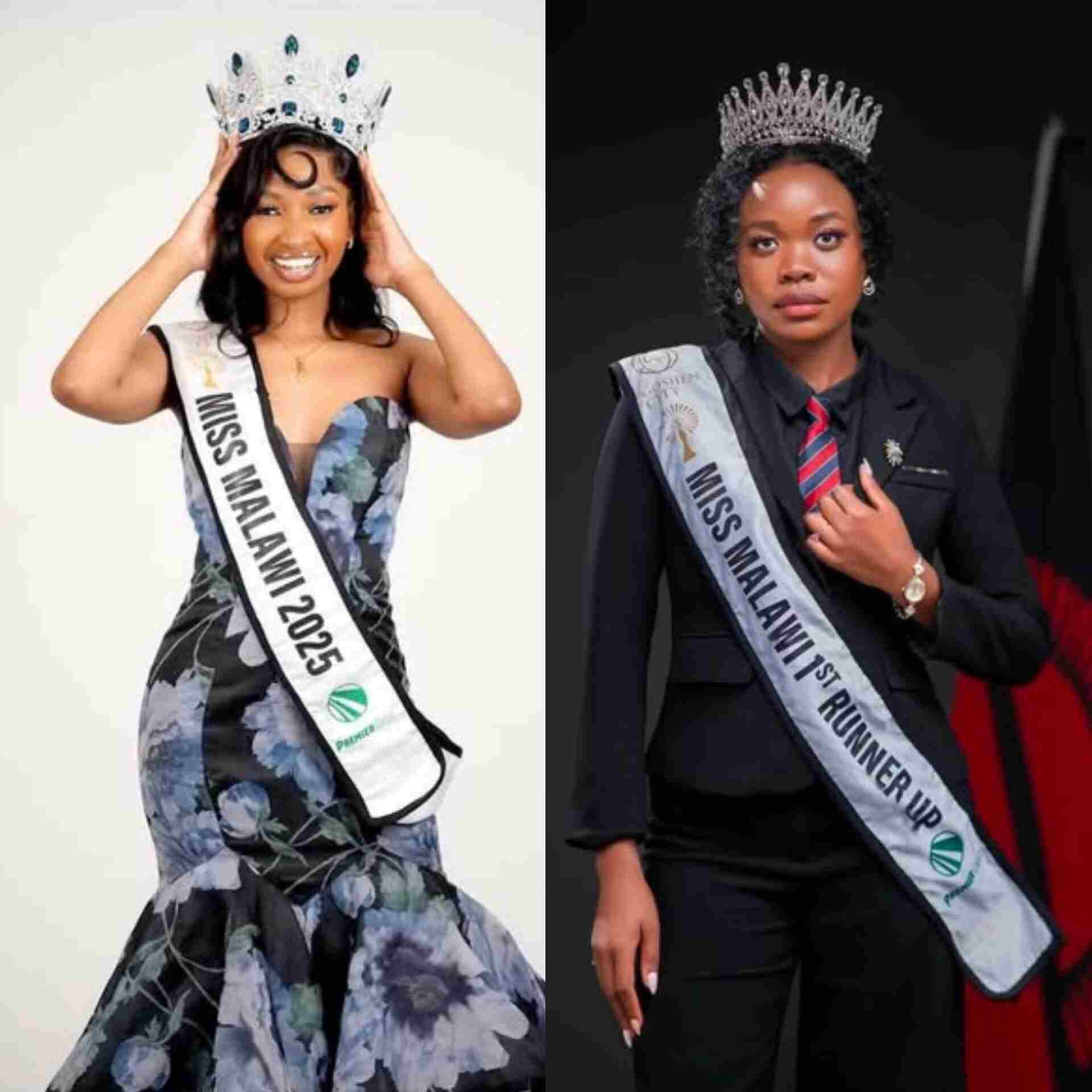
A controversy has erupted in Malawi over the country’s representation at Miss World 2026 after reigning Miss Malawi queen Thandi Chisi was replaced by first runner-up Ireen Navicha, the daughter of Malawi’s Cabinet Minister Mary Navicha.
Chisi emerged as the winner of the Miss Malawi contest and was crowned on December 13 in Lilongwe, earning the expectation that she would represent the country at the prestigious Miss World competition, according to Citizen Digital.
However, organisers later chose Navicha, who finished as first runner-up, to represent Malawi at the international pageant held in Vietnam from August 9 to September 5, 2026. The decision immediately generated public criticism, with questions raised over the transparency of the selection process and whether the reigning queen had been fairly treated.
The controversy became particularly significant because Malawi was returning to the Miss World stage after a 14-year absence, making the selection of its representative a matter of considerable public interest.
Initially, organisers explained that Chisi had been dropped because she was above the permitted age for the Miss World competition. The explanation, however, attracted further scrutiny, as the official eligibility requirements generally cover contestants between the ages of 17 and 27, while Chisi would still have been 27 when the international competition took place.
Faced with growing criticism, the Miss Malawi Organisation subsequently issued an apology. Its chief executive, Benedette Mweso, was quoted by local media as saying the organisation took “full responsibility for causing the age eligibility confusion.”
The pageant’s principal sponsor, Prophet Shepherd Bushiri’s Goshen City, offered a different justification for the change. Rather than focusing on Chisi’s age, the sponsor attributed the decision to its board’s “new approach to creating opportunities for all finalists” and the selected finalist’s “international experience.”
Miss Malawi board chairperson Prophetess Mary Bushiri was also quoted as saying international opportunities “would not be limited to the winner alone, but would also be made available to the first and second runners-up, as well as other finalists.”
The conflicting explanations have continued to fuel public debate, particularly over why the reigning queen was initially presented as the country’s representative before another finalist was eventually selected.
There has been no indication from the organisers that the decision would be reversed. Miss World subsequently confirmed on its official website that Navicha represented Malawi at the 2026 competition, effectively bringing an end to any possibility of Chisi taking part in the contest that year.
Despite being denied the opportunity to compete internationally, Chisi maintained a positive public posture and appeared determined not to allow the controversy to overshadow her achievement as Miss Malawi.
Responding to the development, she said a “crown does not make a Queen; character does. And no circumstance can take that away.”
In a statement issued on July 27, Chisi also expressed confidence that “in due course, the relevant facts will emerge,” while promising to address the controversy “openly and responsibly at the appropriate time.”
While the dispute surrounding her replacement remained unresolved, Navicha proceeded to represent Malawi at Miss World in Vietnam.
She eventually exited the competition on September 5 after failing to advance from the Top 40 to the Top 20. Despite not making the final 20, her performance delivered a historic achievement for Malawi, as she became the first representative from the country to reach the Top 40 stage of Miss World.
Her achievement therefore gave Malawi its strongest-ever showing at the global pageant, even as the circumstances surrounding her selection continued to attract attention back home.
Miss World, which began in London in 1951, is one of the world’s longest-running and most recognised international beauty competitions. Over the decades, the pageant has evolved beyond conventional beauty contests, placing considerable emphasis on contestants’ social impact, leadership and humanitarian activities.
A major component of the competition is its Beauty With a Purpose initiative, which highlights charitable and community-focused projects undertaken by contestants and recognises efforts aimed at improving lives in their respective countries.
With contestants drawn from well over 100 countries annually, advancing to the Top 40 is considered a notable accomplishment, particularly for countries with limited history of success at major international pageants.
For Malawi, Navicha’s Top 40 finish represents a significant milestone. But alongside that achievement, the controversy over why the reigning Miss Malawi was replaced remains a subject of public interest, with questions over the explanations given by organisers and the circumstances surrounding the change yet to receive a universally accepted answer.