
NEWS
Mojtaba Khamenei Injured in Israeli Airstrike as Iran Confirms Transition of Power Following Death of Ayatollah Ali Khamenei

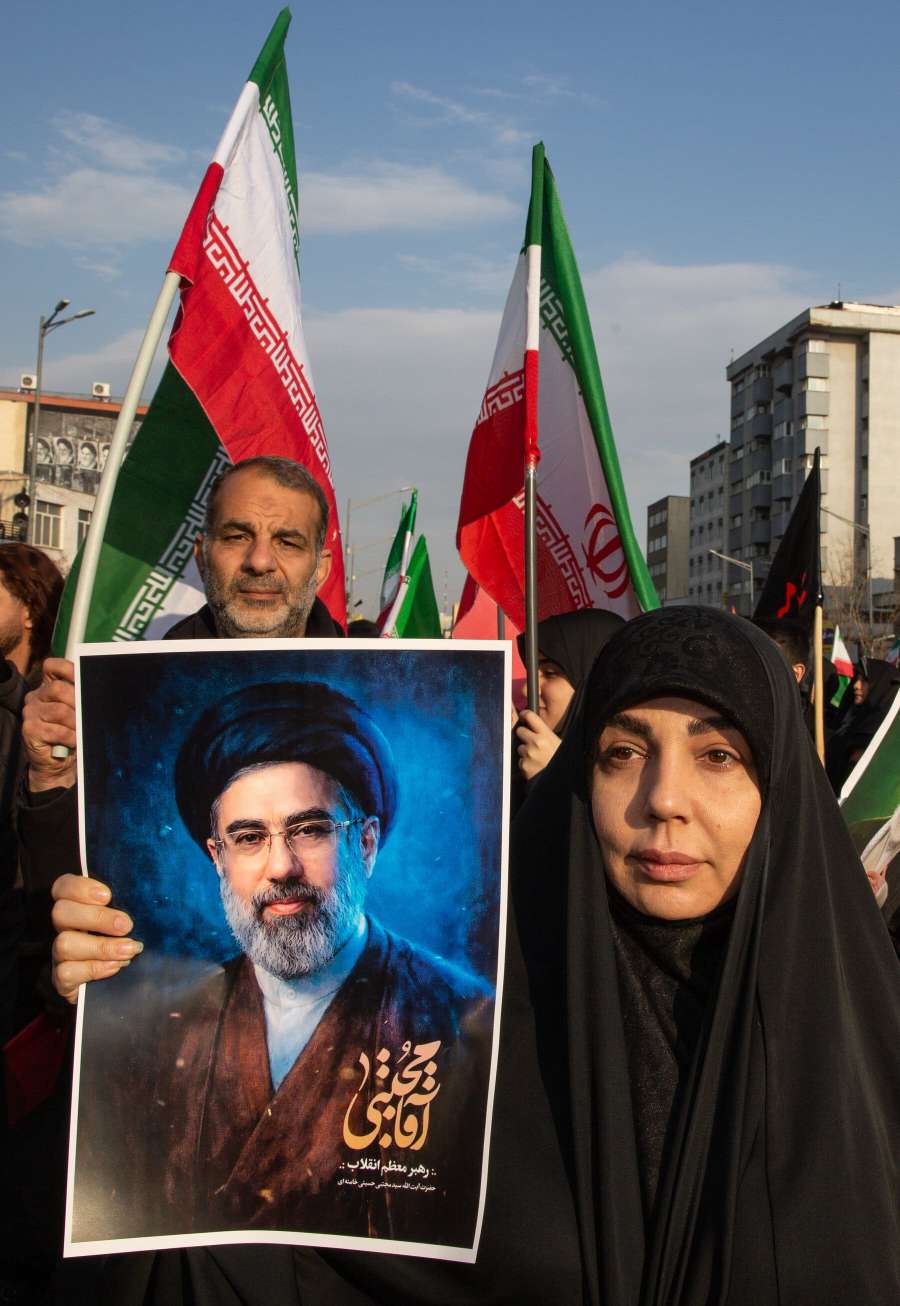
Iran’s newly installed Supreme Leader, Mojtaba Khamenei, reportedly sustained injuries during the first day of the bombardment campaign carried out by the United States and Israel, according to sources familiar with the situation.
The 56-year-old leader suffered a fractured foot along with several minor injuries during the attacks. Sources indicated that in addition to the foot fracture, he also sustained bruising around his left eye and minor cuts on his face.
Reports of his injury surfaced shortly after claims emerged that he had been targeted in an assassination attempt amid escalating regional tensions. An Israeli source previously indicated that Khamenei had been wounded during an operation last week, fueling days of speculation about his condition.
Iranian diplomatic officials later suggested that the injuries occurred during the same airstrike that reportedly killed his father, Ali Khamenei, who had served as Iran’s supreme leader for decades. The strike was also said to have killed five additional members of the Khamenei family.
Iran’s ambassador to Cyprus, Alireza Salarian, confirmed that Mojtaba Khamenei was wounded in the attack but survived. Since his appointment to the country’s most powerful political and religious office, he has not appeared publicly or delivered a national address, a development officials attribute to the injuries he sustained.
Meanwhile, Yousef Pezeshkian stated that he had received information indicating the new leader was safe and that there were no immediate concerns about his condition.
In the absence of recent footage of the new supreme leader, Iranian state media has relied heavily on archival material and digital imagery to maintain public visibility of the new leadership. Shortly after the leadership transition was announced, state broadcasters released a documentary highlighting Mojtaba Khamenei’s life story, including his modest upbringing, religious education in the holy city of Qom, and his participation as a teenage fighter during the Iran–Iraq War.
Although he maintained a relatively low public profile before assuming the country’s highest office, Mojtaba Khamenei had long been regarded as a key figure within the extensive political and security network established by his father over several decades. Observers note that he cultivated close ties with the powerful Islamic Revolutionary Guard Corps as well as with influential economic and political elites aligned with the ruling establishment.
Political analysts believe his rise to power signals continuity in Iran’s hardline stance toward Western powers and regional rivals. Prior to his confirmation as supreme leader, regional experts suggested that his leadership could serve as a message that external military pressure would not force Iran to alter its geopolitical positions.
Despite his relatively limited public visibility internationally, Mojtaba Khamenei has previously faced scrutiny from Western governments. In 2019, the United States Department of the Treasury imposed sanctions on him for allegedly working closely with the Revolutionary Guard to advance policies linked to Iran’s regional influence and domestic political control.
The leadership transition has also drawn criticism from Washington. Former U.S. President Donald Trump publicly condemned the appointment, describing Mojtaba Khamenei as an unacceptable choice for Iran’s highest office.
Within Iran itself, the younger Khamenei had previously been a controversial figure, particularly during the protests that followed the disputed 2009 presidential election, when conservative politician Mahmoud Ahmadinejad secured a second term amid widespread allegations of electoral irregularities. Protesters at the time accused Mojtaba Khamenei of influencing the outcome of the vote, intensifying public resentment during one of the most turbulent periods in the country’s recent political history.
As Iran navigates both internal political transition and rising external pressure, the health and visibility of its new supreme leader are expected to remain closely watched by both domestic observers and the international community.