
NEWS
Nigerian Man’s ₦20,000 Fidelity Bank Investment From 18 Years Ago Allegedly Worth Just ₦5,332, Sparks Online Debate

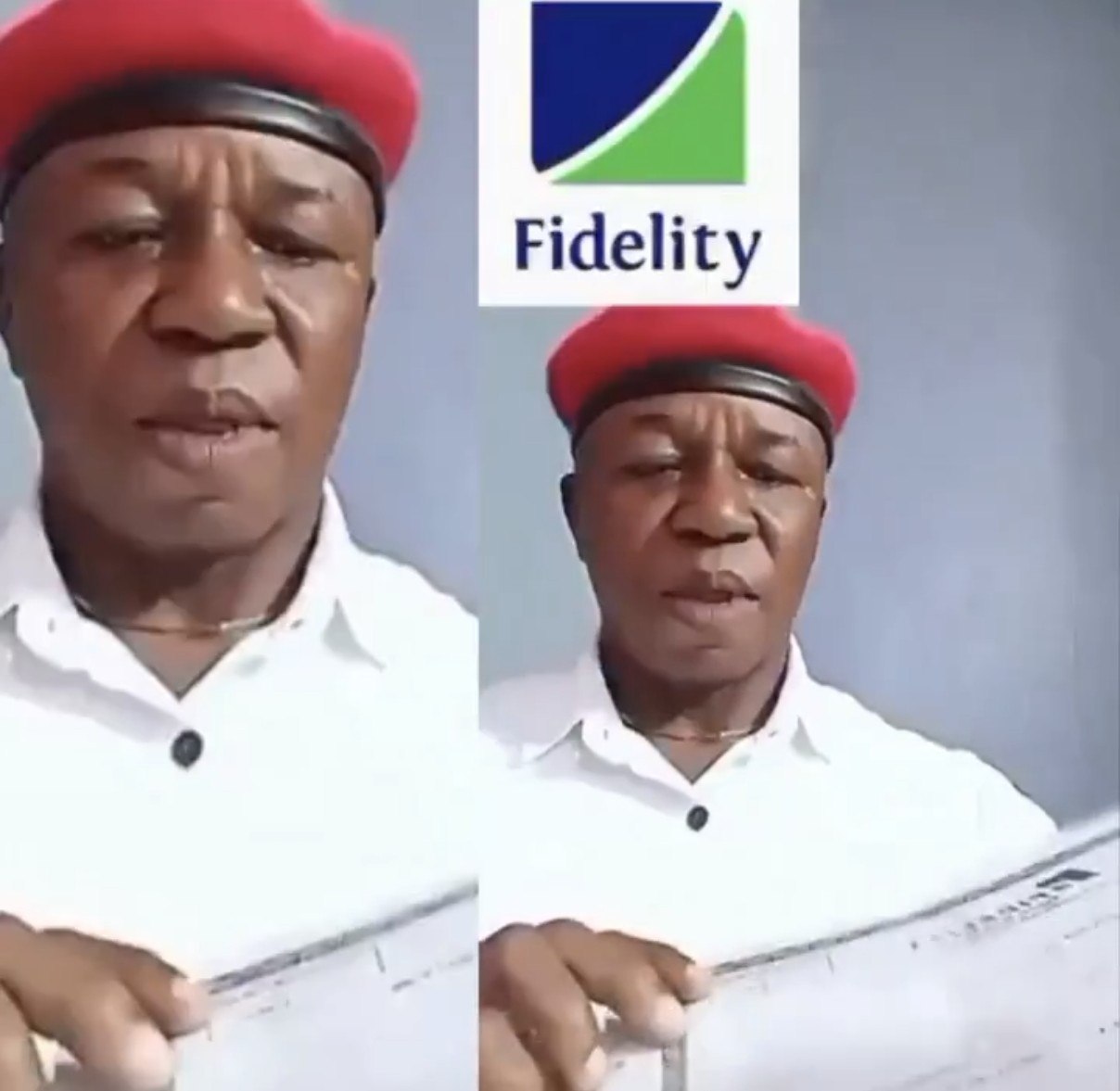
An old investment in Fidelity Bank shares has sparked widespread discussion online after a Nigerian man claimed that the ₦20,000 he invested in the bank nearly 18 years ago is now worth only about ₦5,332.
The man, whose story was shared on X by @steasyautos, was seen displaying documents relating to his Fidelity Bank shareholding while expressing disappointment over what he discovered after revisiting the investment.
According to the account, the man had not checked on the shares for several years and only remembered the investment amid the growing public interest surrounding the Dangote Refinery share offering.
Curious about the current status of his long-forgotten investment, he reportedly checked the value and was shocked by the figure reflected in the documents. The discovery prompted him to question whether putting the same ₦20,000 into land at the time would have produced a more rewarding outcome.
The story quickly attracted attention across social media, with Nigerians weighing in on the experience and debating the importance of monitoring investments rather than simply leaving them untouched for years.
For many observers, the incident has also revived broader conversations about the Nigerian capital market, particularly the expectations investors have when buying bank shares and other equities for the long term.
However, the claimed ₦5,332 value has not been independently verified, meaning the figure should not be treated as a confirmed current valuation of the man’s investment.
The eventual value of an old shareholding can be affected by several factors beyond the original amount invested. These may include the price at which the shares were purchased, the number of shares acquired, dividends received or left unclaimed, bonus shares, rights issues, share restructuring, mergers, acquisitions and other corporate actions that may have occurred over the years.
Consequently, the amount originally invested does not by itself provide enough information to determine what the investment should be worth today.
Nevertheless, the man’s experience has opened a much wider conversation about the realities of long-term investing and the need for investors to keep track of their holdings, dividends and changes affecting companies in which they own shares.
It has also left Nigerians with a question that has resonated strongly online: if ₦20,000 had been invested in shares, land or another asset nearly two decades ago, what would that money be worth today?