
NEWS
Peter Obi Vows to Restore Petrol Subsidy in 2027, Says “I’ll Remove the Corruption and Retain the Subsidy“

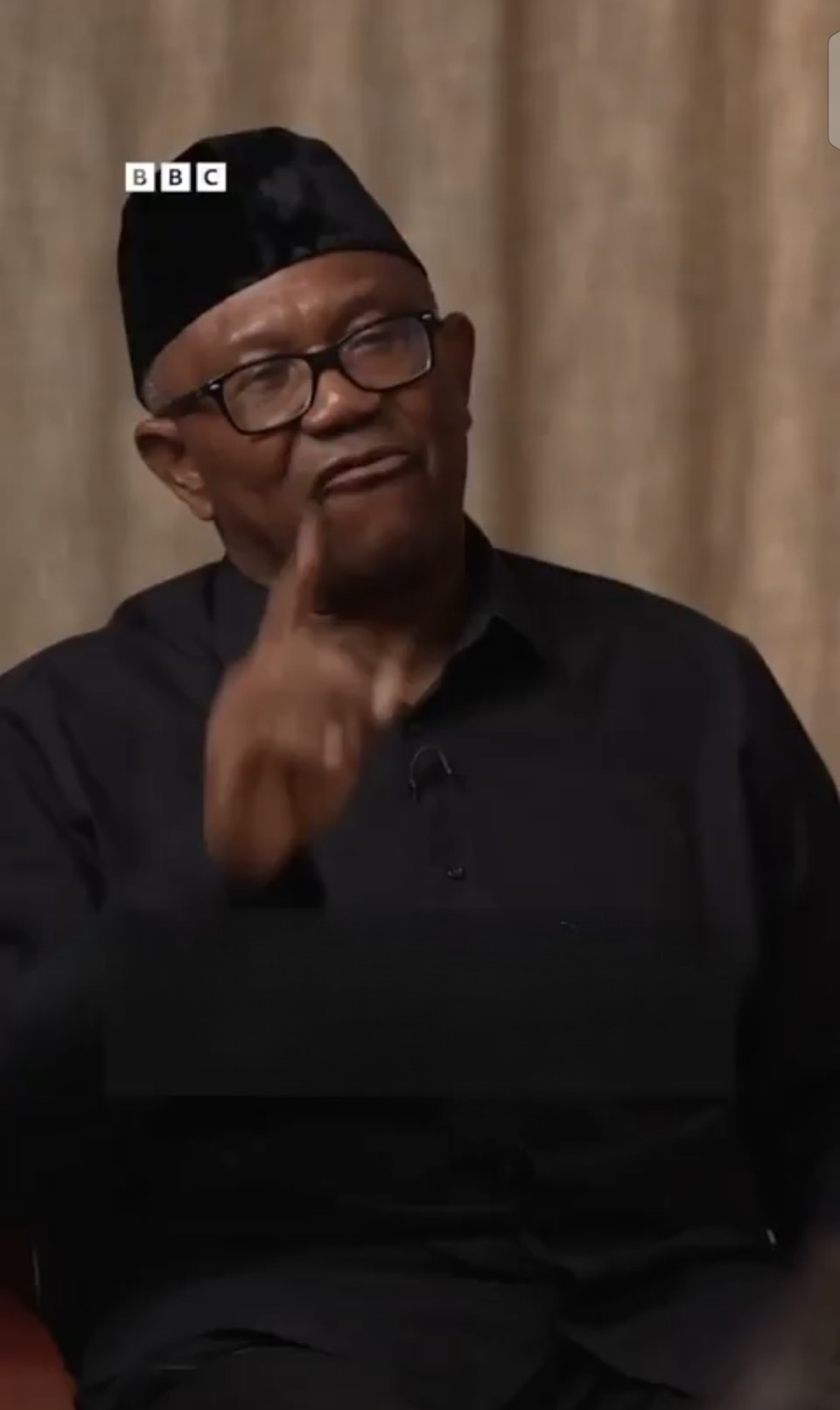
Former Anambra State Governor and presidential candidate of the Nigeria Democratic Congress (NDC), Peter Obi, has declared that he would restore petrol subsidy if elected president in 2027, but only after eliminating the corruption he believes has undermined the scheme.
Obi made the declaration during an interview with the BBC on Tuesday, October 6, 2026, while outlining his position on the controversial petrol subsidy regime and his broader plans to tackle corruption within government.
The former Anambra governor argued that subsidy itself was not necessarily the fundamental problem, insisting that corruption surrounding its implementation had been responsible for much of the controversy and inefficiency associated with the policy.
“From day one, I’ve talked about subsidy. I talked about corruption; corruption is the problem of subsidy.”
Asked directly whether he would return petrol subsidy if elected president, Obi answered in the affirmative, while stressing that his proposed approach would be different from the system previously operated.
“Yes. But remember, I have qualified it, not with the corruption that’s associated with it. I’ll remove the corruption and retain the subsidy.”
The declaration represents a significant clarification of Obi’s evolving position on one of Nigeria’s most contentious economic policies.
In August, the NDC presidential candidate had publicly defended the removal of petrol subsidy, arguing that the failure to properly manage the funds saved from the policy should not be used as an argument for reversing the decision.
Speaking at the 2026 Nigerian Bar Association Annual General Conference in Port Harcourt, Rivers State, Obi maintained at the time that subsidy should be removed, while insisting that the resources recovered from the policy ought to have been invested in sectors capable of improving the lives of Nigerians.
“I subscribe and maintain that you need to remove subsidy. Mismanagement of the proceeds shouldn’t be the reason for not removing it,” Obi said.
He further argued that money saved from subsidy removal should be channelled into critical areas such as healthcare and other productive sectors rather than being lost through poor management.
However, Obi subsequently began drawing a distinction between the removal of subsidy and the corruption he says has historically accompanied the scheme.
In September, during a town hall meeting for the Obi-Kwankwaso presidential ticket in Sokoto State, Obi had already indicated that an NDC administration would consider restoring subsidy after addressing corruption within the system.
“People are talking about subsidy but what is all about it is corruption. By removing the corruption, I assure you that we will bring back subsidy.”
His latest comments to the BBC have now provided a more detailed explanation of that position, with the former governor making it clear that his proposed restoration of subsidy would be conditional on removing the corrupt practices he associates with its administration.
Obi’s position also comes shortly after his running mate, former Kano State Governor Rabiu Kwankwaso, disclosed that the NDC would pursue its own approach to petrol subsidy if elected in 2027.
Kwankwaso made the disclosure in September during an interview with Arise TV, where he discussed the impact of the Tinubu administration’s petrol subsidy removal and the difficulty many Nigerians continue to face as a result of higher fuel and transportation costs.
Asked whether the NDC would encounter challenges campaigning in the North-West, where there is significant demand for affordable petrol, Kwankwaso said the party already had a plan.
“No, no, no. Look, we are bringing subsidy in our own way.”
The former Kano governor explained that the proposed approach would include greater investment in domestic refining, with the objective of increasing local petrol production and making the product available to Nigerians at a more affordable price.
Kwankwaso also suggested that government could establish additional refineries where necessary, arguing that stronger domestic refining capacity would reduce dependence on imported petroleum products and help ease pressure on pump prices.
He maintained that the ultimate objective would be to ensure that Nigerians could walk into filling stations and purchase petrol at a reasonable and affordable price.
The subsidy debate has remained one of the defining economic and political issues in Nigeria since May 29, 2023, when President Bola Tinubu announced the termination of the petrol subsidy shortly after taking the oath of office.
In his inaugural address at Eagle Square in Abuja, Tinubu declared: “The fuel subsidy is gone.”
The President argued that the 2023 budget made no provision for continued subsidy payments and maintained that the resources previously committed to subsidising petrol could instead be redirected towards infrastructure, education, healthcare and employment generation.
The announcement immediately triggered a major economic and political debate across the country.
Following the implementation of the policy, petrol prices increased significantly, while transportation costs and the prices of several goods and services also rose, placing additional pressure on households and businesses.
The Tinubu administration has consistently defended subsidy removal as a difficult but necessary economic reform aimed at reducing the financial burden on government and redirecting public resources towards development.
Opposition politicians, however, have continued to differ over whether the policy should remain in its current form, be modified or be reversed.
Against that backdrop, Obi’s latest position appears to focus less on whether subsidy should exist and more on how the system should be managed, with the NDC candidate insisting that corruption must first be eliminated.
The former Anambra governor also connected his anti-corruption agenda to the personal conduct of the president and members of the president’s family, arguing that leadership must begin with personal example.
“If you are not stealing, if you are not involved, your wife and family are not involved, you reduce it by 50 per cent,” the NDC candidate said.
Obi was also questioned about the record of former President Muhammadu Buhari, who came to power in 2015 on a strong anti-corruption platform.
Responding to suggestions that Buhari’s experience could raise questions about the effectiveness of another administration promising to fight corruption, Obi said Nigerians should not use Buhari’s record to judge his own proposed presidency.
“Nigerians should not decide with that,” Obi stated, adding, “He was not in charge. The difference is that I’ll be in charge.”
The statement formed part of a broader discussion about presidential responsibility and the extent to which a president should be held accountable for corruption involving government officials and people within the administration.
Beyond the subsidy debate, Obi also rejected the suggestion that he should withdraw from the 2027 presidential race if opposition parties eventually reach an agreement to field a consensus candidate.
Rather than stepping aside, the NDC presidential candidate said opposition politicians should focus on mobilising voters and taking what he described as the necessary steps to secure victory at the polls.
“We don’t need to step down. We need to do the right thing.”