
NEWS
President Trump Orders Sweeping U.S. Exit from 66 Global Bodies, Ends Funding for Organizations Deemed Hostile to American Interests

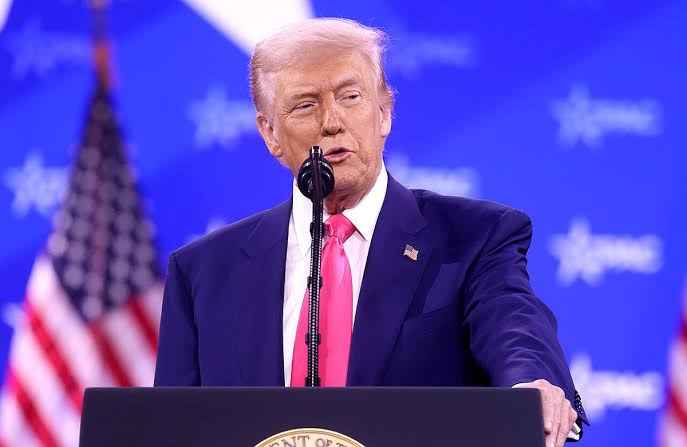
On Wednesday, January 7, 2026, President Donald J. Trump signed a far-reaching Presidential Memorandum directing the United States to withdraw from 66 international organizations, marking one of the most extensive pullbacks from multilateral institutions in modern U.S. history.
The directive instructs all Executive Departments and federal agencies to immediately cease participation in and funding for 35 non–United Nations organizations and 31 United Nations-affiliated entities.
According to the administration, these bodies are considered to be operating contrary to U.S. national interests, security priorities, economic prosperity, and national sovereignty.
The decision follows a comprehensive review ordered earlier in the year, which examined all international intergovernmental organizations, treaties, and conventions to which the United States is a member, a signatory, or a financial contributor. The review concluded that continued U.S. involvement in many of these entities no longer delivers tangible benefits to American citizens and, in some cases, actively undermines U.S. policy objectives.
By withdrawing, the administration says it is ending the use of American taxpayer funds on organizations that advance globalist agendas over domestic priorities or that address critical global issues inefficiently and ineffectively. Officials argue that U.S. resources are better allocated directly to programs that align with clearly defined national goals and deliver measurable outcomes.
The move is framed by the White House as a decisive step toward restoring American sovereignty. The administration maintains that many of the affected organizations promote radical climate policies, expansive global governance structures, and ideological programs that conflict with U.S. independence, economic competitiveness, and constitutional authority.
For years, American taxpayers have contributed billions of dollars to these international bodies, often with little to show in return, according to the administration. Officials contend that several of the organizations routinely criticize U.S. policies, advance values at odds with American principles, or fail to achieve meaningful results despite substantial funding.
By exiting these entities, President Trump says the United States will save significant taxpayer funds while refocusing national resources on America First priorities.
The latest action builds on a series of early decisions taken since President Trump’s return to office. Immediately after assuming office, he initiated the withdrawal of the United States from the World Health Organization and the Paris Climate Agreement. On his first day, he also signed a Presidential Memorandum informing the Organization for Economic Co-operation and Development that its Global Tax Deal has no force or effect in the United States, while ordering an investigation into foreign tax regimes deemed extraterritorial or disproportionately harmful to American companies.
Weeks later, President Trump signed an Executive Order withdrawing the U.S. from the United Nations Human Rights Council and permanently barring future funding for the United Nations Relief and Works Agency for the Near East.
The administration says these actions reflect a consistent strategy to ensure that U.S. participation in international affairs serves clear national interests. Resources saved from international withdrawals are being redirected toward domestic priorities, including infrastructure development, military readiness, border security, and protecting American businesses from foreign regulatory overreach.
With the latest memorandum, President Trump has signaled a renewed determination to redefine America’s role on the global stage, placing sovereignty, fiscal responsibility, and national interest at the center of U.S. foreign engagement.