
NEWS
Russia Drafts Sweeping Post-War Economic Reset With Washington, Signals Potential Return to Dollar System in Talks Linked to Ukraine Peace Framework

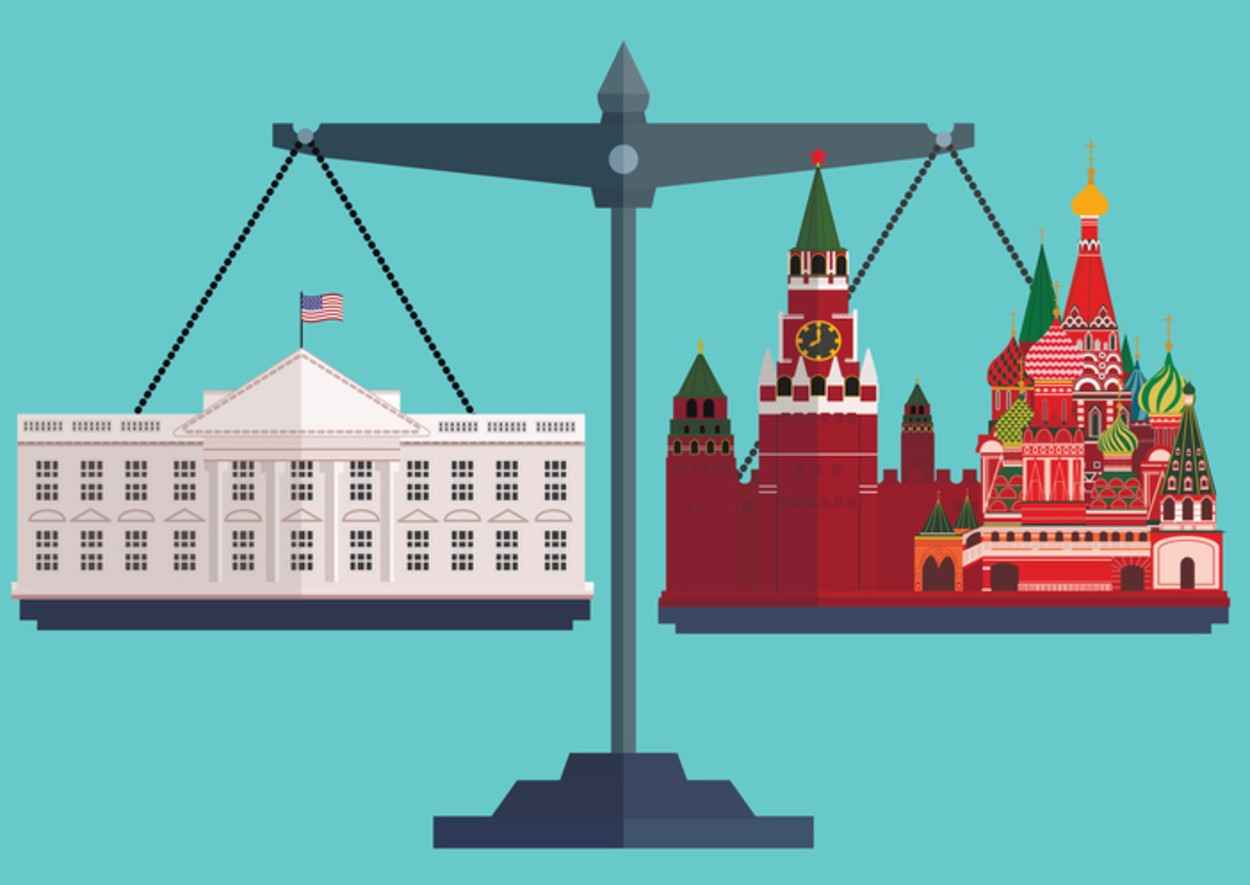
The Kremlin has outlined an ambitious set of proposals that could pave the way for Russia to re-embrace the US dollar as part of a far-reaching economic partnership with the administration of former US President Donald Trump, according to an internal Russian memorandum reviewed by Bloomberg.
The high-level document, prepared earlier this year and circulated among senior Russian officials, sketches out seven strategic areas where Moscow believes Russian and American economic interests could align in the aftermath of a potential deal to end the war in Ukraine. The proposals suggest a dramatic recalibration of Russia’s current economic posture and, if pursued, could mark one of the most significant geopolitical and financial shifts since the outbreak of the conflict.
At the core of the memo is a vision of renewed cooperation between Moscow and Washington across major sectors of the global economy. The document reportedly envisions joint efforts to promote fossil fuels over green energy alternatives, positioning oil, natural gas and critical raw materials as pillars of mutual prosperity.
The Kremlin’s blueprint proposes collaborative investments in natural gas infrastructure, offshore oil exploration and the extraction of critical minerals. It also signals potential windfalls for US companies through expanded access to Russian markets and energy projects. The tone of the memo indicates that Moscow sees energy dominance and resource security as areas of natural convergence between the two powers.
Most strikingly, the proposal centers on Russia’s possible return to the dollar settlement system. Such a move would represent a profound reversal of policy under President Vladimir Putin, whose government has spent years attempting to reduce reliance on the US-led financial architecture.
Since the imposition of sweeping Western sanctions following the invasion of Ukraine, Russia has accelerated efforts to conduct trade in alternative currencies and deepen financial ties with non-Western partners. A pivot back to dollar transactions would not only symbolize renewed economic engagement with Washington but could also trigger significant repercussions across global finance and currency markets.
The United States has already floated the idea of gradually lifting sanctions on Russia as part of a broader peace arrangement tied to Ukraine. That easing would be a prerequisite for Russia to resume large-scale dollar transactions. However, the Kremlin’s internal memo appears to contemplate steps that go well beyond incremental sanctions relief, envisioning a comprehensive reintegration into dollar-based trade.
Until now, reducing dependence on the dollar has been central to Moscow’s long-term economic strategy, particularly as it deepened its partnership with Beijing. Russia has increasingly leaned toward China as a financial and geopolitical counterweight to the West.
For that reason, Western government officials familiar with the memo’s contents reportedly view the proposals with skepticism. They argue that any agreement that reorients Russia toward the US-led system could run counter to Beijing’s interests, making it unlikely that President Putin would ultimately pursue such a path.
The delicate balance between Moscow’s strategic partnership with China and the prospect of renewed economic ties with Washington underscores the geopolitical complexity surrounding any potential post-war settlement.
It remains uncertain whether the Kremlin has formally presented the ideas outlined in the memo to US counterparts.
Kremlin spokesman Dmitry Peskov did not respond to a request for comment, and there is no public confirmation that negotiations have advanced to the stage of detailed economic bargaining.
What is clear, however, is that the document offers rare insight into internal Kremlin thinking at a pivotal moment. As diplomatic maneuvering continues around a possible peace framework for Ukraine, economic arrangements between Moscow and Washington are emerging as a central pillar of any lasting settlement.
If realized, the proposals could reshape not only Russia-US relations but also the architecture of global trade, energy markets and international finance.