
NEWS
U.S. Lawmakers Push for Sanctions on Nigerian Groups over Alleged Religious Freedom Violations

…as Congress Targets Miyetti Allah, Urges Washington to Classify Fulani Militias as Entities of Particular Concern
A new bill before the United States Congress has proposed targeted sanctions on individuals and groups accused of orchestrating severe violations of religious freedom in Nigeria, marking a fresh phase in Washington’s growing scrutiny of Nigeria’s human rights record.
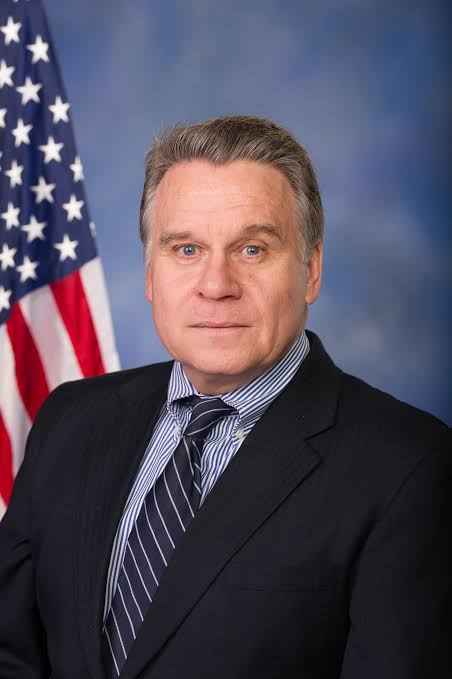
The bill, introduced on Tuesday by U.S. lawmaker Christopher Smith, specifically named the Miyetti Allah Cattle Breeders Association of Nigeria (MACBAN) and the Miyetti Allah Kautal Hore as culpable entities. It recommended visa restrictions and asset freezes on members of the groups allegedly linked to religiously motivated violence.
Smith, a member of the U.S. House of Representatives, commended former President Donald Trump for re-designating Nigeria as a Country of Particular Concern (CPC), a classification under U.S. law reserved for nations that engage in or tolerate “particularly severe violations” of religious freedom.
In the bill, Smith also urged the U.S. government to classify “Fulani-Ethnic Militias” operating in Benue and Plateau States as Entities of Particular Concern (EPC) under the International Religious Freedom Act (IRFA).
“EPCs refer to non-state actors that have been implicated in major violations of religious freedom.
“Other groups previously placed under this category include Boko Haram, ISIS-West Africa, ISIS-Sahel, the Houthis, and the Taliban,” he added.
The legislative push coincided with a separate statement from Senator Ted Cruz, who renewed calls for accountability against Nigerian officials accused of turning a blind eye to alleged persecution of Christians.
“I intend to be very explicit about who they are in the coming days and weeks,” Cruz warned.
Cruz had earlier, in October, introduced the Nigeria Religious Freedom Accountability Act of 2025, which proposed sanctions on federal and state officials who “promoted, enacted, or maintained Nigerian blasphemy laws” through policy, legislation, or executive directives.
Meanwhile, the Nigerian government has consistently dismissed such allegations as misguided and politically motivated, maintaining that religion is not the primary driver of the country’s complex security challenges.
Federal authorities argue that insecurity in Nigeria stems largely from criminality, banditry, and socioeconomic factors, not from deliberate state-backed religious persecution.
The proposed U.S. legislative actions, however, underscore the increasing international concern over Nigeria’s human rights landscape, a development likely to stir fresh diplomatic debate between Washington and Abuja in the months ahead.