
NEWS
PASTOR WALE ADEFARASIN QUESTIONS U.S. “SUDDEN LOVE” FOR NIGERIAN CHRISTIANS, WARNS AGAINST FALSE GENOCIDE NARRATIVE AS TRUMP THREATENS MILITARY ACTION

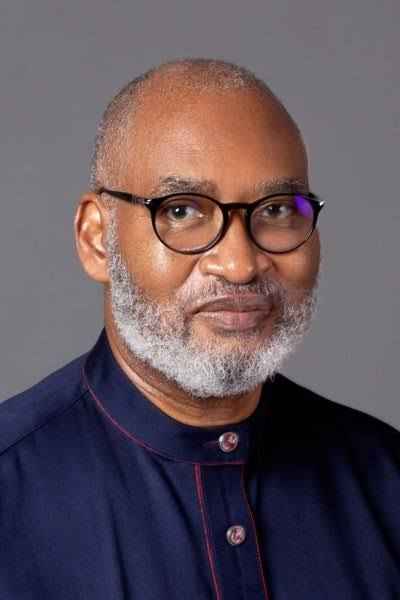
…says “The Killings Are Nothing New, Doesn’t Amount To Genocide”
The Senior Pastor of Guiding Light Assembly, Abuja, Pastor Wale Adefarasin, has criticized the United States for what he described as its sudden display of concern over the plight of Christians in Nigeria, following recent comments by U.S. President Donald Trump on alleged religious persecution in the country.
In a video that went viral on Monday, Adefarasin noted that attacks on Christians in parts of northern Nigeria were not a new development, and he cautioned against portraying these incidents as genocide.
He said, “For 40 years that I have been a Christian, there have been killings in southern Kaduna, killings on the plateau, there have been riots.”
The respected cleric recalled how global religious tensions had in the past spilled into Nigeria, citing a particular incident.
“Sometimes, I think it was in France, an image of Prophet Muhammad was defaced. Who remembers that? And as a result of that, there were killings of Christians in Nigeria,” he said.
According to him, the Western narrative that Christians in Nigeria are constantly under attack is exaggerated and misleading.
“And so, it’s nothing new. It doesn’t amount to genocide. The way the West are talking about it, it’s as if if a Christian steps on the street, his head will be blown off,” Adefarasin added.
The pastor further questioned the motives behind the United States’ growing interest in Nigeria’s internal affairs, hinting that economic and geopolitical factors might be driving Washington’s sudden concern.
“I’m trying to understand this sudden love for Christians. Is it because we now have one of the largest refineries in the world, and no longer have to ship raw materials abroad and bring the finished products? Or is it because of the 21st century minerals that we now have in our earth, that are used to generate nuclear power for electric vehicles? Are those the reasons that our friends are threatening to invade our country to defend and protect Nigerian Christians?” he queried.
Adefarasin’s remarks come amid mounting reactions from Nigerian leaders, clerics, and civil society groups following U.S. President Donald Trump’s threat of possible military intervention in Nigeria over the alleged killing of Christians.
Trump had recently declared Nigeria a “country of particular concern” over what he described as persecution of Christians. He also warned that Nigeria risked losing U.S. aid if it failed to address rising insecurity, even threatening to deploy America’s “Department of War” against terrorist groups allegedly targeting Christians.
Reacting to the development, Daniel Bwala, Special Adviser on Policy Communication to President Bola Tinubu, warned that any foreign military operation in Nigeria would be diplomatically offensive and unacceptable without the express consent of the Federal Government.
Speaking in an interview with the BBC World Service on Monday, Bwala emphasized that Nigeria remains a sovereign state and that any foreign involvement in its internal security affairs must be anchored on collaboration and mutual respect for the country’s territorial integrity.
He, however, clarified that Trump’s statements may have been largely misunderstood and expressed optimism that the issue would be properly addressed when President Tinubu meets with his U.S. counterpart in the coming days.
Despite his criticism, Bwala commended Trump for approving arms sales to Nigeria during his first term, describing the move as a “demonstration of goodwill and genuine support” for Nigeria’s counterterrorism efforts.
As the debate continues, Pastor Adefarasin’s bold intervention adds a new dimension to the discourse raising questions not only about foreign narratives surrounding Nigeria’s security situation but also about the true intentions behind renewed Western attention on Africa’s most populous nation.