
NEWS
EFCC: How Ex-Minister Saleh Mamman Allegedly Diverted ₦29bn Power Project Funds Into Property Investments

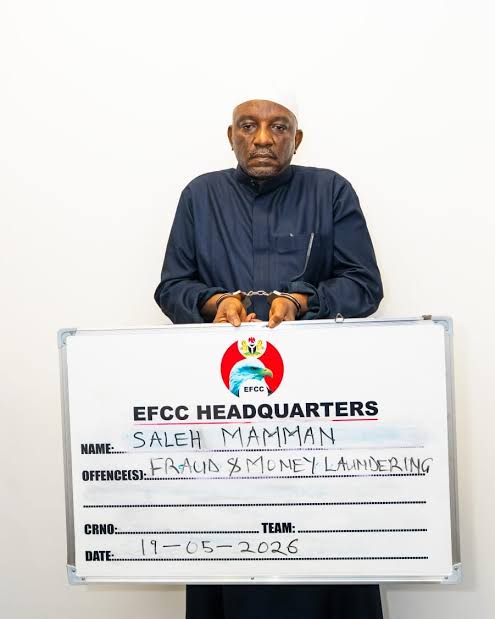
The Chairman of the Economic and Financial Crimes Commission (EFCC), Ola Olukoyede, has revealed how former Minister of Power, Saleh Mamman, allegedly diverted billions of naira earmarked for critical electricity projects into personal property investments, describing the case as a major example of the consequences of corruption and the mismanagement of public resources.
Olukoyede made the revelation while discussing Mamman’s prosecution in an interview shared by Arise Television, where he provided details of the financial investigation surrounding funds released for two major hydroelectric projects — the Zungeru and Mambilla power projects.
According to the EFCC chairman, the Federal Government had released a total of ₦32 billion to support the projects, which were designed to boost Nigeria’s electricity generation capacity, strengthen the national power supply and address the country’s longstanding energy challenges.
However, investigations by the anti-graft agency reportedly uncovered that approximately ₦29 billion out of the allocated funds was diverted from its intended purpose and allegedly channelled into the acquisition of properties in different locations.
The revelation has raised further concerns about the diversion of public funds meant for critical national infrastructure, particularly in a country where millions of citizens and businesses continue to grapple with inadequate electricity supply.
Olukoyede expressed disappointment over the alleged diversion, noting that resources meant to finance projects capable of improving the lives of Nigerians were instead allegedly converted into private investments.
He further indicated that Mamman appeared to have believed he would escape accountability despite the alleged financial misconduct. However, the former minister eventually faced prosecution over the matter and was convicted.
The EFCC chairman confirmed that Mamman was sentenced to 75 years in prison following his conviction, describing the outcome as evidence that public office does not provide immunity from accountability when public resources are mismanaged.
Mamman served as Nigeria’s Minister of Power under the administration of former President Muhammadu Buhari. His tenure was subsequently overshadowed by allegations of financial misconduct connected to funds allocated to the Zungeru hydroelectric power project.
The case has continued to attract attention because of the strategic importance of the Zungeru and Mambilla projects to Nigeria’s electricity sector. Both projects represent significant investments in the country’s energy infrastructure and are expected to contribute to improved power generation.
Olukoyede’s latest remarks also underscore the EFCC’s position on the need to strengthen accountability in public financial management and ensure that individuals entrusted with government resources are held responsible for their actions, irrespective of the positions they previously occupied.
The development serves as another reminder of the enormous consequences of corruption on national development, particularly when funds intended for essential infrastructure are allegedly diverted for personal enrichment.