
NEWS
“I Drove A Taxi In America To Finance My Education” – President Bola Tinubu Discloses, Recalls Struggles As Student, Highlights Education Reforms

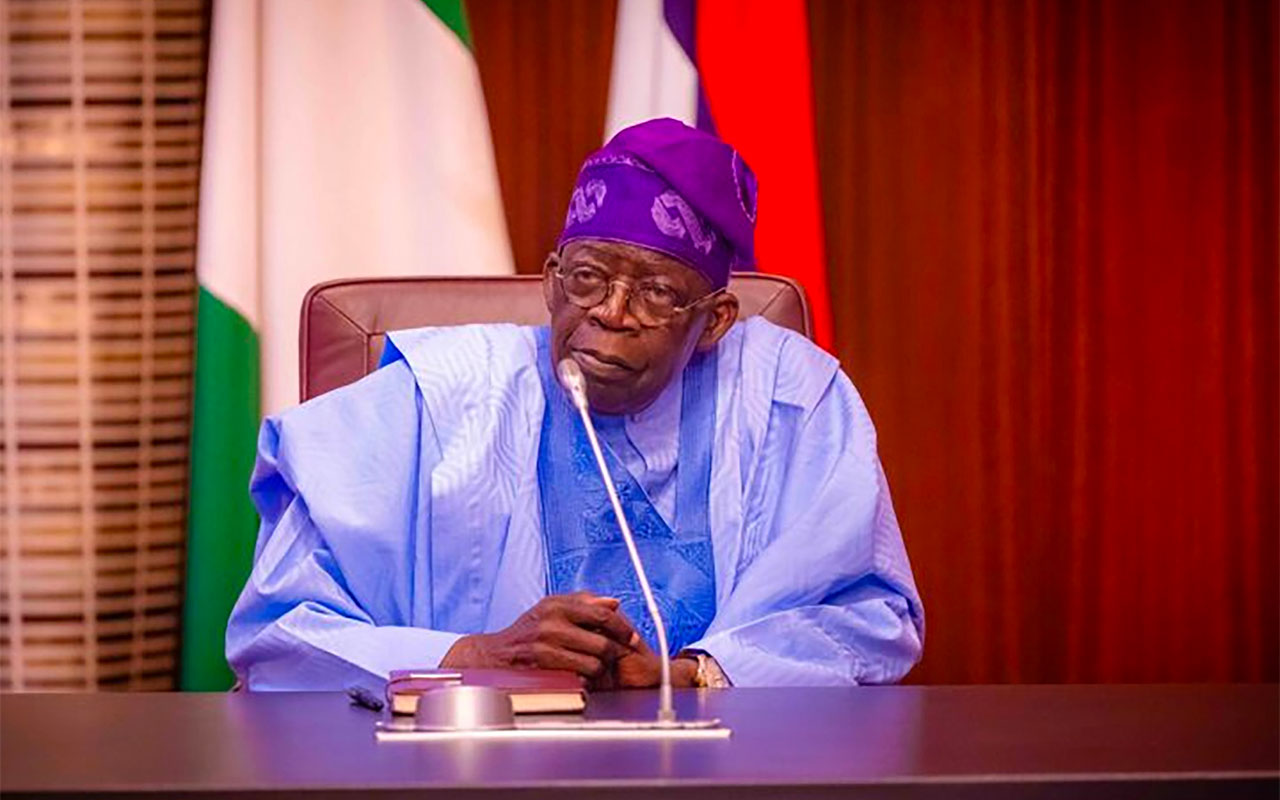
President Bola Ahmed Tinubu has recounted how he drove a taxi and undertook various menial jobs in the United States to finance his education, revealing the personal sacrifices he made as a young man before completing his university studies.
The President said his experience of struggling to raise money for tuition and other educational expenses had remained a major influence on his understanding of the challenges confronting Nigerian students and his administration’s commitment to expanding access to education.
“When I first arrived in the United States as a young man, I drove a taxi to earn money for my education. I even had to postpone starting school for several months to save enough,” the President said.
Tinubu, who disclosed that he took up different jobs after arriving in Chicago, explained that he had to work hard and save money to meet the financial demands of pursuing higher education.
He noted that his journey was not without difficulties, particularly the pressure of raising money for tuition, accommodation and everyday expenses while trying to achieve his academic ambitions.
“I know what it means to worry about tuition, accommodation and how to make ends meet while pursuing an education. Those experiences have stayed with me,” he added.
According to the President, the challenges he encountered as a student strengthened his conviction that access to quality education should not be determined by an individual’s economic background or the financial circumstances of their parents.
He maintained that every Nigerian child should have the opportunity to acquire an education and pursue their dreams, irrespective of where they come from or the resources available to their families.
“I know what education made possible in my own life, and I believe every Nigerian child deserves that same opportunity, regardless of where they are born or what their parents can afford,” he said.
Against this background, Tinubu highlighted several education-focused interventions introduced by his administration, particularly initiatives designed to reduce the financial burden on students, improve technical and vocational training, rehabilitate educational institutions and strengthen the country’s human capital development.
Among the programmes he cited was the Nigerian Education Loan Fund (NELFUND), through which his administration has disbursed more than ₦372 billion in student loans to support eligible students with institutional fees and upkeep allowances.
The student loan initiative is designed to provide financial assistance to students who might otherwise struggle to continue their education because of economic constraints, allowing them to pursue their academic goals with reduced immediate financial pressure.
The President also disclosed that the Federal Government’s technical and vocational education programme had recorded significant interest, attracting more than 2.8 million applications, while 38 technical colleges had been rehabilitated as part of efforts to strengthen practical skills acquisition and prepare young Nigerians for employment and entrepreneurship.
Tinubu further revealed that his administration was investing ₦110 billion in the rehabilitation of 24 medical schools across the country, an intervention aimed at improving medical training infrastructure and strengthening the capacity of institutions responsible for producing healthcare professionals.
He also pointed to the expansion of nursing education, disclosing that annual nursing enrolment had increased from 28,000 to 115,000, reflecting the government’s efforts to expand training opportunities in the health sector.
On basic education, the President said more than one million children who were previously out of school had returned to the classroom through government interventions aimed at improving school enrolment and reducing the number of children denied access to formal learning.
He added that his administration was pursuing reforms to improve teacher development, strengthen the quality of instruction and expand educational opportunities across different levels of the country’s education system.
The initiatives, according to the President, form part of a broader strategy to make education more accessible, improve the quality of learning and equip Nigerian youths with the knowledge and practical skills required to compete in an increasingly demanding global economy.
Tinubu maintained that education remains central to his administration’s development agenda, stressing that the opportunities available to a child should not be restricted by the financial standing of their parents or the circumstances surrounding their birth.
His recollection of driving a taxi and working multiple jobs in the United States has also provided a personal dimension to his argument for expanding educational access, as he drew a connection between the financial difficulties he experienced as a student and the challenges many Nigerian families face in funding their children’s education today.