
NEWS
Iran Destroys $300 Million U.S Radar System, Threatening Missile Defense Capabilities in the Gulf

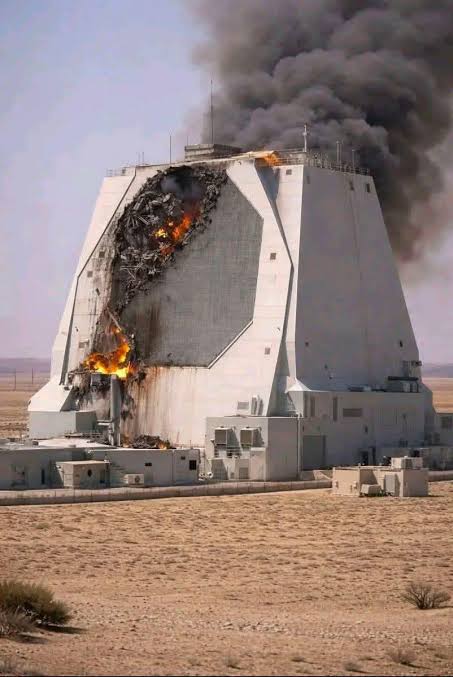
Iran has successfully destroyed a critical $300 million radar system used to direct US missile defense batteries in the Gulf, raising concerns over the region’s ability to counter future attacks, a US official confirmed.
The targeted system, an RTX Corp. AN/TPY-2 radar, is a central component of the US Terminal High Altitude Area Defense (THAAD) systems. The THAAD batteries themselves cost roughly $1 billion each, with the radar comprising approximately $300 million of that cost, according to the Center for Strategic and International Studies (CSIS).
“These are scarce strategic resources and its loss is a huge blow,” said Tom Karako, a missile defense expert with CSIS.
He further explained the significance of the loss, noting that “The Army’s current ‘eight-battery force is still below the force structure requirements of nine set back in 2012, so there aren’t exactly any spare TPY-2 lying around.”
Satellite imagery and commercial intelligence revealed that the radar, along with its support equipment, was destroyed at Muwaffaq Salti Air Base in Jordan in the opening days of the ongoing conflict, CNN reported. The destruction was later corroborated by a US official.
Data collected by the Foundation for Defense of Democracies indicate two reported Iranian strikes on Jordan, one on February 28 and another on March 3 both reportedly intercepted. Despite these defenses, the successful targeting of the radar system underscores the increasing vulnerability of US missile defense assets in the region.
The Gulf’s air and missile defense systems have faced repeated stress due to Iranian retaliatory attacks using drones and ballistic missiles. Analysts warn that the ongoing escalation could rapidly deplete stockpiles of advanced interceptors, including THAAD and PAC-3 missiles, creating a critical shortage and heightening regional security risks.
The destruction of the TPY-2 radar represents not only a material loss but a strategic setback, highlighting the fragility of existing missile defense networks amid heightened hostilitie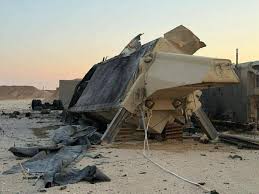 s in the Gulf.