
NEWS
BVAS Devices Were Procured With Android 10, Upgrading Them Could Require Hardware Changes — INEC ICT Director, Dr. Lawrence Bayode Says

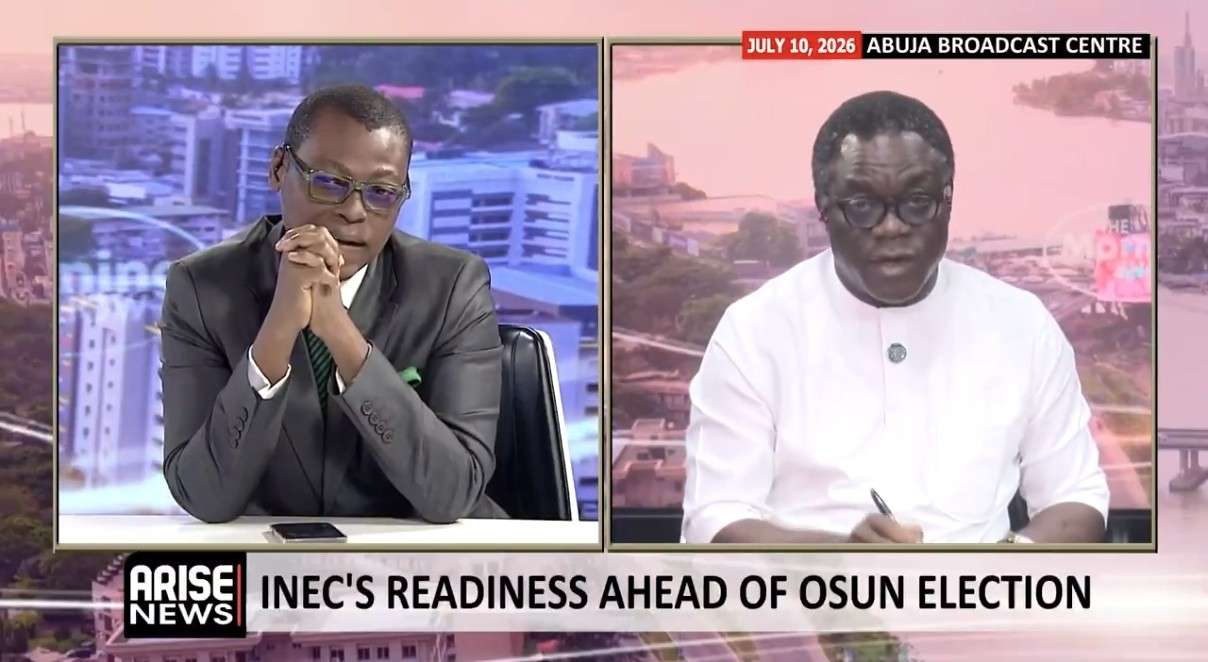
The Independent National Electoral Commission (INEC) has explained why its Bimodal Voter Accreditation System (BVAS) devices have not simply been upgraded to newer versions of the Android operating system, stressing that such a move could require significant hardware modifications and potentially affect the devices’ performance.
Dr. Lawrence Bayode, Director of Information and Communication Technology (ICT) at INEC, disclosed this while explaining the technical considerations surrounding the electoral commission’s BVAS infrastructure.
According to him, the BVAS devices were procured in 2021 with Android 10, with their specifications specifically designed to operate efficiently on that operating system.
Bayode explained that the devices have security features provided by Android 10, in addition to separate security mechanisms developed and deployed by INEC to protect the electoral technology and the information processed through it.
He noted that moving the BVAS devices to a higher Android version would not necessarily be a straightforward software upgrade, as the newer operating system could place additional demands on the devices’ hardware.
The INEC ICT director said such an upgrade could require changes to components including the Random Access Memory (RAM) and other hardware specifications to ensure that the devices remain capable of operating efficiently.
He further pointed out that simply installing a newer Android version without making corresponding hardware improvements could have the opposite of the intended effect, potentially slowing down the BVAS devices and affecting their overall efficiency during electoral operations.
The explanation comes amid growing public interest in the technology used by INEC to conduct voter accreditation and strengthen the credibility of Nigeria’s electoral process.
BVAS has become a central component of Nigeria’s elections, particularly because of its role in verifying voters biometrically and electronically, making the reliability, security and performance of the devices a significant issue in discussions about electoral transparency and reform.
Bayode’s explanation therefore highlights the technical challenges involved in maintaining and upgrading a nationwide electoral technology infrastructure, where changes to one component may require corresponding adjustments to other parts of the system.