
NEWS
Arise TV Cuts Off Wike’s Media Aide After Heated Exchange With Rufai Oseni

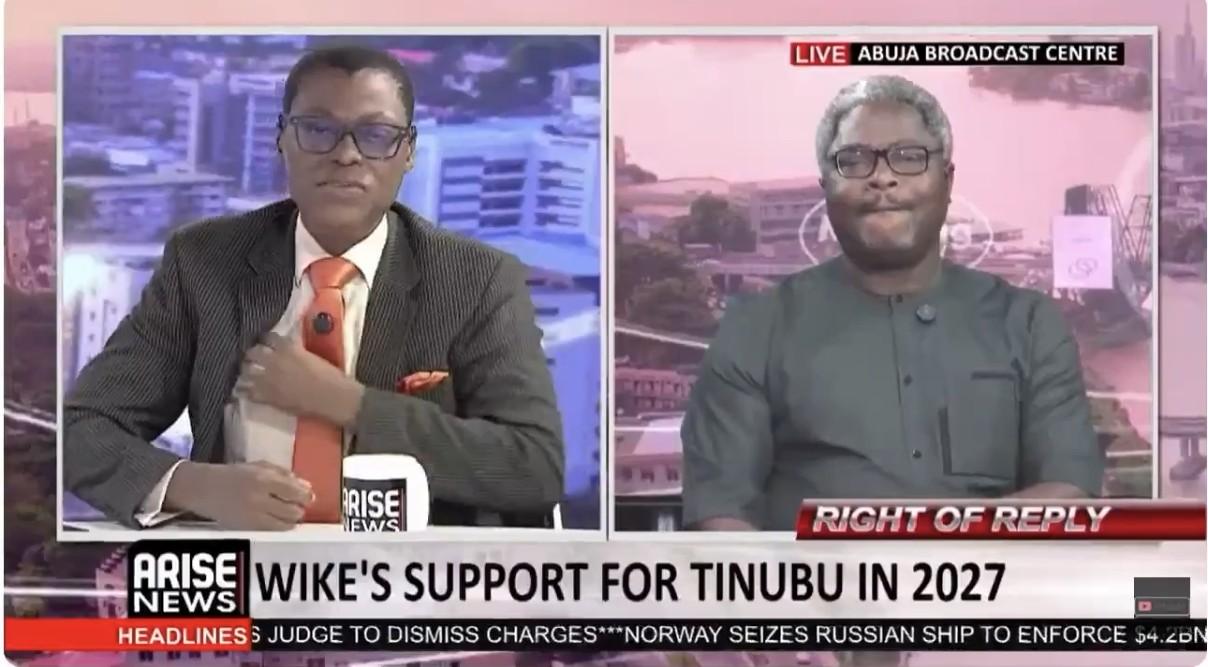
Arise Television on Friday, September 4, 2026, abruptly brought an interview with Lere Olayinka, Media Aide to the Minister of the Federal Capital Territory (FCT), Nyesom Wike, to an end following a tense exchange over a question posed by anchor Rufai Oseni.
The interview took an unexpected turn when Olayinka declined to respond to Oseni’s question, making it clear that he was unwilling to engage with the presenter directly.
Olayinka said he wanted the discussion to be limited to what he considered a reasonable conversation, referencing Oseni’s recent use of the Yoruba expression Gbewudani while discussing political figures.
The situation quickly escalated when another anchor, Mario Esse, intervened. Esse reminded Olayinka that The Morning Show has three anchors and explained that the interview could not proceed if he refused to respond to questions from Oseni.
The disagreement ultimately brought the interview to an abrupt end, creating a dramatic moment on the live morning programme.
The development comes just a day after veteran journalist and former presidential spokesperson Reuben Abati cautioned Oseni over some of his comments made during live broadcasts.
During Thursday’s edition of The Morning Show, Abati warned that statements made on air could expose both the presenter and the television station to potentially costly legal action.
His warning followed Oseni’s comments concerning All Progressives Congress (APC) 2027 governorship candidate in Oyo State, Senator Sarafadeen Alli, and Peoples Democratic Party (PDP) presidential candidate Sandy Onor.
Oseni had referred to Onor as a placeholder, using the Yoruba term Gbewudani in the process.
Abati subsequently raised concerns about the description, suggesting that it could be considered defamatory and potentially expose Oseni and Arise TV to legal consequences.
Friday’s dramatic interview has now brought the controversy back into the spotlight, with the clash between Olayinka and Oseni adding another layer to the ongoing debate over the boundaries of political commentary and language used on live television.