
NEWS
“They Have Not Discredited the Process Like Many of Our People Do Here” – President Tinubu’s Aide, Tope Ajayi, Defends U.S Electoral Process Despite Technical Glitches, Takes Swipe at Nigerian Critics

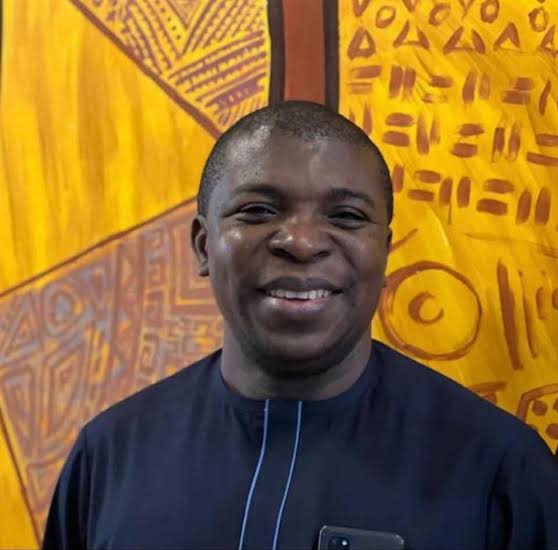
Senior Special Assistant to President Bola Tinubu on Media and Publicity, Tope Ajayi, has drawn attention to technical glitches and logistical challenges that reportedly affected the United States midterm elections, questioning why similar electoral difficulties often attract stronger condemnation in Nigeria.
Ajayi made the remarks in a post on his X account on Wednesday, where he compared reactions to electoral challenges in the United States with the criticism that frequently follows elections in Nigeria.
The presidential aide observed that despite reports of technical malfunctions, ballot shortages and other logistical difficulties during the American elections, political commentators, analysts and party operatives in the country had largely continued to engage with the electoral process without completely discrediting its credibility.
According to him, the difference between how electoral challenges are discussed in the United States and Nigeria raises questions about the manner in which Nigerians assess and respond to imperfections in their own electoral system.
“I have watched pundits and political operatives and partisan talking heads on various US television networks. Despite some of the technical glitches and logistical problems with the mid-term election they have not discredited the process like many of our people do here,” he wrote.
To support his argument, Ajayi highlighted several reported incidents that disrupted voting activities in different parts of the United States.
Among the challenges he referenced were ballot scanner programming glitches in some locations in New York, equipment malfunctions in Broward County, Florida, and ballot shortages at a polling station in Kansas.
He explained that the equipment malfunction in Broward County reportedly delayed the voting process, while a polling station in Kansas was said to have received only 100 paper ballots instead of the expected 100,000, raising concerns about the logistical arrangements for the exercise.
Ajayi also pointed to another reported technical problem involving 250,000 ballots that would have to undergo manual counting because of difficulties with voting machines.
“There was also the case of 250,000 ballots that will be counted manually as a result technical problem with the voting machine,” Ajayi added.
His comments appear aimed at challenging what he considers a tendency among some Nigerians to dismiss the credibility of elections whenever technical or administrative difficulties arise, rather than distinguishing between operational shortcomings and the overall legitimacy of an electoral process.
The intervention comes against the backdrop of continued disagreements over Nigeria’s 2023 presidential election, which generated considerable controversy following allegations of irregularities, logistical failures and problems associated with the electronic transmission of results.
Opposition political parties, civil society organisations and some election observers raised concerns about the conduct of the polls, particularly the failure of the Independent National Electoral Commission (INEC) to upload presidential election results to its Result Viewing Portal (IReV) in real time, as many voters had anticipated.
The controversies surrounding the election subsequently triggered legal battles, public debates and renewed demands for electoral reforms.
By drawing comparisons with the American experience, Ajayi is highlighting the argument that technical and logistical challenges are not necessarily exclusive to Nigeria and can occur even in established democracies.
However, the comparison also raises a broader question about the standards by which electoral institutions should be assessed, particularly the importance of transparency, accountability, effective communication and public confidence when problems arise during elections.
Ultimately, while electoral imperfections may occur in different democracies, the credibility of an election depends significantly on how transparently such challenges are addressed and whether electoral authorities can demonstrate that the will of the voters has been protected.