
NEWS
ABA MAKES HISTORY: “60 DAYS OF UNBROKEN POWER END GENERATORS FOR MANUFACTURERS” — Aba Power MD, Ugo Opiegbe Says, Declares New Industrial Era

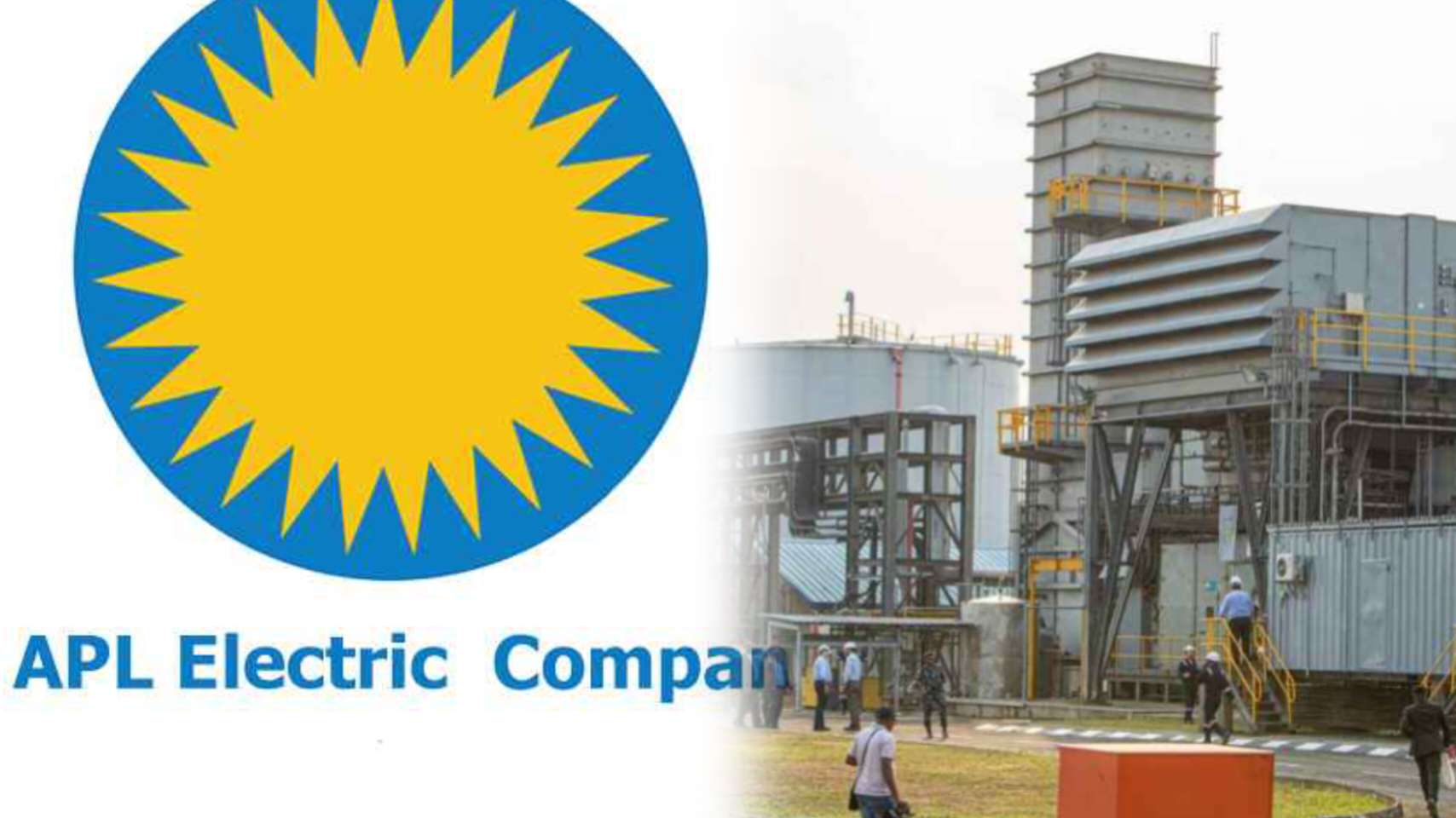
Aba’s decades-long struggle with unreliable electricity, a major obstacle for manufacturers and businesses in the commercial hub may finally be drawing to a close. This is the new reality outlined by Ugo Opiegbe, Managing Director of Aba Power Electric Ltd, Nigeria’s 12th electricity distribution company (DisCo), who revealed that the dependence on costly, polluting self-generated electricity is becoming a thing of the past.
In an extensive interaction with journalists, Opiegbe stated that the long-dominant era of “captive plants,” privately installed power units used by industries to guarantee electricity, has effectively faded out in Aba’s industrial ecosystem. He attributed this transformation to Aba Power’s strengthened electricity supply network, which now delivers stable, high-quality power across nine of Abia State’s 17 local government areas.
According to the MD, the company has achieved a milestone that was once unimaginable in the power-deprived city.
“Two weeks ago, we marked the 60th consecutive day of uninterrupted power supply in the Aba Ring-fenced Area. This was made possible by steady natural gas supply from our partner, Heirs Energies, which operates the Nigerian National Petroleum Company Limited (NNPCL)/Heirs Energies joint venture,” Opiegbe announced.
He acknowledged that there was a minor interruption caused by a technical fault at a gas facility, but said it was resolved swiftly.
“This demonstrates that Nigerian firms, like Heirs Energies, are increasingly able to compete with international oil companies, which is a win for both businesses and the Nigerian populace,” he added.
For manufacturers in Aba and surrounding industrial corridors, this development marks the beginning of a new economic era. Many companies, including prominent European multinationals like PZ Cussons had depended heavily on diesel-powered generators, compressed natural gas, and the costly maintenance associated with running private power plants, significantly inflating their operational expenses for decades.
Opiegbe noted that the shift to Aba Power’s stable grid supply has now reversed these cost burdens.
“European manufacturing companies that source electricity from our network have recorded a substantial reduction in operational costs because they practically no longer rely on self-generation,” he said.
He further explained that some companies’ earlier intention to build captive plants was rooted in past experiences of unreliable public power, decisions made before the commissioning of the 188-megawatt Geometric Power gas-fired plant in Osisioma Industrial Layout, the project that has altered Aba’s power narrative.
Beyond the financial benefits, the transformation has positively reshaped Aba’s environmental landscape. Once characterized by dense emissions and deafening noise from thousands of generators buzzing across homes, markets, industries, hospitals, laboratories, and schools, the city is beginning to experience cleaner air and quieter streets.
Opiegbe explained this shift, noting that “Environmental pollution in Aba was significant. Thousands of generators contributed to noise pollution and emissions that depleted the ozone layer. With constant and quality electricity from Aba Power, those generators have largely gone silent.”
He added that it would be contradictory for multinational companies, especially those from Europe, to continue environmentally harmful practices in Nigeria.
“Many European nations, including Holland and Germany, are global leaders in environmental protection. It would be ironic for European manufacturers in Nigeria to contribute to pollution that they campaign against at home,” Opiegbe remarked.
If you want it shorter, sharper, or tailored for broadcast or social media, I can refine it further.