
NEWS
ABA NORTH TRAFFIC INCIDENT: HOW CHAIRMAN, HON. TIMOTHY KALU IHEKE’S SWIFT INTERVENTION AVERTED DISASTER AND THE LEGAL QUESTIONS RAISED BY POLICE CONDUCT AT THE SCENE





 By @TheKELVINATOR, The Eyes Opener News | April 7, 2026
A potentially devastating road accident in Aba North Local Government Area on Tuesday, April 7, 2026, was brought under control through the prompt intervention of the Executive Chairman, Hon. Timothy Kalu Iheke, whose decisive actions ensured that no lives were lost despite the gravity of the situation.
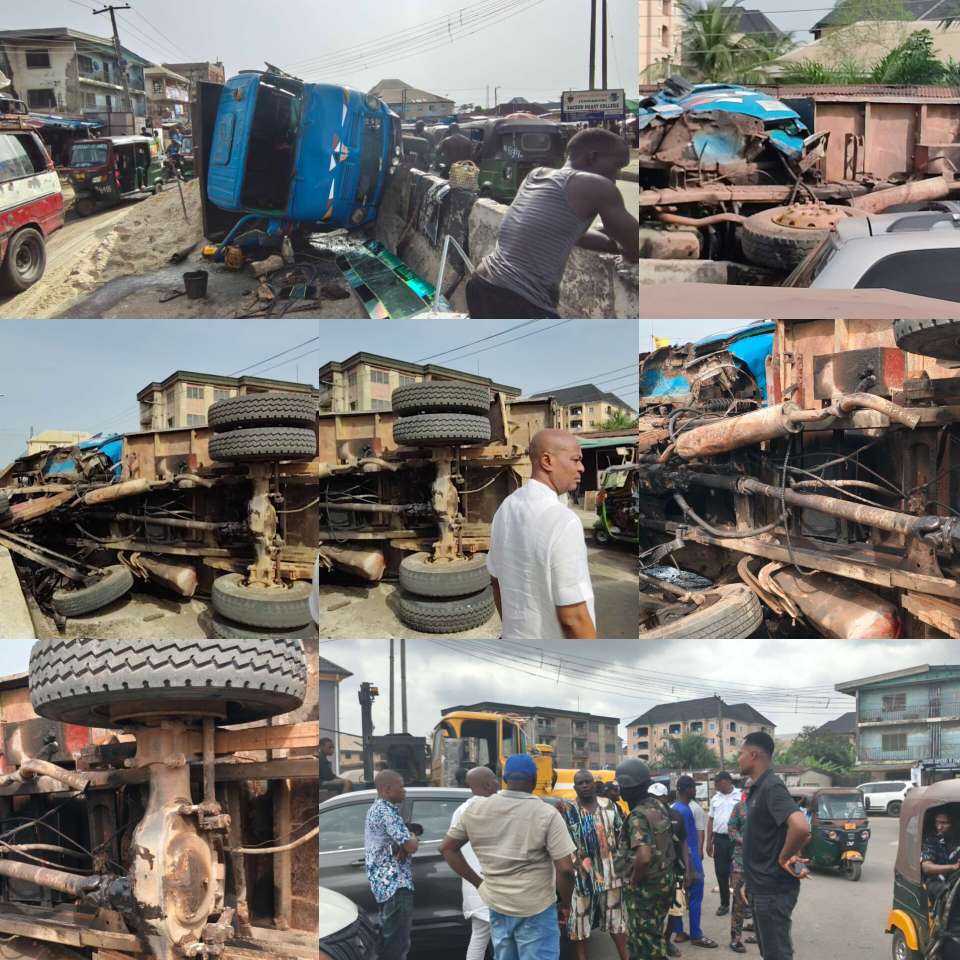
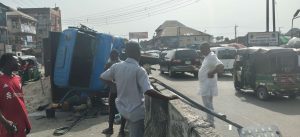
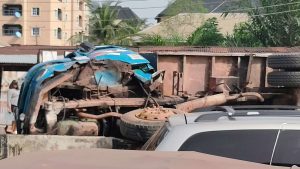
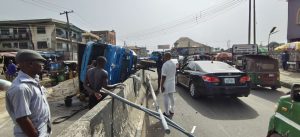
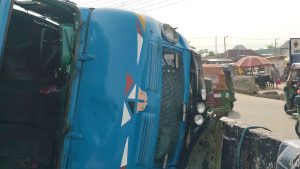
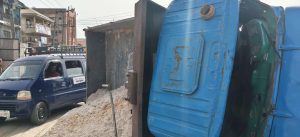
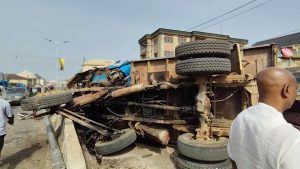
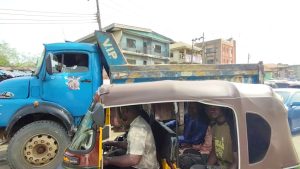
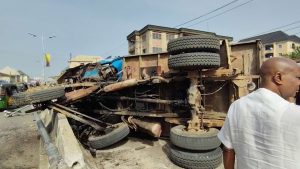
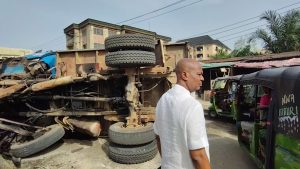
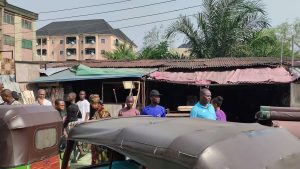
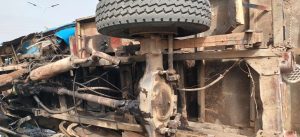
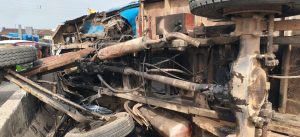
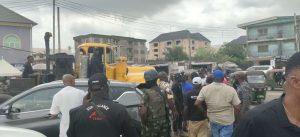
The incident, which occurred at about 8:46am along the busy Osusu-by-Faulks Road axis, involved a Mercedes-Benz 911 truck conveying sand. Eyewitness accounts indicate that the truck, en route from Osusu Road towards Faulks Road, suddenly lost control due to a steering malfunction. In what could be described as a moment of critical judgment, the driver avoided ramming into pedestrians or nearby structures, instead directing the vehicle onto the road demarcator where it eventually came to a halt.
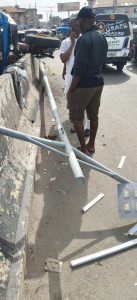
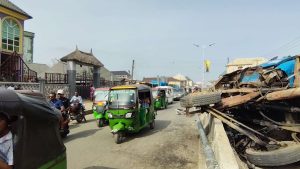
While the maneuver prevented casualties, the truck caused damage to public infrastructure, including government-installed solar street lights, and blocked a major traffic artery, leading to severe congestion in the area.
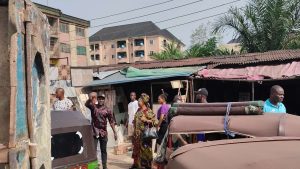
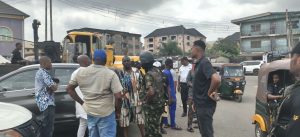
Arriving at the scene by 8:59am, Hon. Iheke immediately took charge of the situation. He coordinated traffic control efforts, introduced an alternative traffic flow to ease congestion, and ensured public safety while preventing panic among commuters and residents. Demonstrating inter-agency coordination, he promptly called in operatives of the Civil Defence Corps, the Federal Road Safety Corps, and the Abia State Harmonized Task Force to support recovery and traffic management efforts.
Also present at the scene were key stakeholders and local government officials, including the Leader of the Aba North Legislative Council, Rt. Hon. Nnamdi Sunday; the Councillor representing Osusu 1 Ward 3, Hon. Stella Unadike; and the Labour Party Chairman for Osusu 1 Ward 3, alongside other party leaders and community figures who contributed to efforts aimed at maintaining order and ensuring public safety.
Due to another pressing engagement at the Uratta Timber Market within the same local government, the Chairman responsibly handed over the situation to the relevant agencies after stabilizing the environment.
However, developments later in the day introduced a layer of controversy that has since raised concerns about adherence to due process and respect for constituted authority under Nigerian law.
Reports indicate that officers from the Eziama Police Division and the Area Command arrived at the scene and attempted to take control of the situation, including the removal of the accident vehicle. This action was reportedly carried out contrary to the earlier directive of the Local Government Chairman, who had instructed that the vehicle be moved to the council headquarters for proper assessment of damages to government property.
It was further alleged that during this process, a senior police officer verbally accosted the Chairman and issued orders that shot at the vehicle’s tired and escalated tensions at the scene. The situation was only de-escalated due to the Chairman’s restraint and decision to withdraw in order to avoid further confrontation.
Under the framework of Nigerian law, the responsibilities of maintaining public order and managing accident scenes fall within overlapping jurisdictions. The Nigeria Police Force, established under Section 214 of the Constitution of the Federal Republic of Nigeria (1999, as amended), is primarily responsible for the prevention and detection of crime, as well as the maintenance of law and order.
However, Local Government Authorities, as recognized under Section 7 of the Constitution, are vested with administrative control over local affairs, including traffic regulation, environmental management, and protection of public infrastructure within their jurisdictions. The Fourth Schedule further empowers local governments to participate in the control and regulation of traffic and public conveniences.
In this context, while the police retain overarching authority in matters of law enforcement, established administrative protocols and inter-agency cooperation require that due regard be given to the role of the Local Government Chairman, especially in incidents involving local infrastructure and traffic management.
The alleged attempt by police officers to override the Chairman’s directive without consultation raises questions about procedural compliance, inter-agency respect, and the principle of cooperative governance as envisaged under Nigerian law.
Additionally, any form of verbal misconduct or threat of force against an elected public official, if substantiated, would fall short of the professional standards expected of law enforcement personnel.
The eventual intervention of operatives of the Abia State Special Task Force, Operation Crush, helped to stabilize the situation and prevent a breakdown of law and order.
Finally, while the incident highlights the effectiveness of grassroots leadership in emergency response, it also underscores the urgent need for clearer operational synergy among security agencies and local authorities. Respect for institutional roles, adherence to due process, and professionalism remain essential to maintaining public trust and ensuring that emergency situations are managed in the best interest of the people.