
NEWS
Africa’s Demographic Powerhouses: Nigeria Leads as Continent’s Population Hits 1.55 Billion — Full Ranking of 54 Countries by Size

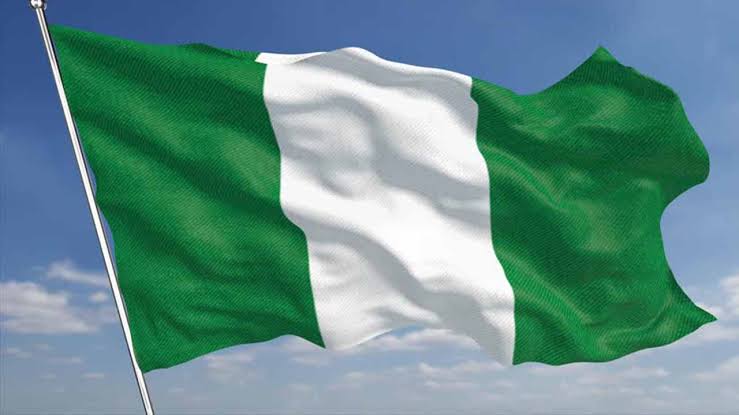
Africa’s population surge continues to shape global conversations on development, economic growth, urban expansion, and youth empowerment, as fresh estimates from Worldometer, based on the UN World Population Prospects, put the continent’s total population at approximately 1.55 billion by mid-2025.
From the bustling megacities of West Africa to the rapidly expanding urban corridors of East and Central Africa, demographic momentum remains one of the continent’s defining features. At the forefront stands Nigeria, maintaining its position as Africa’s most populous nation with an estimated 238 million people.
THE TOP 10 MOST POPULOUS COUNTRIES IN AFRICA:
Africa’s population is heavily concentrated in a handful of countries, with the top four each exceeding 100 million citizens.
1. Nigeria – 238,000,000 (238M)
2. Ethiopia – 136,000,000 (136M)
3. Egypt – 119,000,000 (119M)
4. Democratic Republic of the Congo – 114,000,000 (114M)
5. Tanzania – 71,500,000 (71.5M)
6. South Africa – 65,000,000 (65M)
7. Kenya – 58,000,000 (58M)
8. Sudan – 51,500,000 (51.5M)
9. Uganda – 51,000,000 (51M)
10. Algeria – 47,200,000 (47.2M)
Together, these ten nations account for a substantial share of Africa’s total population, underscoring their strategic importance in continental policymaking, trade, security, and youth development.
COUNTRIES RANKED 11TH TO 30TH:
The next tier of populous nations reflects Africa’s geographic diversity, spanning Southern, Western, Central, and North Africa:
11. Angola – 38,500,000
12. Morocco – 38,200,000
13. Mozambique – 36,000,000
14. Ghana – 35,500,000
15. Madagascar – 32,500,000
16. Cameroon – 29,500,000
17. Côte d’Ivoire – 29,500,000
18. Niger – 28,500,000
19. Burkina Faso – 25,000,000
20. Mali – 24,700,000
21. Malawi – 22,300,000
22. Zambia – 22,000,000
23. Chad – 20,000,000
24. Senegal – 18,800,000
25. Zimbabwe – 17,000,000
26. Somalia – 16,000,000
27. Benin – 14,800,000
28. Rwanda – 14,600,000
29. Burundi – 14,400,000
30. Guinea – 14,300,000
COUNTRIES RANKED 31ST TO 54TH
While smaller in size, these nations play significant cultural, political, and economic roles within their respective regions:
31. Tunisia – 12,300,000
32. South Sudan – 11,600,000
33. Togo – 9,600,000
34. Sierra Leone – 8,700,000
35. Libya – 7,100,000
36. Republic of the Congo – 6,200,000
37. Central African Republic – 5,700,000
38. Liberia – 5,600,000
39. Mauritania – 4,900,000
40. Eritrea – 3,600,000
41. Namibia – 2,700,000
42. Gambia – 2,700,000
43. Botswana – 2,600,000
44. Gabon – 2,400,000
45. Lesotho – 2,300,000
46. Guinea-Bissau – 2,200,000
47. Equatorial Guinea – 1,960,000
48. Mauritius – 1,260,000
49. Eswatini – 1,200,000
50. Djibouti – 1,180,000
51. Comoros – 880,000
52. Cabo Verde – 600,000
53. São Tomé & Príncipe – 240,000
54. Seychelles – 130,000
With a median age significantly lower than most other continents, Africa’s population growth represents both a challenge and an unprecedented opportunity. Rapid urbanization, expanding digital connectivity, and a youthful workforce are reshaping economic prospects across the continent.
As policymakers grapple with infrastructure demands, job creation, healthcare expansion, and educational reforms, the numbers underscore one undeniable fact: Africa’s demographic story is central to the future of the global economy.
Figures are rounded and based on mid-2025 estimates from Worldometer, drawing on the UN World Population Prospects.