
NEWS
Blockade Falters as Iranian Tankers Evade U.S. Surveillance Amid Fragile Ceasefire

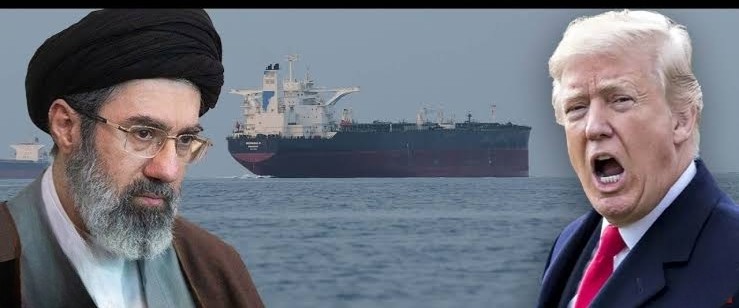
A U.S.-led naval blockade of the Strait of Hormuz is showing signs of strain, as dozens of Iranian vessels reportedly slipped past surveillance systems, raising fresh concerns over enforcement and global oil stability.
The blockade, backed by Donald Trump, was intended to pressure Iran into reopening critical shipping routes.
However, new data suggests the effort is faltering, with approximately 34 Iranian oil tankers navigating around U.S. naval monitoring. Of these, 19 vessels reportedly exited the Persian Gulf while 15 others entered from the Arabian Sea toward Iranian ports, according to Financial Times.
Among the tankers, at least six were said to be transporting smuggled crude oil totaling 10.7 million barrels, valued at roughly $910 million providing a significant financial boost to Tehran despite sanctions.
Tensions escalated further following Iran’s seizure of two cargo ships in the strait on Wednesday, after earlier attacks on those vessels and a third.
Iranian authorities claimed the ships had failed to comply with directives, reinforcing fears of growing instability in one of the world’s most critical oil corridors.
Despite announcing an extension of the ceasefire, President Trump has maintained the naval blockade, opting for sustained economic pressure rather than immediate military escalation. Behind the scenes, however, there are indications of hesitation within the administration.
According to The Wall Street Journal, the U.S. president is reluctant to resume a full-scale bombing campaign, with senior officials noting concerns over the political cost of prolonging the conflict. Public sentiment in the United States appears to be shifting, with rising fuel prices and war fatigue influencing opinion.
Market reactions have been swift. Reports of Iranian gunfire on commercial vessels triggered a spike in global oil prices, with Brent crude climbing to $99.21 per barrel. In the United States, gasoline prices have surged past $4 per gallon, adding economic pressure domestically.
The unfolding developments highlight the fragile nature of the ceasefire and the challenges facing U.S. efforts to contain Iran’s maritime activities, as both geopolitical tensions and economic consequences continue to mount.