
NEWS
Canada Grants Refugee Protection to 7,643 Nigerians in 30 Months, Rejects 3,080 Claims

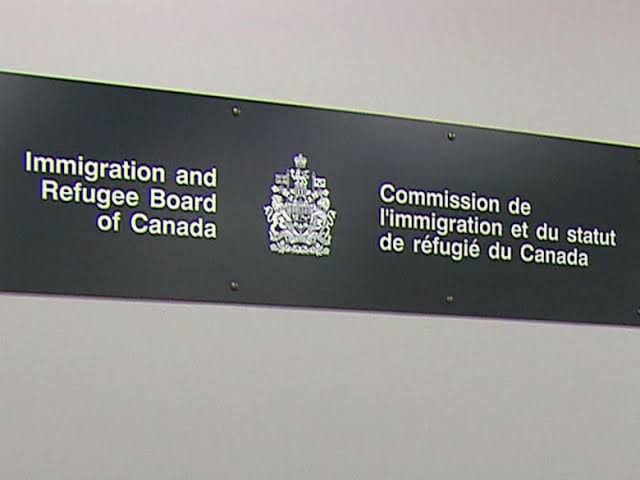
Canada has granted refugee protection to 7,643 Nigerians between January 2024 and June 2026, making Nigeria the African country with the highest number of successful asylum applications during the 30-month period.
However, Canadian authorities rejected 3,080 Nigerian asylum claims, while another 1,530 cases were withdrawn or abandoned, highlighting the contrasting outcomes faced by Nigerians seeking international protection.
Data from the Immigration and Refugee Board of Canada (IRB), as reported by The Punch, showed that Nigerian applicants accounted for approximately 6.4 per cent of all refugee protection grants recorded worldwide during the period.
The figures also placed Nigeria ahead of other African countries, including Uganda, Kenya, Ethiopia and Ghana, in the number of successful asylum applications.
The data showed that Canada granted refugee protection to 2,230 Nigerians in 2024. The figure increased by approximately 55 per cent in 2025, when 3,463 Nigerians secured approval.
In the first six months of 2026, another 1,950 Nigerians received refugee protection, bringing the cumulative total to 7,643.
The 2025 figures represented the highest annual number of successful Nigerian asylum applications within the period under review.
Uganda followed Nigeria with 3,943 successful claims across the 30 months, while Kenya recorded 3,888 approvals. Ethiopia had 2,982, while Ghana recorded 2,000.
Other African countries with substantial numbers of successful applications included the Democratic Republic of Congo, with 1,867 grants; Rwanda, with 1,699; and Cameroon, with 1,643.
Despite recording the highest number of successful asylum applications among African nationals, Nigeria also had the largest number of rejected claims among the African countries listed in the data.
Canadian authorities rejected 3,080 Nigerian applications between January 2024 and June 2026.
The Democratic Republic of Congo followed with 1,230 rejected claims, while Ghana recorded 885 and Kenya had 639. Senegal recorded 595 rejections, Angola had 442, while Chad and Cameroon each recorded 343.
A breakdown of the Nigerian figures showed that Canadian authorities concluded 3,249 cases in 2024, approving 2,230 applications and rejecting 811. The remaining cases were withdrawn, abandoned or otherwise accounted for in the concluded-case figures.
In 2025, the number of concluded Nigerian cases rose to 5,039. Of these, 3,463 applications, representing approximately 68.7 per cent, were approved, while 1,377 were rejected.
During the first half of 2026, Canada concluded 3,965 Nigerian cases, granting protection to 1,950 applicants and rejecting 892.
The figures demonstrate that although thousands of Nigerians have successfully obtained refugee protection, many others have been denied the status.
The IRB figures also revealed Nigeria’s growing contribution to Canada’s refugee protection decisions compared with applications from other countries.
In 2025, Canada concluded 79,462 refugee claims globally, granting protection to 50,067 applicants and rejecting 14,619. The 3,463 Nigerian approvals represented approximately 6.9 per cent of all refugee protection grants worldwide that year.
In the first six months of 2026, the board approved 22,109 out of 49,960 refugee claims concluded globally. Nigerian applicants accounted for 1,950 of those approvals, representing approximately 8.8 per cent of the worldwide total.
Across the full 30-month period, Canada concluded 202,878 refugee claims involving applicants of different nationalities. Of these, 118,656 were approved, while 34,546 were rejected.
Nigeria’s 7,643 successful applications accounted for approximately 6.4 per cent of all refugee protection grants worldwide.
African countries collectively received an estimated 35,000 grants, representing about 29.5 per cent of the global total. Nigeria’s 7,643 approvals accounted for roughly one in every five successful claims by African nationals.
The figures also point to mounting pressure on Canada’s refugee determination system, with thousands of applicants awaiting decisions on their claims.
As of December 31, 2024, the IRB had 19,889 Nigerian cases awaiting decisions, a backlog nearly six times the number of Nigerian cases concluded during that year.
The pressure continued into 2025, when Canada received 107,802 new refugee claim referrals to its Refugee Protection Division.
By December 31, 2025, a total of 299,614 refugee claims involving applicants from different nationalities remained pending, underscoring the scale of the workload facing Canadian immigration authorities.
The backlog means that many applicants must wait for their cases to be assessed and determined, although processing times can vary depending on individual circumstances and the stage of the application.
Canada’s refugee determination system is administered by the Immigration and Refugee Board, an independent federal body established under the country’s Immigration and Refugee Protection Act.
Its Refugee Protection Division is responsible for hearing and deciding eligible asylum claims made within Canada or at its ports of entry.
Under the 1951 United Nations Refugee Convention, applicants may qualify for refugee protection if they demonstrate a well-founded fear of persecution in their home country because of their race, religion, nationality, political opinion or membership of a particular social group.
Canada also provides protection for certain individuals who face a danger of torture, a risk to their lives or a risk of cruel and unusual treatment or punishment if returned to their country of origin.
Applicants are expected to provide evidence supporting their claims, which are assessed according to the applicable legal requirements and the circumstances of each case.
Individuals seeking protection may make a claim through the Canada Border Services Agency at a port of entry or, in eligible circumstances, through an immigration officer after entering the country.
Eligible applications are referred to the Refugee Protection Division for assessment and a decision.
Applicants whose claims are rejected may have access to the Refugee Appeal Division, depending on their eligibility. Further legal options may include seeking judicial review at the Federal Court or applying for a pre-removal risk assessment where the relevant requirements are met.
The latest figures underscore Nigeria’s prominent position among African countries whose citizens have secured refugee protection in Canada, while also highlighting the large number of unsuccessful applications and the c ontinuing pressure on the country’s asylum determination system.