
NEWS
Federal Government Moves to Scrap JSS-SSS Separation Policy Over Rising Out-of-School Crisis.

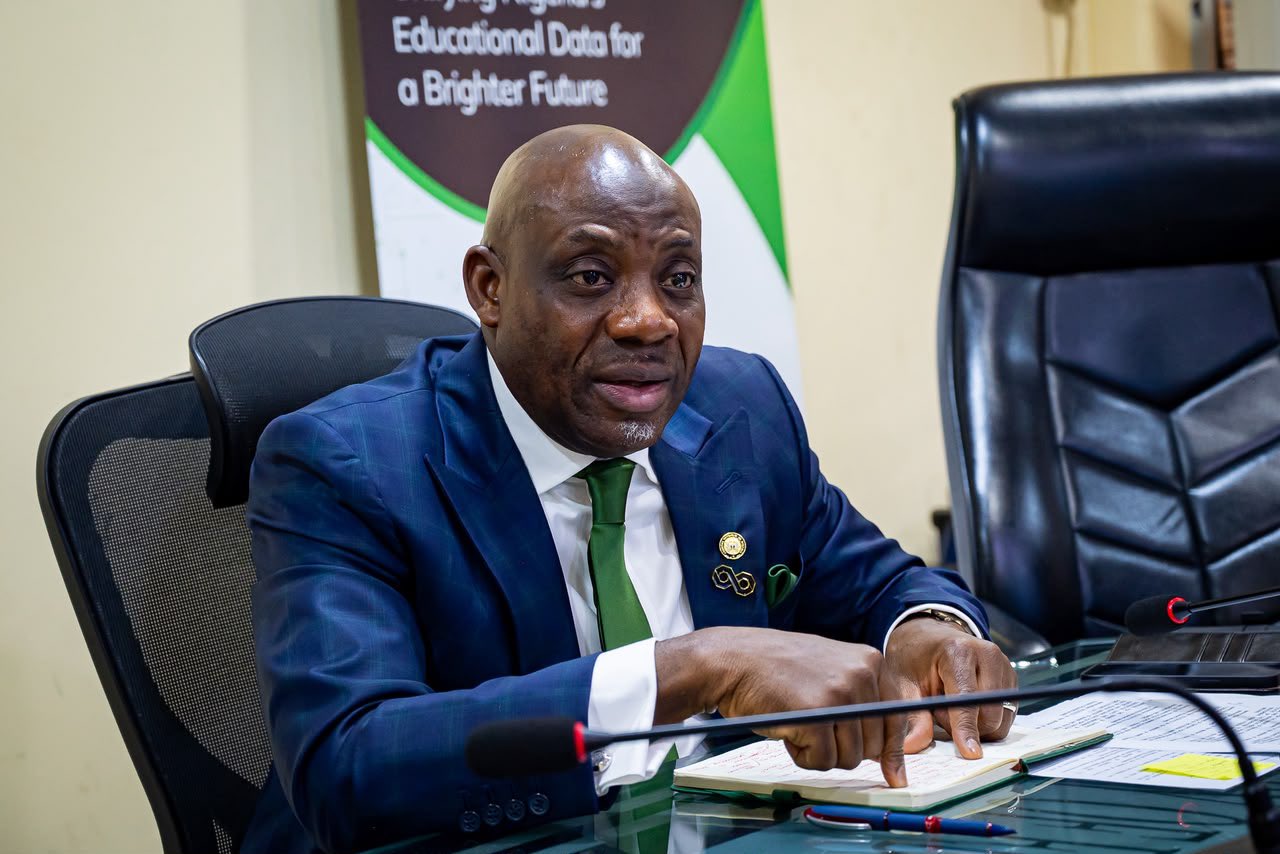
The Federal Government has announced plans to abolish the policy separating Junior Secondary Schools (JSS) from Senior Secondary Schools (SSS), declaring that the system has failed to improve access to education and has instead contributed significantly to the growing number of out-of-school children across the country.
The disclosure was made by the Minister of Education, Dr. Tunji Alausa, on Tuesday, June 30, 2026, in Abuja during the inauguration of the Universal Basic Education Commission (UBEC) Ministerial Implementation and Monitoring Committee.
Speaking at the event, the Minister expressed concern over the alarming number of pupils who are unable to continue their education after completing primary school, stressing that the existing structure has created serious bottlenecks in Nigeria’s education system.
According to him, government data revealed that more than 20 million pupils who successfully complete primary education are unable to transition into junior secondary school due to inadequate infrastructure and the continued implementation of the disarticulation policy, which separates Junior Secondary Schools from Senior Secondary Schools.
Dr. Alausa explained that the imbalance in educational infrastructure has worsened the situation, noting that while Nigeria has about 80,000 public primary schools, there are only about 15,000 junior secondary schools available to absorb graduating pupils.
“We have over 20 million pupils dropping out between primary school and JSS. We have 80,000 public primary schools but only about 15,000 junior secondary schools. Government has not done enough in this regard, but this administration is determined to fix the problem,” Alausa said, highlighting the magnitude of the challenge,
He further maintained that the separation of junior and senior secondary schools into different administrative units has not only failed to achieve its intended objectives but has also resulted in inefficiencies across many states.
According to him, the policy has led to overcrowded Junior Secondary Schools while many Senior Secondary Schools remain underutilised, creating unnecessary administrative structures that do not serve the interests of Nigerian children.
“We have seen this in Kaduna and other northern states, where one principal manages the JSS, and another manages the SSS. The JSS is overcrowded while the senior secondary school remains underutilised. I can confidently say that the disarticulation policy has failed. We will phase it out because we cannot continue creating administrative positions at the expense of our children’s education,” the Minister said, explaining the government’s position
Dr. Alausa emphasized that the Tinubu administration is determined to reverse the trend by ensuring that more Nigerian children have uninterrupted access to quality basic education.
He disclosed that the proposal to abolish the JSS-SSS separation policy will be presented at the next meeting of the National Council on Education for deliberation, consideration, and possible adoption as part of broader reforms aimed at strengthening Nigeria’s education sector and reducing the number of out-of-school children.