
NEWS
Former INEC Commissioner Mike Igini Laments 10 Years in Electoral Service, Cites Threats, Hypocrisy, and Dangers to Democratic Integrity

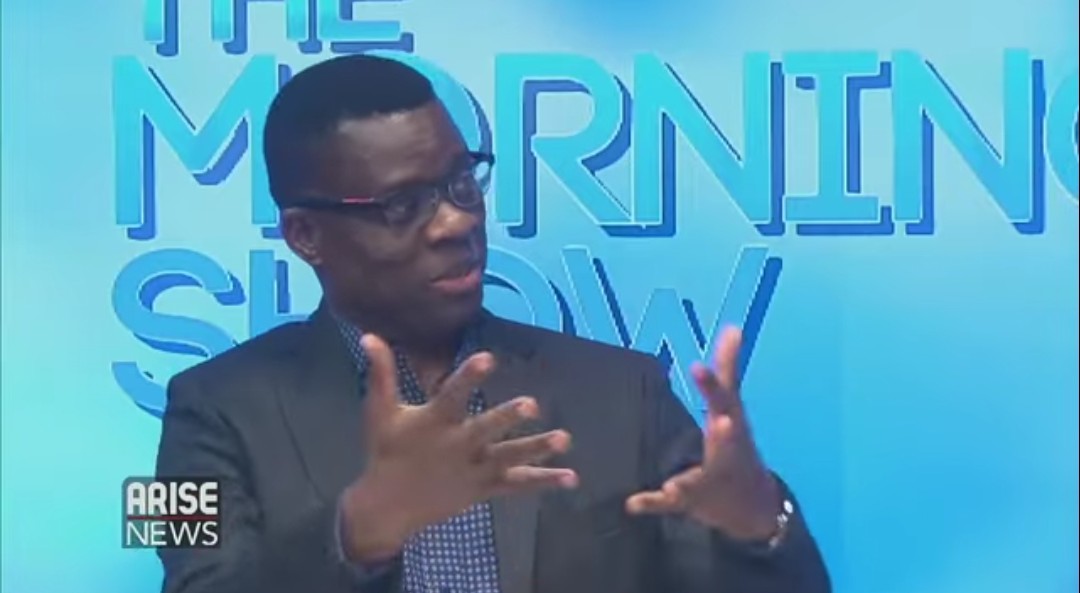
…says “All We Did Was In Vain”
Mike Igini, former Resident Electoral Commissioner (REC) of the Independent National Electoral Commission (INEC), has expressed deep regret over his decade-long service with Nigeria’s electoral body, declaring that his efforts to reform the nation’s electoral system may have ultimately been in vain.
Speaking during an interview on Arise News, Igini opened up about the immense personal sacrifices, entrenched resistance to credible elections, and the grave dangers faced by electoral officials committed to upholding democratic values.
Reflecting on his journey, Igini said:
“I spent over 30 years of my life, including 10 practical years in INEC, working to remove the history of our elections from the realm of frustration and pain, so we can give meaning and purpose to the ballot as the best means of expressing the will of the people in a democracy.
“To now find out that all that we did was in vain, that’s why I regret that I wasted my 10 years in service of the fatherland because I’d have been a dead man by now.
“However, I would have been a dead man pursuing this cause; my colleague in Kano was killed because we wanted to do the right thing for Nigeria. His entire family wiped out.”
His emotional remarks underscore the perilous terrain of Nigeria’s electoral administration, where officials pushing for transparency and accountability often confront intense pressure, threats, and, in extreme cases, fatal consequences.
Igini’s comments highlight what he described as a longstanding culture of resistance against free, fair, and credible elections.
According to him, reform efforts aimed at restoring public confidence in the ballot have been repeatedly undermined by systemic obstacles and entrenched interests.
For more than three decades—spanning over 30 years of public engagement and 10 practical years within INEC, Igini said he dedicated himself to ensuring that the ballot remains “the best means of expressing the will of the people in a democracy.” Yet, his recent reflections suggest a growing disillusionment with the political will to safeguard electoral integrity.
Beyond recounting past struggles, Igini also raised fresh concerns about proposed amendments to the Electoral Act. He warned that certain changes, if approved by the president, could expose presiding officers at polling units to heightened risks and severe threats.
His caution signals apprehension that instead of strengthening the electoral framework, some legislative adjustments may further endanger officials working on the frontlines of democracy.
Igini did not mince words in condemning what he described as the “level of hypocrisy” among stakeholders involved in Nigeria’s electoral process. He suggested that despite public pronouncements about democratic progress, behind-the-scenes actions often undermine the credibility of elections.
As a long-time advocate for electoral integrity, Igini stressed the urgent need to protect the democratic process. For him, safeguarding the ballot is not merely about procedure but about preserving the very foundation of representative governance.
His remarks have reignited debate over the safety of electoral officials, the sincerity of political actors in pursuing credible elections, and the future of Nigeria’s democracy in the f ace of systemic challenges.