
NEWS
Iran Postpones State Funeral for Supreme Leader, Ayatollah Ali Khamenei, Amid Intensifying Israeli and U.S. Airstrikes on Tehran


Iran has abruptly postponed the planned three-day state funeral for its late Supreme Leader, Ali Khamenei, just hours before the ceremony was scheduled to begin in the capital city of Tehran.
The high-profile funeral rites were expected to commence on Thursday evening at the grand mosque in the Iranian capital, drawing millions of mourners from across the country and the wider region.
However, Iranian state media confirmed that the ceremony had been delayed as Israeli and United States military strikes continued to target locations in and around Tehran.
According to official reports, the funeral will be rescheduled for a later date as authorities assess security concerns and logistical challenges arising from the ongoing bombardment.
Organisers explained that the postponement was made partly in anticipation of an unprecedented turnout of mourners.
Officials indicated that additional time was required to put in place the infrastructure and security arrangements necessary to manage the expected massive crowds.
Iranian state television later confirmed the decision, announcing that the farewell ceremony for the late leader had been postponed and that a new date would be communicated to the public once arrangements were finalised.
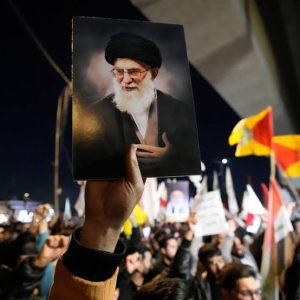
Earlier in the day, Hojjatoleslam Mahmoudi, head of Iran’s Islamic Propagation Council, had outlined detailed plans for a national mourning programme in honour of Khamenei. The programme was originally designed to span three days, culminating in a large funeral procession through Tehran.
Mahmoudi had also announced that members of the public would be allowed to pay their final respects to the body of the late Supreme Leader at the Imam Khomeini Prayer Hall, one of the country’s largest religious gathering venues.
The venue, commonly referred to as the Mosalla prayer hall, had been prepared to receive visitors late into the night as thousands of mourners were expected to gather to honour the late cleric and political leader.
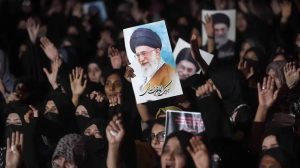
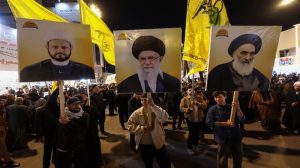
Following Khamenei’s death, Iranian authorities declared an official 40-day national mourning period, in line with Islamic tradition. The government also announced a seven-day nationwide holiday to allow citizens to participate in mourning ceremonies and commemorations across the country.
Khamenei, who served as Iran’s Supreme Leader for decades, was one of the most powerful figures in the country’s modern history, wielding ultimate authority over the nation’s political, military and religious institutions.
The sudden postponement of the funeral underscores the tense and volatile security environment in Iran’s capital as the conflict involving Israel, Iran and their allies continues to escalate, raising concerns about regional stability and the safety of l

 arge public gatherings.