
DEVELOPMENT
OED’s December 2025 Update Celebrates Nigeria’s Linguistic Power as ‘Nyash’, ‘Abeg’, ‘Amala’, ‘Afrobeats’ and Other Homegrown Expressions Enter Global Dictionary

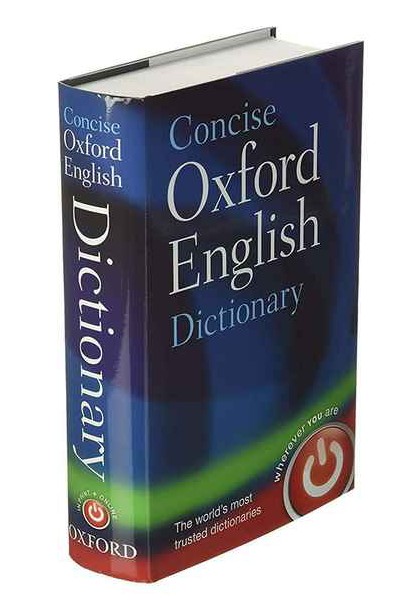
The Oxford English Dictionary has added several Nigerian-origin words in its latest update, reflecting the growing global influence of the nation’s language, culture and cuisine, in what many scholars and cultural observers have described as another major recognition of Nigeria’s soft power on the world stage.
The December 2025 update, released on the OED website on Wednesday, features more than 500 new words, phrases and senses, including internet slang such as “DM”, “brainfart” and “chug”, underscoring how digital culture and everyday speech continue to reshape the English language globally.
Beyond new entries, the update also saw over 1,000 existing entries revised, with OED editors delving into the histories and evolving meanings of familiar words such as “troll”, “coffee” and “snooker”, further reflecting the dictionary’s commitment to tracking language as a living and constantly changing phenomenon.
According to the editors, the latest update draws heavily from varieties of English used across different regions of the world, including West African English, Maltese English, Japanese English and South Korean English. The OED noted that these Englishes are increasingly shaping global communication, media, music, food culture and digital interactions.
Nigeria featured prominently in the update, with several commonly used expressions and food-related terms officially recognised.
Among the Nigerian entries are everyday words and phrases such as “nyash,” “mammy market,” “amala,” “moi moi,” “abeg,” “biko,” and “Ghana Must Go”, all of which have long been embedded in daily conversations and cultural practices across the country and beyond.
One of the most globally influential Nigerian contributions, “Afrobeats”, was also included and defined as “a style of popular music incorporating elements of West African music and of jazz, soul, and funk.”
The inclusion further affirms the genre’s worldwide dominance, driven by Nigerian artistes whose music now fills international charts, festivals and award platforms.
The dictionary describes “abeg” as an interjection used to express contextually a range of emotions, such as surprise, exasperation and disbelief, while “biko”, originally from the Igbo language, is defined as an adverb and interjection used in polite request or agreement, or to add polite emphasis or urgency: ‘please’.”
“Nyash” is defined as “a person’s (esp. a woman’s) buttocks; the bottom, the backside,” reflecting its widespread usage in Nigerian slang, popular music and social media discourse.
Also added is “Ghana Must Go”, the popular name for the large, chequered plastic bags widely used in West Africa. The expression traces its origin to the 1983 mass expulsion of undocumented Ghanaian migrants from Nigeria. It is defined as “A large, zippered bag made of durable plastic with a colourful check pattern, often used for carrying one’s…”, cementing its place as both a cultural and historical reference.
The term “mammy market” was recognised as “a market typically run by women, originally found in military barracks but later also in youth service camps and educational institutions,” capturing a uniquely Nigerian social and economic institution that has endured for decades.
In the area of cuisine, the OED included “amala”, a staple food made from yam or cassava flour, defined as “a kind of dough made of yam, cassava, or unripe plantain flour, typically formed into a ball and served as an accompaniment to other dishes.” Another notable inclusion is “moi moi”, a dish originating among the Yoruba people, described as “consisting of beans ground into a smooth paste, mixed with peppers, onions, dried…”, highlighting Nigeria’s rich culinary heritage.
This latest recognition builds on earlier updates. The Oxford English Dictionary expanded its lexicon with 20 Nigerian words and expressions in a January 2025 update, highlighting the influence of Nigerian English, Pidgin and street slang on global vocabulary. That update featured popular expressions such as japa, agbero and eba, a staple food made from cassava flour.
Other entries such as 419, referring to internet fraud, and abi, a common conversational tag, were also added, further demonstrating how Nigerian expressions continue to travel beyond national borders and become part of everyday global English.
With each update, the OED’s growing collection of Nigerian words reinforces the country’s role as a major contributor to the evolution of modern English, driven by its vibrant culture, dynamic youth population and expanding global presence in music, food, technology and digital communication.