
NEWS
President Tinubu Set to Approve Only One New State Amid Constitutional Amendment Process

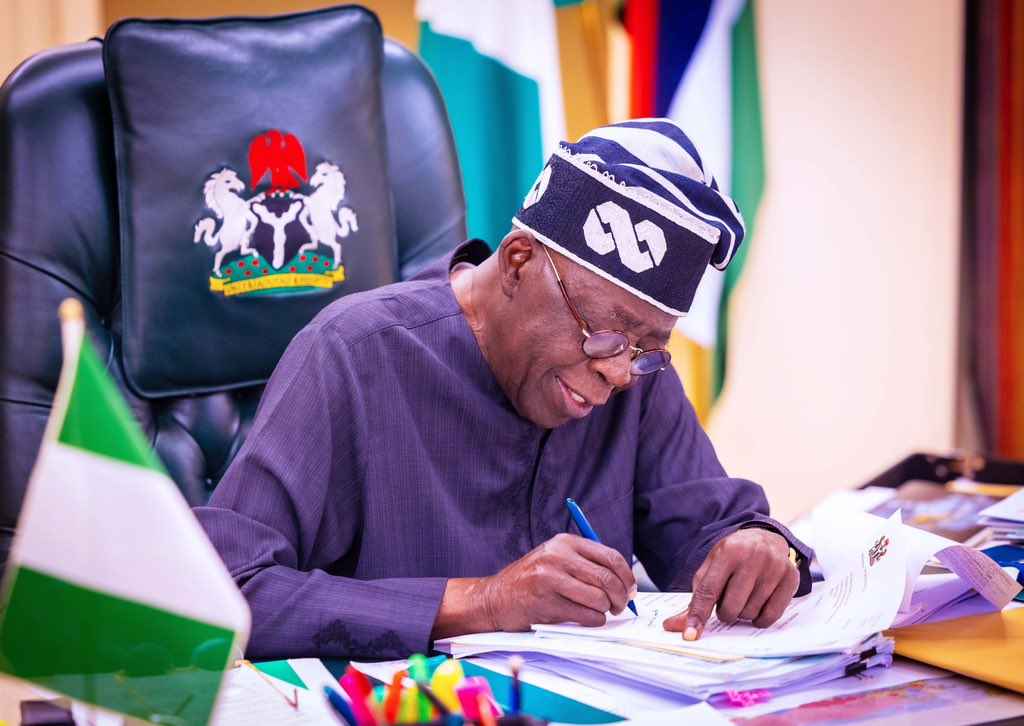
Strong indications are emerging that President Bola Ahmed Tinubu is likely to approve the creation of only one additional state once the ongoing constitutional amendment process at the National Assembly and state legislatures reaches completion. Sources familiar with the discussions reveal that political, economic, and administrative considerations are shaping the federal government’s cautious approach.
Nigeria currently comprises 36 states, but calls for state creation have intensified in recent years. Various regions have submitted proposals to the National Assembly, citing issues such as marginalisation, population growth, and the need for more effective grassroots governance.
Lawmakers have received numerous requests, yet insiders indicate that the federal government is weighing these demands against financial sustainability and the cost of expanding administrative structures.
Creating a new state is not a simple exercise. It requires substantial investment in new administrative frameworks, civil service systems, and security apparatuses. The federal government, amid ongoing fiscal reforms and efforts to cut costs, appears determined to balance these demands against the country’s economic realities.
The constitutional process for state creation remains rigorous: proposals must secure approval from two-thirds of National Assembly members, receive endorsement from two-thirds of state Houses of Assembly, and obtain the President’s assent. Analysts suggest that while several proposals are under consideration, only one has reportedly gained sufficient political momentum to meet these stringent requirements.
Political observers note that limiting the approval to a single state could serve as a strategic approach to manage regional expectations, maintain national unity, and avoid placing excessive strain on the federation’s finances.
However, this cautious approach may also trigger renewed debates over equity and fairness, as competing regions continue to press for recognition and representation.
As Nigeria awaits the final outcome, the federal government appears to be navigating a delicate balance between political demand, economic prudence, and constitutional obligation, signaling that any decision on state creation will be carefully measured and highly consequential for the nation’s political landscape.