
NEWS
Reza Pahlavi, Demands Immediate Transfer of Power in Iran Following Supreme Leader Ali Khamenei’s Death, Warning Against Illegitimate Successors

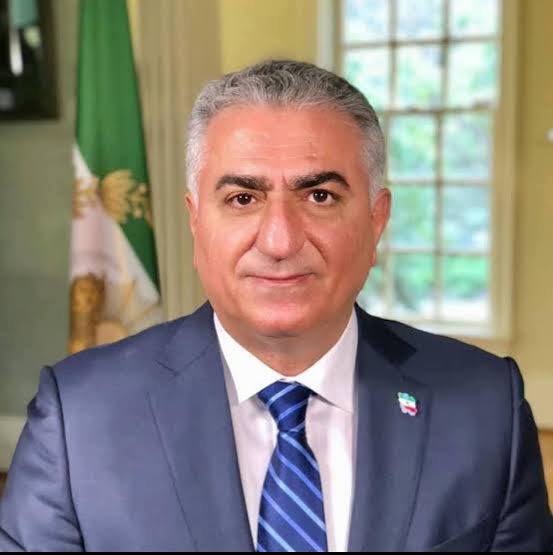
Reza Pahlavi, son of Iran’s former monarch, has publicly called on Iranian authorities to relinquish power immediately following the death of Supreme Leader Ali Khamenei, sparking renewed debate over the future of the Islamic Republic.
In a statement posted on his verified X account on Thursday, March 5, 2026, Pahlavi urged for “a swift and orderly transition,” stressing the critical need for clarity and stability in Iran’s leadership amid the uncertainty left by Khamenei’s sudden passing.
“Hand over power immediately,” Pahlavi wrote, emphasizing the importance of preventing a prolonged power vacuum that could destabilize the nation. He went on to directly challenge any attempts to appoint a successor to Khamenei, casting doubt on the legitimacy of potential replacements.
“Any attempt to appoint a successor to Ali Khamenei would fail,” he said, asserting that the Iranian people would reject those chosen to fill the supreme leader’s position.
Pahlavi’s intervention comes at a moment of unprecedented uncertainty in Iran. For decades, Khamenei maintained tight control over the country’s political and religious institutions, and his death has left a leadership void that analysts warn could trigger internal power struggles and shifts within the country’s governance structure. Observers note that the transition period will be critical, as Iran faces both domestic instability and heightened international scrutiny.
A long-time critic of the Islamic Republic, Pahlavi has consistently advocated for democratic reforms, government transparency, and greater political freedom. Analysts suggest that his statement serves as both a warning to Iranian authorities and a signal to the international community about the necessity of a credible political transition.
“Iran is at a crossroads,” Pahlavi added, highlighting the urgency of the moment and the potential consequences of mismanaging the succession process. His comments underscore a broader call for stability, legitimacy, and the protection of citizens’ trust in governance during what could be a transformative period in the nation’s history.
As Iran grapples with the death of a leader who shaped its political landscape for decades, all eyes remain on Tehran’s next steps, with Pahlavi’s message resonating as a prominent voice urging immediate and democratic leadership change.