
NEWS
Tension Spikes in Strait of Hormuz as Iran Seizes Two Container Ships Amid Fragile Ceasefire Extension

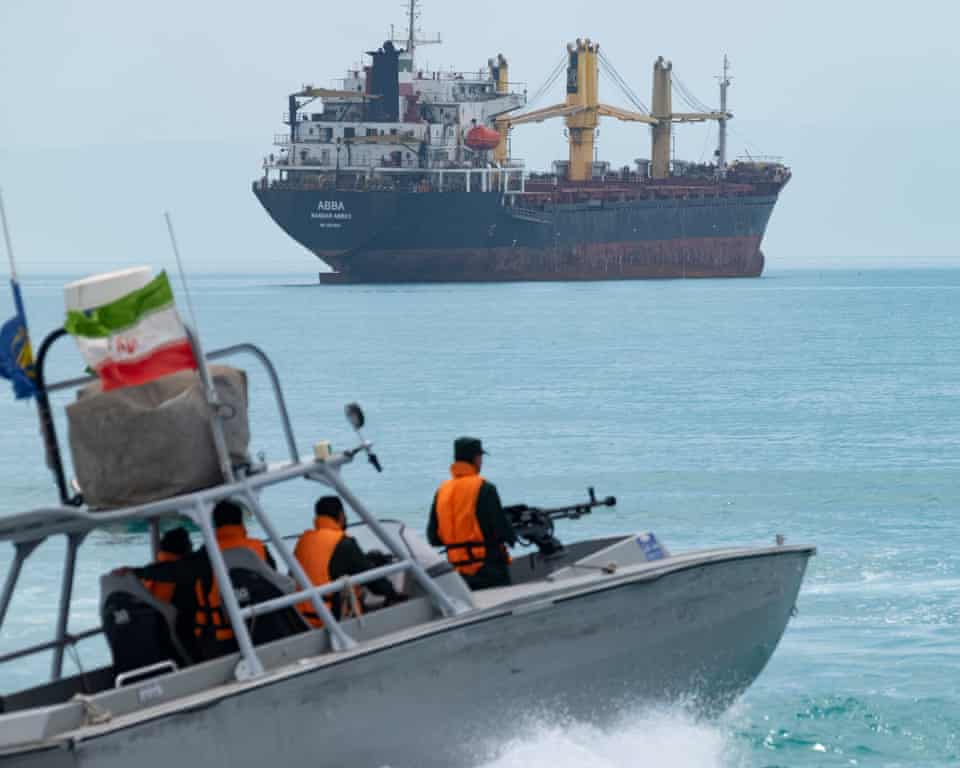
Tensions in the Middle East took a sharp turn on Wednesday after Iranian forces seized two container ships in the strategically vital Strait of Hormuz, raising fresh concerns over maritime security and the stability of an already fragile ceasefire arrangement.
The vessels, identified as the MSC Francesca and the Epaminondas, were intercepted by the naval arm of Iran’s Islamic Revolutionary Guard Corps and escorted toward the Iranian coastline, according to reports from state media.
Iranian authorities justified the action by alleging that both ships were operating without proper authorization and had interfered with their navigation systems.
The seizure came just hours after former U.S. President Donald Trump moved to ease global tensions by extending an existing ceasefire with Iran indefinitely. The extension was aimed at providing Tehran with additional time to consolidate its position and present a unified proposal toward ending the ongoing conflict.
Despite the temporary diplomatic reprieve, the situation at sea rapidly deteriorated. Earlier in the day, both vessels reportedly came under attack in separate incidents. One of the ships signaled distress after sustaining significant damage to its bridge, allegedly caused by gunfire from an Iranian patrol boat roughly 15 nautical miles northeast of Oman. The second vessel reported a separate confrontation approximately eight nautical miles off the Iranian coast, though it did not identify its attackers.
These incidents were independently documented by the UK Maritime Trade Operations, a maritime security body linked to the British Royal Navy, which confirmed the attacks without initially naming the vessels involved.
The developments mark a dangerous escalation in the Strait of Hormuz, a critical global shipping route responsible for a significant portion of the world’s oil transit. Control and security of the waterway have remained central to ongoing geopolitical tensions, particularly as negotiations to end the U.S.-Israeli war against Iran continue to stall.
Trump’s decision to extend the ceasefire announced via social media shortly before its expiration was seen as an attempt to de-escalate hostilities and create space for diplomacy.
However, the absence of immediate concessions from Tehran has underscored the deep divisions that persist, even as the conflict grows increasingly costly and politically sensitive.
With both military and diplomatic signals now pulling in opposite directions, the seizure of the ships has heightened fears that the fragile calm in the region may once again give way to open confrontation.