
CRIME
U.S. Congressman, Riley Moore Raises Alarm Over Alleged Persecution of Christians in Nigeria

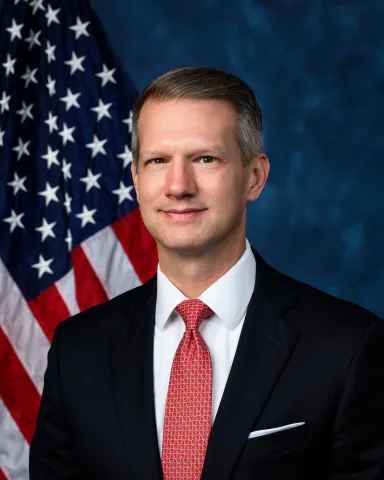
A United States Congressman, Rep. Riley Moore, has raised fresh concerns over what he described as the targeted persecution of Christians in Nigeria, citing threats allegedly issued by the Islamic State group against Christian communities.
Moore made the remarks in a post on his official X (formerly Twitter) account, where he argued that recent developments should put an end to any debate about whether Christians in Nigeria are being attacked because of their faith.
“If there were any remaining doubts that Christians in Nigeria are being targeted for their faith in Jesus Christ, this should end that debate,” the lawmaker wrote.
He dismissed alternative explanations often given for violence in parts of Nigeria, insisting that the attacks are religiously motivated.
“This isn’t about land usage, ‘climate change,’ or any other argument the Left wants to make. This is persecution of our brothers and sisters for their faith in Christ, plain and simple,” Moore stated.
The congressman further alleged that ISIS has issued threats to Christians, offering them the chance to renounce their faith in exchange for their lives.
“ISIS is telling Christians they have an opportunity to ‘spare their blood’ if they convert. Our brothers and sisters will not bend the knee to anyone but our Lord and Savior though,” he added.
Moore also commended ongoing cooperation between the United States and Nigeria in tackling terrorism, expressing confidence in the current U.S. administration’s efforts.
“Thankfully, @POTUS is continuing to work in cooperation with the Nigerian government to stop these Islamic radicals and defend our brothers and sisters in Christ,” he said.
Nigeria has for years grappled with insecurity linked to extremist groups, including Boko Haram and its splinter faction, the Islamic State West Africa Province (ISWAP), particularly in the North-East. The violence has drawn international attention and sparked debates over its root causes, with religious leaders and human rights groups repeatedly calling for stronger protection of vulnerable communities.