
NEWS
U.S National Debt Hits Historic $40 Trillion Mark as Fiscal Concerns Mount

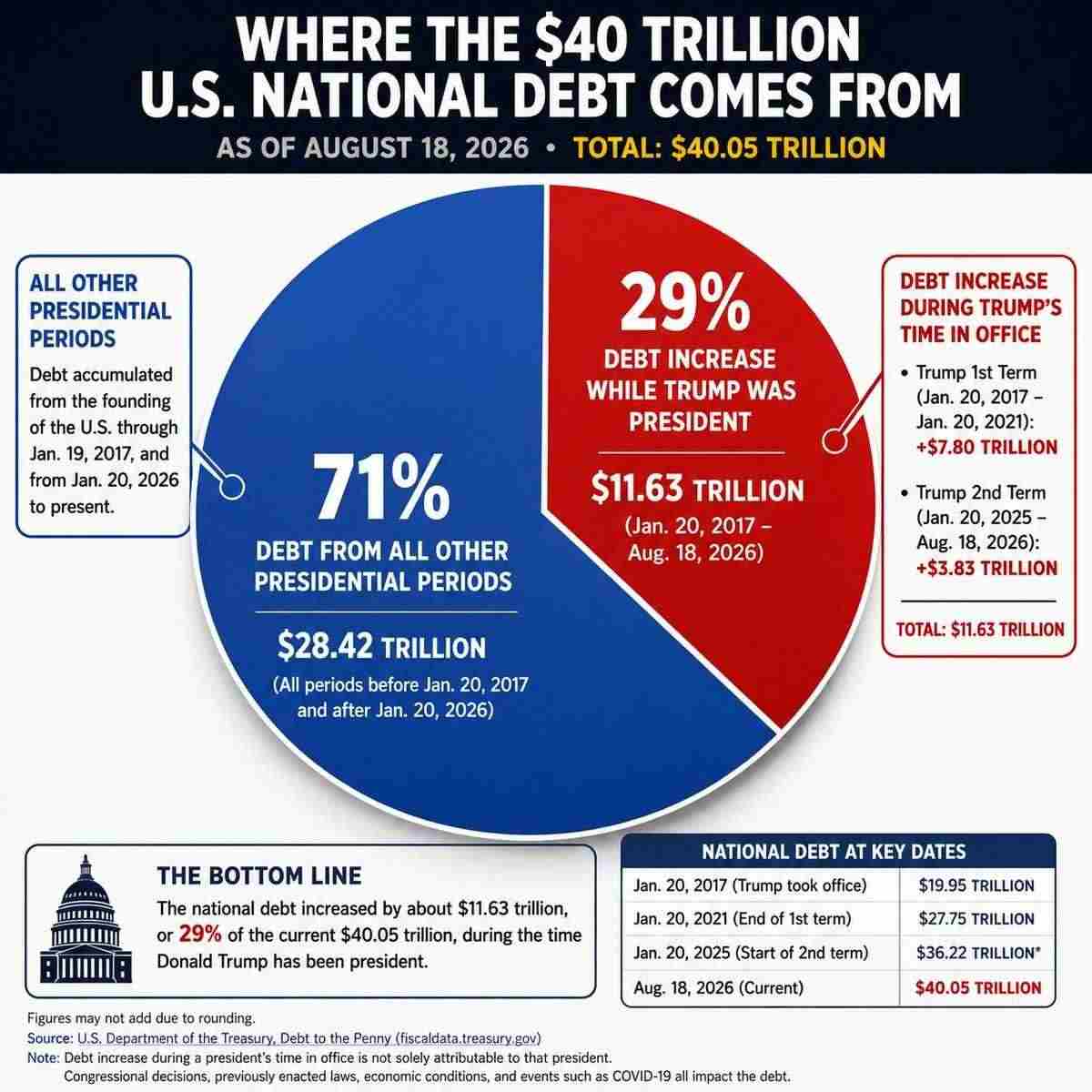
The United States has crossed another historic financial threshold as its total national debt surged past $40 trillion for the first time, raising fresh concerns about the long-term health of the world’s largest economy.
New figures released by the US Department of the Treasury on Wednesday showed that the country’s debt has continued its rapid climb, reaching a level that had previously been projected to occur years later.
The growing debt burden has intensified fears of a potential fiscal crisis, particularly as the US continues to rely heavily on borrowing while grappling with rising government expenditure and pressure for lower taxes.
The debt has expanded significantly during President Donald Trump’s second term, which began in January last year, despite a strong focus by the administration on cutting costs and improving government efficiency.
One of the most prominent measures has been the activities of the Department of Government Efficiency, known as DOGE. The initiative has reportedly overseen major reductions in the federal workforce, with between 250,000 and 350,000 jobs affected, while spending on global aid has also faced substantial cuts.
However, the cost-cutting measures have not been enough to prevent the country’s overall debt from climbing to unprecedented levels.
The development is particularly striking because the Congressional Budget Office had projected in May 2023 that the United States would not reach the $40 trillion debt mark until 2028. The country has now reached that milestone years ahead of the earlier forecast.
The mounting debt means the US government faces increasing obligations in servicing loans, a situation that could place further pressure on public finances and have wider consequences for businesses, investors and ordinary citizens.
Budget watchdogs have warned that the consequences of the debt are not limited to government accounts, as the effects could eventually filter through the wider economy in the form of higher taxes, increased borrowing costs, inflationary pressures or reduced government spending.
With the $40 trillion barrier now broken, attention is expected to shift sharply toward how Washington plans to control borrowing and prevent the nation’s debt burden from escalating into a more serious 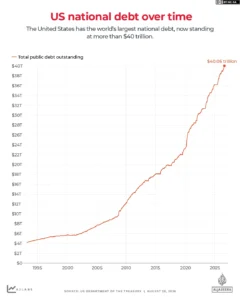 fiscal challenge.