
NEWS
Why More Nigerians Are Suffering Strokes at Younger Ages as Experts Point to Everyday Eating Habits

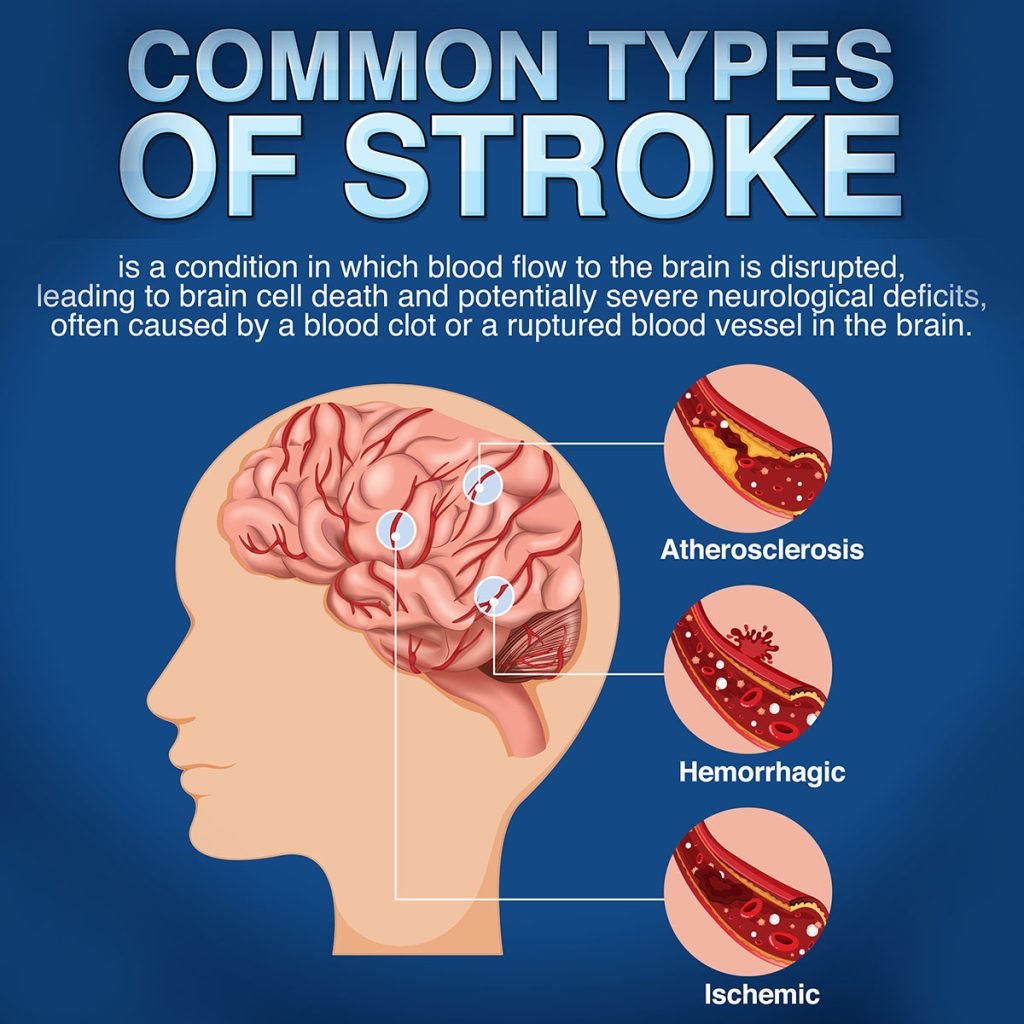
An increasing number of stroke cases among younger Nigerians is raising fresh concerns about the role of lifestyle and diet in the country’s growing burden of cardiovascular diseases.
In recent years, reports of people in their 30s, 40s and 50s suffering strokes have become more frequent, challenging the long-held belief that the condition mainly affects the elderly. Cases of individuals suddenly collapsing at work or at home, despite appearing healthy, have become alarmingly common.
Health experts say one of the biggest drivers of this trend is uncontrolled high blood pressure, often referred to as the “silent killer” because it can develop without noticeable symptoms while causing significant damage to the body.
According to a Nigerian Registered Dietitian, many everyday eating habits contribute to the rising prevalence of hypertension, which remains the leading risk factor for stroke. Diets high in salt, heavily seasoned meals and excessive consumption of refined carbohydrates can gradually increase blood pressure and elevate the risk of life-threatening complications.
To reduce these risks, nutrition experts recommend adopting healthier dietary choices. These include cutting down on salty and highly processed foods, replacing refined carbohydrates with healthier alternatives such as beans, oats, unripe plantain and Ofada rice, while increasing the intake of nutrient-rich leafy vegetables including ugu, ewedu, waterleaf and efo tete.
Experts say these simple adjustments can significantly improve heart health, help regulate blood pressure and lower the likelihood of stroke over time.
Medical professionals also encourage regular blood pressure checks, maintaining a healthy weight, engaging in physical activity and avoiding excessive alcohol consumption and smoking as part of a comprehensive strategy to prevent hypertension and stroke.
The nutrition article further highlights several Nigerian foods known to support heart health and explains the nutritional benefits that make them effective in reducing cardiovascular risk.
Health advocates stress that while medication remains important for people diagnosed with hypertension, long-term lifestyle changes, particularly healthier eating habits are equally essential in preventing strokes and improving overall wellbeing.
As awareness grows, experts continue to urge Nigerians to pay closer attention to what they eat, noting that small daily dietary decisions can have a lasting impact on heart health and longevity.