
NEWS
President Bola Tinubu Directs States to Share Electricity Subsidy Costs Amid Rising Tariffs; PCAF to Fund Vulnerable Households

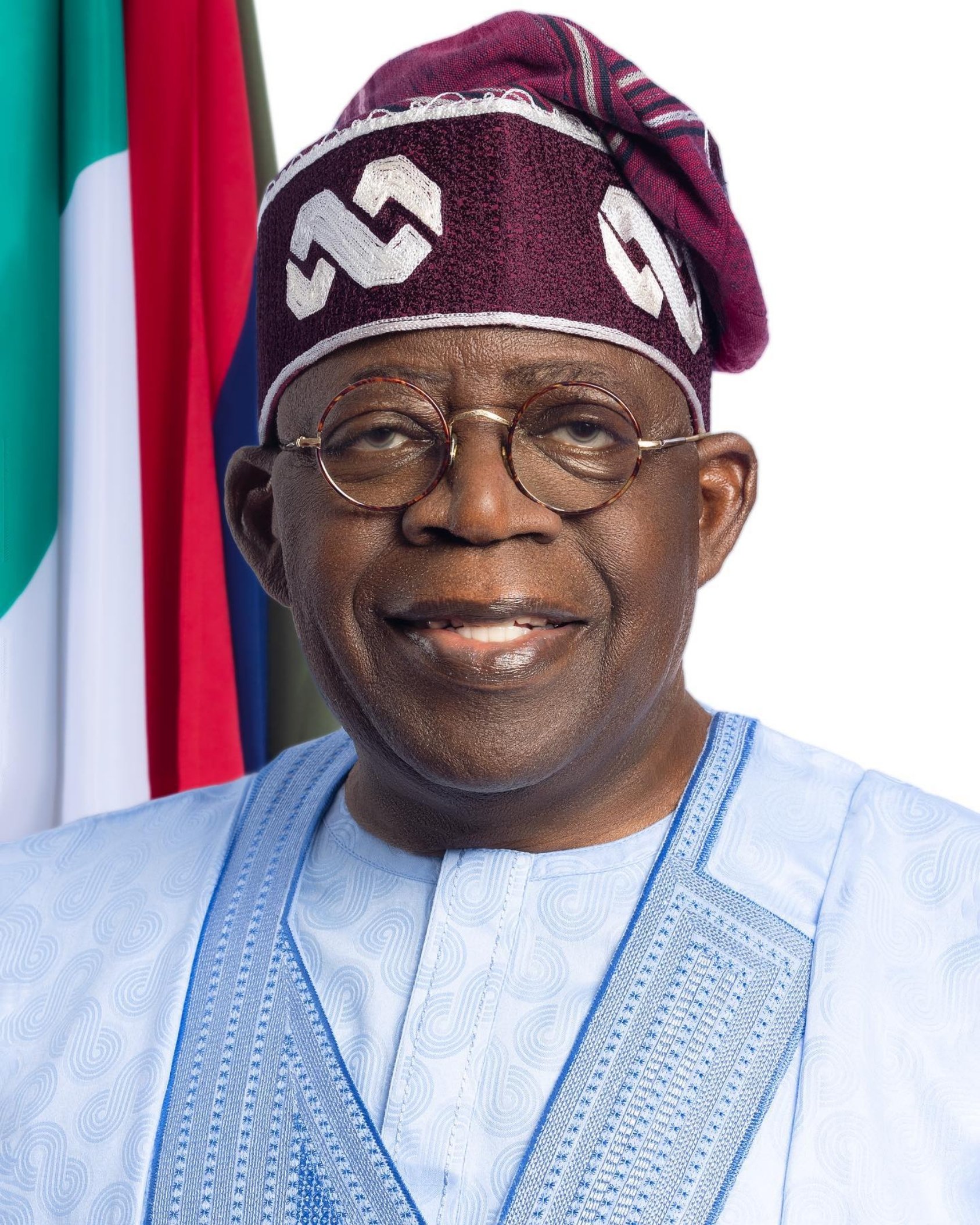
In a landmark directive aimed at ensuring a sustainable electricity sector, President Bola Tinubu has ordered that state governments now share the cost of electricity subsidies alongside the Federal Government.
Vanguard gathered that the funding for these subsidies will come from the Power Assistance Consumers Fund (PCAF), a government-backed financial pool designed to subsidise electricity bills for low-income and vulnerable households. PCAF seeks to improve energy access while stabilising the sector by funding targeted support rather than universal subsidies.
Currently, more than 18 states operate their regulatory agencies, with several others poised to do the same. These states include Lagos, Ondo, Osun, Ekiti, Edo, Delta, Bayelsa, Akwa Ibom, Cross River, Abia, Anambra, Imo, Kogi, Niger, Nasarawa, Plateau, Gombe, and Jigawa.
Speaking at the opening of the 2026 Post-Budget Preparation Workshop using the Government Integrated Financial Management System (GIFMIS) in Abuja yesterday, Director-General of the Budget Office of the Federation, Mr. Tanimu Yakubu, emphasized that states benefiting politically from electricity subsidies must also contribute financially.
In an address read on his behalf by the Director of Expenditure Social, Mr. Yusuf Muhammed, he said:
“Mr. President has directed that we operationalise a clearer framework to share the cost of electricity across the federation, so the burden is not treated as an open-ended fiscal residual. I mean federal residual. Let me be direct.
“If you want a stable power sector, we must pay for the choices we make. When tariffs are held low cost, a gap is created. That gap is a subsidy, and a subsidy is a bill.
“In 2026, we will stop pretending that this bill can be left to the Federal Government alone, especially where the policy choice or the political benefit is shared across tiers of government. Mr. President directed us to invoke the electricity sector legal framework to make burden-sharing practical and transparent.
“This means subsidy costs must be explicit, tracked and funded, so they do not return as arrears, liquidity crisis, or hidden liabilities in the market. It also means that if any tier of government chooses affordability intervention, the responsibility must be clear, agreed and enforceable. This is not punishment. It is an alignment.
“When everyone carries a fair share of the cost, everyone also has an incentive to support cost-effective, efficiency-targeted protection for the vulnerable, and empower market that can actually deliver for MDAs.
“The implication is simple, makes subsidies-related cost visible in your planning and submission. Do not push liabilities into the market as arrears or unfunded commitment. Support transparent rule-based attribution and financing of affordability decisions.”
Mr. Yakubu also revealed that President Tinubu directed the Budget Office of the Federation (BoF) and MDAs to enhance fiscal discipline through a review of the Fiscal Responsibility Framework, stressing the importance of fiscal rules as “guardrails of government.”
He highlighted the financial strain of subsidies, explaining that:
“Had anything to do with FAAC allocation are paying for it because the NNPC which was supposed to be remitting to the federation account was not remitting, so all the states were paying for it.
“When the first subsidy stopped, NNPC was able to remit a lot more and the states were getting more revenue so I believe the same scenario is about to play out, with regard to electricity subsidy.
“The numbers are getting bigger and bigger by the day. The last time we were told that the GENCOs and the gas suppliers were owed about five trillion naira. The Federal Government had to issue a bond to that effect, that’s what we are seeing here and that was as at June or September last year. Between then and now the figures will have gone up.
“So a subsidy regime that’s obviously difficult for the Federal Government alone to continue to carry is one that is not so sustainable but it’s not politically feasible to tamper with that subsidy regime as we speak.
“This is because the citizens are yet to recover from earlier reforms and the implications on their real income and on their welfare. We are in a pre-election year, so this is another cross the government will have to carry and they are closely connected from those who are supplying gas to those who are generating, down to those who are transmitting, as well as those distributing.
“This is a strongly linked and connected chain. And once there’s a break in the chain, electricity system goes down. However, it’s a sector that needs more rigorous reform, more fundamental reforms. But I am not sure those reforms can move as quickly as we desire, particularly at a time like this.
“This is a major policy concern. But for me, I think that decision is almost inevitable, given the rate at which electricity subsidy has been growing, because all the players have been talking about cost-reflective tariff and all of that, but I don’t think that is feasible at this time. That is a challenge.”
This directive marks a major shift in Nigeria’s electricity policy, signalling increased fiscal responsibility, transparency, and shared accountability across all tiers of government as the nation navigates rising energy costs.