
AGRICULTURE
Adulterated Palm Oil Floods Nigerian Markets, Raising Alarming Health Concerns for Millions of Consumers

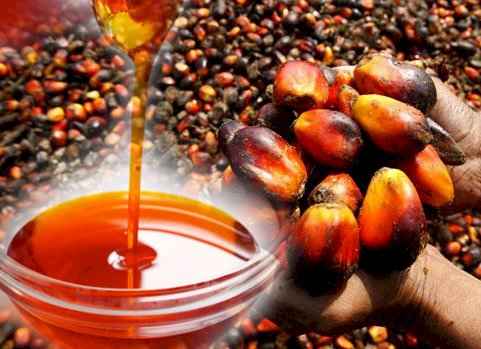
Investigations have uncovered a growing and dangerous trend in Nigerian markets: the widespread circulation of adulterated palm oil, now posing serious health risks to households across the country. A report by Punch News on Sunday, December 14, 2025, revealed that palm oil—one of Nigeria’s most commonly used cooking ingredients—is increasingly being contaminated by unscrupulous traders in the quest for higher profits.
The investigation exposed how some palm oil dealers dilute the product with water and further contaminate it with industrial dyes, colouring chemicals and other harmful substances to artificially increase volume and improve appearance. This fraudulent practice has reportedly become rampant in major commercial hubs such as Mile 12 and Otto Market in Lagos, transforming a staple food item into a silent public health threat.
Several consumers recounted distressing experiences linked to the use of the compromised oil. A Lagos resident, Remi Odumola, narrated how palm oil purchased for cooking efo riro behaved abnormally when heated, lacked its natural aroma, discoloured the meal and later caused stomach pain for her husband. By the following day, the soup had fermented and developed a sticky film, forcing her to throw it away. Similar complaints were echoed by caterers, food vendors and families who said their meals were spoiled and, in some cases, followed by illness.
Observations by Punch Healthwise reporters further revealed unhygienic handling practices in many markets. Palm oil was seen stored in reused plastic drums and jerrycans and repeatedly transferred between containers under unsanitary conditions. Some traders openly admitted adding dyes to enhance the redness of the oil, particularly those imported from neighbouring countries or diluted with water. Others blamed consumer preferences, noting that many buyers equate very bright red oil with higher quality, unknowingly encouraging adulteration.
The investigation also uncovered the use of Sudan dyes and azo dyes—chemicals commonly applied in textiles and plastics—in palm oil sold for consumption. Experts warned that these substances are banned for food use in many countries and have been linked to organ damage, DNA damage, cancer and other severe health complications. Medical specialists explained that prolonged consumption of contaminated oil can lead to the accumulation of toxins in vital organs such as the liver, heart and brain, increasing the risk of chronic diseases.
The report connected the surge in adulteration to Nigeria’s ongoing palm oil shortage. With national consumption far exceeding local production, the country relies heavily on imports, creating loopholes for malpractice. Industry leaders described the situation as a national emergency, attributing its persistence to weak regulation and poor enforcement by relevant authorities.
Consumers also identified warning signs associated with adulterated palm oil, including excessive foaming during cooking, chemical odour, unnatural staining of hands and clothes, altered taste and colour of food, and stomach discomfort after consumption. Nutrition and food safety experts described the practice as nutritional robbery, stressing that it strips palm oil of its natural health benefits while exposing consumers to toxic substances.
In response to the findings, experts urged regulatory agencies, particularly NAFDAC, to intensify market inspections, seize substandard products and enforce stricter controls on food safety standards. They also advised Nigerians to exercise caution when buying palm oil by avoiding overly bright or unusually cheap products and purchasing only from trusted and reputable sources to reduce potential health risks.