
security
Nigerian Muslim Leaders Warn Netanyahu to Stay Out as Israel’s Pledge to ‘Protect Christians’ Sparks Sovereignty, Terrorism and Genocide Debate

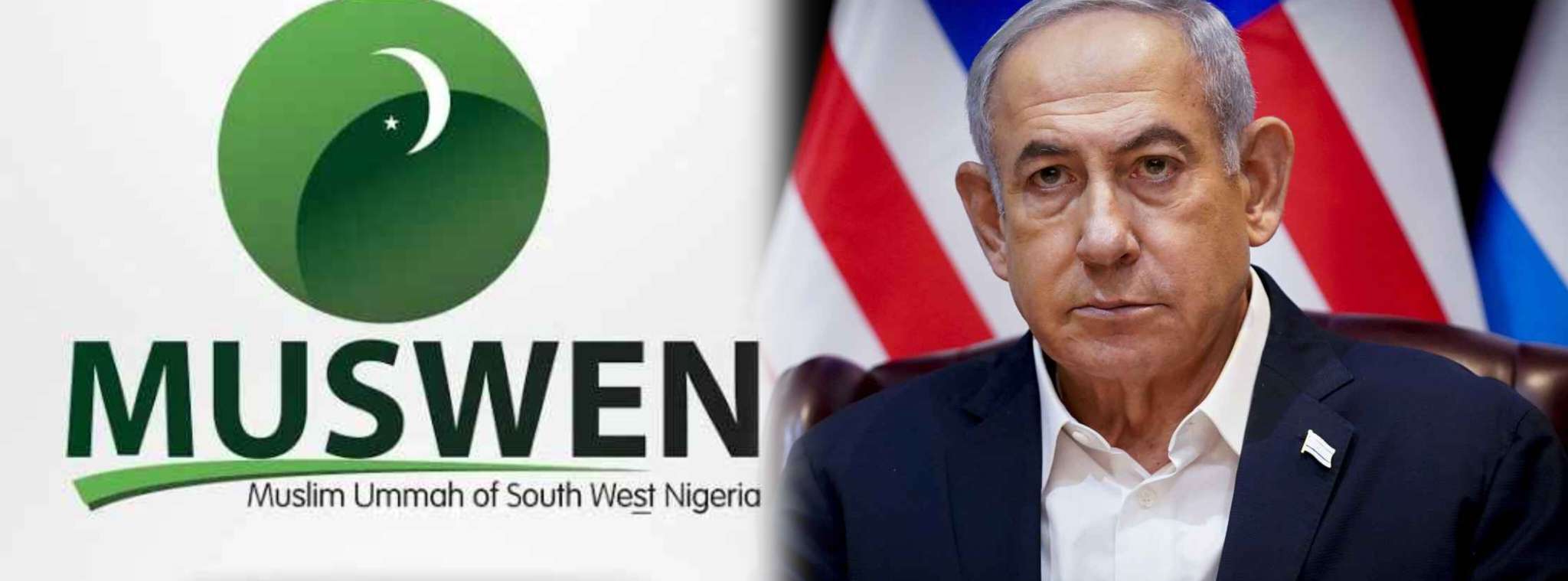
Some Muslim leaders in Nigeria have issued a strong warning to Israeli Prime Minister Benjamin Netanyahu, urging him not to interfere in Nigeria’s internal affairs following his recent remarks that Israel would join the United States in combating attacks on Christians in the country.
Netanyahu made the controversial statement in a Christmas Day message addressed to Christian Zionist supporters, where he declared that Israel was prepared to “open a new front” to protect Christians facing persecution in several countries, including Nigeria, Syria, Lebanon and Turkey. The comment immediately drew sharp reactions within Nigeria, particularly from Muslim groups who viewed the remarks as intrusive and hypocritical.
Reacting on Friday, the Muslim Ummah of South West Nigeria (MUSWEN) condemned Netanyahu’s comments, describing them as ironic and deeply troubling. The group argued that it was contradictory for the Israeli Prime Minister to speak about fighting terrorism in Nigeria while, in its view, presiding over violent actions against Palestinians.
MUSWEN’s Executive Secretary, Professor Wole Abbas, did not mince words as he criticized the Israeli leader’s position.
He said, “Netanyahu’s statement that he would join President Trump of America in fighting terrorism in Nigeria is unfortunate. What he has done to Palestinians in Gaza is almost worse than terrorism. This is a person who has been declared wanted by the International Court of Justice.
“He still engages in genocide in Gaza and wants to help solve same in Nigeria. I cannot understand what we are witnessing in the world now. Netanyahu is a criminal who should be arrested and prosecuted for genocide.”
The statement reflects growing anger among Nigerian Muslim leaders who believe that foreign powers should not use Nigeria’s security challenges as justification for external military involvement.
MUSWEN maintained that Nigeria’s complex security issues require locally driven solutions rooted in justice, equity and national sovereignty.
Adding his voice to the criticism, a former presidential aide, Bashir Ahmad, also rejected Netanyahu’s offer of support.
Writing on X (formerly Twitter), Ahmad warned against any form of foreign military intervention in Nigeria, stressing that such actions would undermine the country’s independence. He argued that any foreign military action, including airstrikes, was unnecessary and would amount to a violation of Nigeria’s sovereignty.
The reactions highlight a broader national concern over external involvement in Nigeria’s internal security matters, especially when such involvement is framed along religious lines.
Analysts note that Nigeria’s challenges with insecurity cut across ethnic and religious boundaries, and that foreign statements perceived as selective or politically motivated risk inflaming tensions rather than resolving them.
As debate continues, Nigerian stakeholders are increasingly calling for respect for the nation’s sovereignty and a more balanced, homegrown approach to addressing insecurity, one that avoids external interference and prioritizes peace, unity and justice for all citizens.