
NEWS
Nigeria’s Passport Suffers Dramatic Freefall, Crashes From 90th to 181st in Global Ranking as Visa-Free Destinations Drop to 24

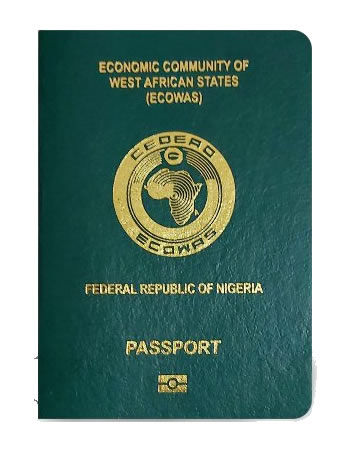
Nigeria’s international travel access has reportedly suffered a dramatic setback, with the country’s passport plunging from 90th to 181st position in the latest IziVisa Passport Ranking Index, while the number of visa-free destinations available to Nigerian citizens reportedly fell from 44 to just 24.
The sharp decline raises fresh concerns about the strength of Nigeria’s passport on the global stage and the growing limitations Nigerian travellers may face when seeking international mobility for business, tourism, education and other opportunities.
According to data published on IziVisa.com, Nigerian passport holders can currently travel to 24 destinations without a visa, obtain visas on arrival in 16 countries and access another 43 destinations through electronic visas.
The latest figures represent a significant reduction in Nigeria’s reported visa-free access compared with July 2026, when the country was listed as having access to 44 destinations under the Henley Passport Index.
The IziVisa ranking assesses passport strength based on the travel access available to holders, including visa-free entry, visas on arrival and electronic visas. Its latest figures place Nigeria near the bottom of the global ranking, highlighting the restricted international mobility associated with the country’s travel document.
At the top of the 2026 IziVisa ranking is the United Arab Emirates, whose passport provides access to 185 of 198 destinations across the three travel categories. Switzerland occupies second position, while Luxembourg, Malta, Denmark, Spain and Finland also feature among the leading countries.
Nigeria’s reported decline comes amid a broader disparity in passport strength across Africa, where several countries maintain substantially greater international travel access.
South Africa ranks 49th globally, with access to 101 destinations, followed by Botswana in 61st position with 81 destinations. Morocco occupies 67th place with access to 71 destinations, while Kenya ranks 68th with 70 destinations.
Ghana is placed 70th, with access to 67 destinations, according to the July 2026 Henley Passport Index. Nigeria shared its 90th position in that edition with the Democratic Republic of the Congo and Turkmenistan.
The Henley Passport Index, published by Henley & Partners using data from the International Air Transport Association, evaluates passports against 227 travel destinations and measures the number of destinations accessible without obtaining a traditional visa in advance.
However, the reported plunge in Nigeria’s ranking requires an important distinction. The IziVisa and Henley indices employ different methodologies and destination coverage, meaning their positions and scores cannot be compared directly as though they were generated by the same measurement system.
Nevertheless, the figures presented in the two reports have renewed attention on the international mobility available to Nigerian citizens and the importance of strengthening the country’s global standing.
For Nigerian travellers, passport strength can influence the cost, convenience and planning required for international trips. Limited visa-free access may mean additional paperwork, application fees, longer processing periods and greater uncertainty when seeking entry into foreign countries.
The latest ranking figures therefore underscore the importance of carefully examining the underlying data, the methodology used and the specific travel privileges attached to Nigeria’s passport before drawing conclusions about the scale of the reported decline.