
NEWS
Saudi Arabia Strikes UAE Arms Shipment to Yemen Amid Rising Gulf Tensions; Yemen Declares State of Emergency as Separatists Seize Southern Territories


In a dramatic escalation of regional tensions, Saudi Arabia bombed an arms shipment from the United Arab Emirates bound for separatist forces in Yemen on Tuesday, deepening a rift between the two Gulf allies that support rival armed groups in Yemen’s ongoing civil war.
The attack comes amid growing confrontations between the internationally recognised Yemeni government and Abu Dhabi-backed Southern Transitional Council (STC) separatists, who have recently seized swathes of territory in southern Yemen. In response, Yemen’s government has declared a state of emergency and cancelled a security pact with the UAE, setting a 24-hour deadline for all Emirati forces to leave Yemen.
Saudi Arabia, which supports the internationally recognised government, has condemned the UAE-backed separatists’ actions.
On Tuesday, Riyadh described the moves as “extremely dangerous” and “a threat to the kingdom” and regional security, raising fears of a direct confrontation between the two Gulf powers.
A Saudi-led coalition warned on Saturday that it would back Yemen’s government in any military confrontation with separatist forces, urging the STC to withdraw “peacefully” from recently seized areas.
According to the Saudi state-run news agency SPA, the coalition struck two ships in Yemen’s southern port city of Mukalla carrying “a large quantity of weapons and combat vehicles to support the Southern Transitional Council forces.”
The vessels had arrived from Fujairah on the UAE’s east coast, and the operation was conducted overnight to avoid collateral damage.
The escalation followed Saudi airstrikes on STC forces on Friday aimed at halting their rapid advance after they captured most of the oil-rich Hadhramaut province and neighbouring al-Mahra, reportedly encountering little resistance.
The United States has called for restraint, emphasizing diplomacy in the rapidly escalating conflict. US Secretary of State Marco Rubio on Saturday stressed the need for a “lasting solution” through negotiation. Meanwhile, Rashad al-Alimi, head of Yemen’s presidential council, labelled the separatists’ advance an “unacceptable rebellion” in a televised address on Tuesday.
Yemen’s government is a fragile coalition of groups, including the separatists, united primarily by opposition to the Houthis, the Iran-backed rebels who captured Yemen’s capital, Sanaa, in 2014 and dominate much of the north. Saudi Arabia and the UAE joined an Arab coalition in 2015 to counter the Houthi offensive, but Abu Dhabi gradually reduced its participation as Houthi forces, supported by Iran, gained strength.
The Houthis have previously carried out attacks against commercial shipping in the Red Sea in support of Hamas in Gaza, disrupting a vital global trade route, although such strikes have eased following a ceasefire in the Palestinian enclave.
Supporters of the STC and affiliated groups have long advocated for South Yemen’s independence, which was merged with North Yemen in 1990. On Saturday, a massive demonstration in Aden saw crowds waving both the South Yemen independence flag and the UAE’s flag, highlighting growing separatist sentiment.
A Yemeni military official confirmed on Friday that about 15,000 Saudi-backed fighters were massed near the Saudi border but had not received orders to advance on separatist-held territory, underscoring the delicate balance as Gulf powers navigate this increasing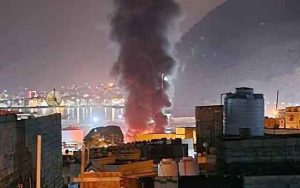 ly volatile situation.