
NEWS
U.S. Slaps 12.5% Tariff on Nigerian Exports Over Forced Labour Import Ban Concerns

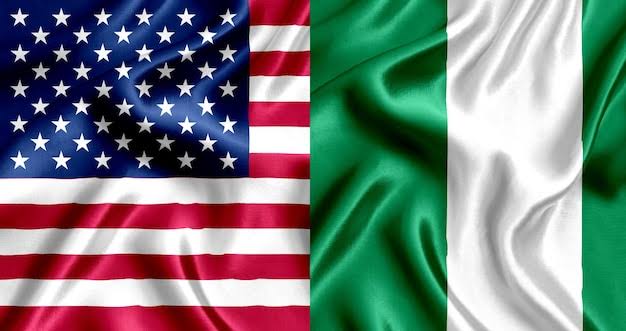
The United States has imposed a new 12.5% tariff on all products imported from Nigeria, following a determination that the country failed to establish and effectively enforce a ban on the importation of goods produced with forced labour.
The decision was announced by the Office of the United States Trade Representative (USTR) in a notice released on Thursday after the conclusion of a Section 301 investigation into the trade practices of 60 economies, including Nigeria.
According to the USTR, Nigeria was among 54 economies found to have failed to put in place and effectively enforce measures prohibiting the importation of goods produced wholly or partly through forced labour.
As a result, Nigerian exports entering the U.S. market will now attract an additional 12.5% duty, except for products covered under specific exemptions outlined in the notice.
The new tariff officially takes effect from 12:01 a.m. Eastern Time on July 24, 2026, although the U.S. government has provided a brief grace period for goods that were already in transit before the implementation date.
The USTR explained that countries which have already enacted and enforced laws banning the importation of forced labour products, committed to implementing such measures through an Agreement on Reciprocal Trade (ART), or established partial regimes restricting certain forced labour goods, would instead be subject to a lower 10% tariff.
Nigeria, however, was placed in the higher tariff category alongside dozens of other economies that the U.S. said had not taken adequate steps to address the issue.
The investigation, launched in March 2026 under Section 301 of the U.S. Trade Act of 1974, examined whether the targeted economies had legal frameworks prohibiting the importation of goods produced with forced labour and whether those laws were being effectively enforced.
According to the USTR, the review process was extensive, attracting more than 1,600 public comments and testimony from over 100 witnesses, including representatives of governments, industry associations, domestic manufacturers and non-governmental organisations, before the final determination was reached.
The U.S. government also noted that several countries, including Cambodia, Guatemala, Honduras, India, Sri Lanka and Trinidad and Tobago, introduced prohibitions on forced labour imports during the course of the investigation, while Jordan committed to implementing similar measures through an Agreement on Reciprocal Trade.
Despite the new tariff regime, the USTR outlined several exemptions covering categories such as informational materials, charitable donations, accompanied baggage, products already subject to Section 232 tariffs, and other specified goods listed in annexes to the order where additional duties could negatively affect U.S. supply chains or fail to effectively address the concerns surrounding forced labour.
The latest trade measure is expected to have significant implications for Nigerian exporters seeking access to the American market, as businesses may now face increased costs and tougher competition unless future policy changes address the concerns raised by U.S. authorities.