
NEWS
U.S Weighs ‘Mother of All Bombs’ Against Iran’s Energy and Nuclear Facilities as Trump Considers Fresh Strikes

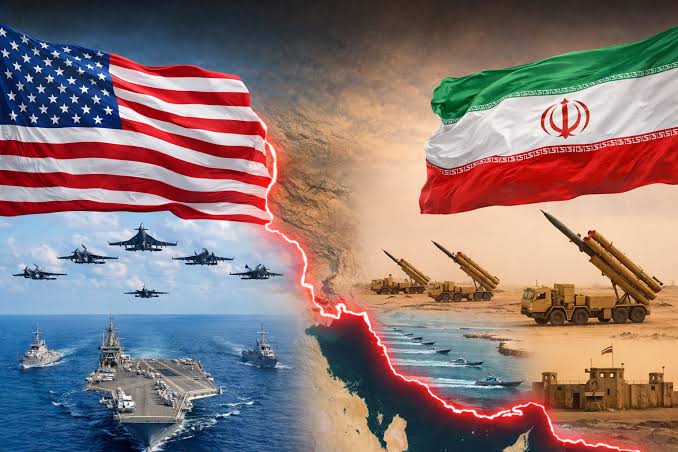
The United States is reportedly considering deploying its largest non-nuclear bomb against Iranian energy infrastructure and nuclear facilities if President Donald Trump authorises a resumption of military strikes, according to a CNN report.
The proposed military operation could involve the GBU-43/B Massive Ordnance Air Blast (MOAB), a powerful weapon widely known as the Mother of All Bombs, as Washington explores additional military options against Tehran.
According to the report, Trump has directed military planners to develop additional strike options targeting Iran’s energy infrastructure, with the massive conventional bomb reportedly among the weapons under consideration. The potential targets could also include Iranian nuclear installations, particularly an underground facility known as Pickaxe Mountain.
However, no final decision to launch the proposed attacks has been reported, leaving uncertainty over whether the United States will proceed with the operation or pursue alternative measures to achieve its objectives.
Sources familiar with the matter indicated that the administration does not discuss sensitive military plans that may or may not exist. The White House has nevertheless maintained that Trump intends to keep all military options available as part of efforts to prevent Iran from acquiring a nuclear weapon.
Weighing approximately 9.8 tonnes, the MOAB is among the most powerful conventional bombs in the US military arsenal. It is designed to generate an enormous blast across a wide area, making it particularly suited to destroying or clearing extensive surface-level targets.
Despite its destructive capability, the weapon’s potential deployment against deeply buried Iranian nuclear facilities has raised questions about its effectiveness. Unlike specialised bunker-busting weapons designed to penetrate hardened underground structures, the MOAB primarily delivers a massive explosive blast rather than penetrating deeply into the ground.
A person familiar with the military planning reportedly described the weapon as effective for clearing large areas but not designed to function as a deep-penetration warhead.
The distinction could prove critical if Washington considers using the bomb against facilities protected by thick layers of rock and underground fortifications. Such installations may require different weapons or a combination of military capabilities to cause significant damage.
Beyond questions about its military effectiveness, the proposed operation could also trigger serious humanitarian concerns, particularly if energy infrastructure near populated areas becomes a target. The extensive blast radius of the MOAB could put civilians at risk and potentially damage surrounding facilities, depending on where and how the weapon is deployed.
The bomb was first used in combat by the United States in April 2017, during Trump’s first presidential administration. It was dropped on an Islamic State tunnel complex in Afghanistan as part of an operation targeting militant positions.
Its possible use against Iran would represent a markedly different operational context, particularly given the strategic importance of the country’s energy sector and the challenges associated with attacking underground nuclear installations.
CNN’s report further indicated that US military planners had developed other potential military options as the Trump administration considers ways to bring the conflict with Iran to an end. The availability of alternative plans suggests that Washington is examining different approaches rather than relying exclusively on the MOAB.
Trump has repeatedly insisted that Iran must not be allowed to develop or acquire a nuclear weapon, maintaining that further military action remains a possibility if his administration considers it necessary.
For now, the reported consideration of the Mother of All Bombs underscores the scale of the military options being examined by Washington. Whether the weapon will ultimately be deployed remains uncertain, but any decision to use it against Iranian infrastructure or nuclear facilities could carry significant military, diplomatic and humanitarian consequences.