
NEWS
GOVERNING THE ECONOMY II: GOV. OTTI UNVEILS HARD CHOICES, WARNS OF CRITICAL TRADE-OFFS AHEAD OF 2027 ELECTIONS

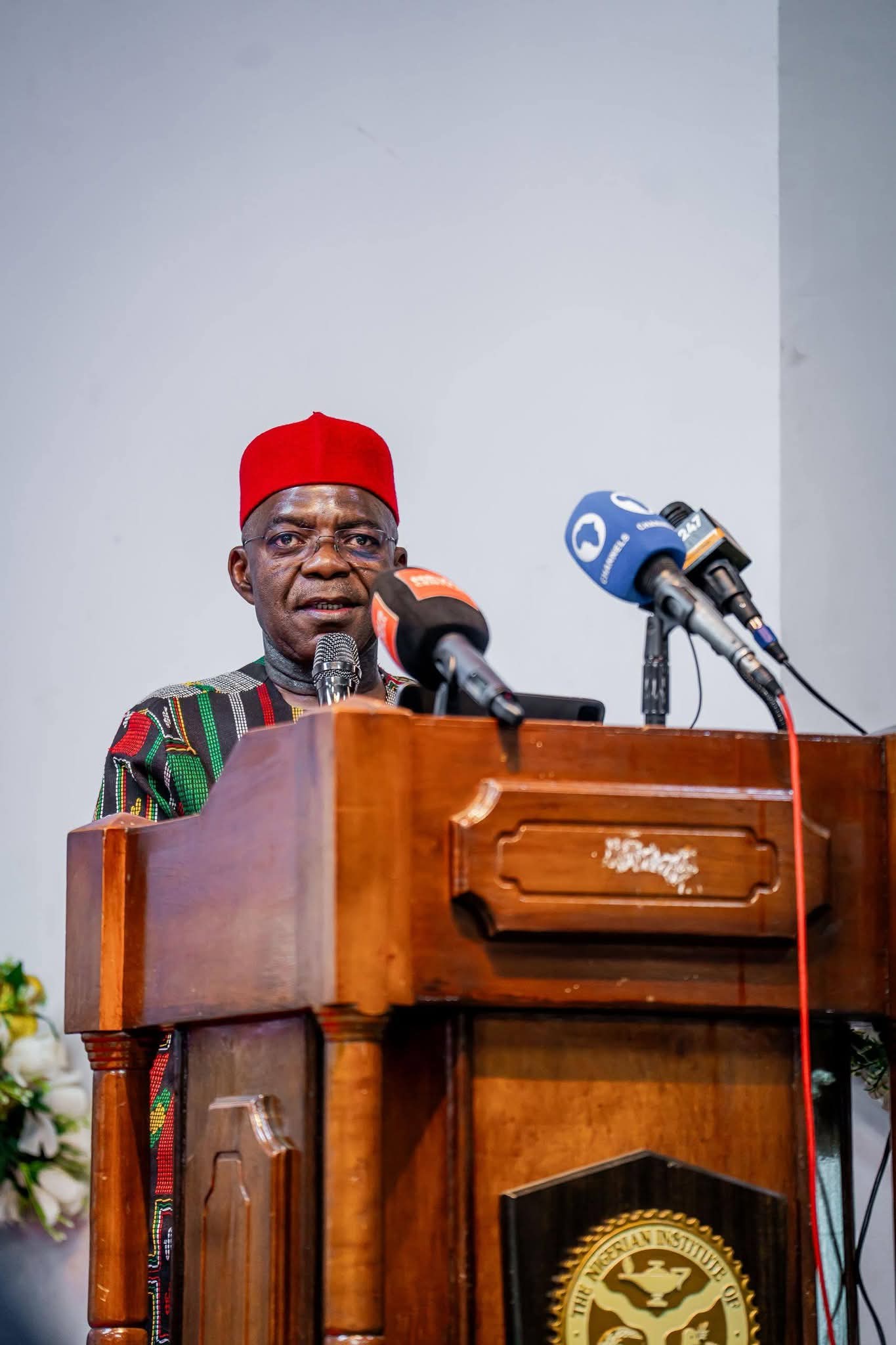
— Calls for End to Waste, Stronger Institutions, and Citizen Awareness as Nigeria Faces Defining Political Moment
The Governor of Abia State, Dr. Alex Otti, OFR, has delivered a compelling and thought-provoking conclusion to his economic policy lecture, urging Nigerians to confront the difficult choices, trade-offs, and priorities that will shape the nation’s future, particularly as the 2027 general elections draw closer.
Speaking at the 5th edition of The Niche Annual Lecture Series held at the Nigerian Institute of International Affairs in Lagos, Governor Otti emphasized that true development must go beyond mere increases in Gross Domestic Product (GDP), stressing that it should reflect in the lived realities of citizens through job creation, poverty reduction, inclusiveness, and equitable growth.
He cautioned against a narrow focus on physical infrastructure without proper evaluation of long-term economic and social returns, noting that every public investment must be weighed against competing demands to ensure optimal outcomes.
On social welfare policies, Governor Otti raised critical concerns about sustainability, questioning the long-term value of large-scale cash transfers and food distribution programmes. He advocated instead for productive investments in sectors such as agriculture, power, and public works, which can generate employment and preserve the dignity of citizens.
Describing the persistent abandonment of viable projects due to political transitions as a major drain on public resources, the governor warned that governance driven by personalities rather than institutions continues to undermine national progress.
Drawing comparisons with other nations, Otti argued that Nigeria’s challenges are less about resource limitations and more about poor political and economic choices. While reaffirming democracy as the best path to inclusive development, he pointed to voter ignorance, weak party structures, and fragile institutions as barriers to achieving its full benefits.
With the 2027 elections on the horizon, he described the period as a defining moment for Nigeria, urging citizens to take civic education seriously.
According to him, key issues such as poverty, employment, security, and fiscal responsibility will all be on the ballot, making it imperative for voters to make informed decisions.
“To take the population out of unemployment and poverty,” he explained, “difficult trade-offs must be made,” including reducing dependence on foreign goods and reassessing public spending priorities.
Governor Otti called for a structured approach to project planning and execution, insisting that no project should commence without guaranteed funding continuity beyond the tenure of any administration. He also stressed that governments must complete ongoing projects before initiating new ones, except where absolutely necessary.
He underscored the importance of shared sacrifice, but noted that such sacrifices must be tied to clear goals and visible outcomes to maintain public trust.
According to him, leadership must set the example by cutting down on wasteful expenditures such as luxury vehicles, extravagant events, and unnecessary foreign trips.
Highlighting his administration’s reforms since 2023, the governor revealed that Abia State has implemented a centralized vehicle management policy, eliminated thousands of ghost workers through technology-driven audits, and expanded its internally generated revenue by over 300 percent.
He attributed this success largely to increased transparency and public confidence, noting that citizens are more willing to support government initiatives when they can see tangible results.
On infrastructure, Governor Otti identified power and transportation as critical enablers of economic growth. He reiterated that reliance on generators is unsustainable and highlighted ongoing collaborations with private sector players, including efforts to expand electricity access beyond Aba through strategic partnerships.
He also disclosed plans for a rail master plan aimed at boosting regional integration and economic activity, while reaffirming the state’s commitment to modern public transportation systems, including the expansion of its electric bus fleet.
In the social sector, the governor noted that his administration has consistently allocated significant portions of its budget to health and education, describing them as essential pillars of long-term development.
Addressing security concerns, he warned that insecurity remains a major threat to economic progress, draining resources and stifling productivity. He welcomed ongoing discussions around state policing, expressing optimism that it would enhance local security architecture and stakeholder participation.
Concluding his lecture, Governor Otti reiterated that economic outcomes are deeply tied to political decisions, calling on citizens, especially young professionals to become more actively engaged in governance and political discourse.
He emphasized that building strong institutions, ensuring transparency, and electing competent leaders are critical steps toward sustainable development, noting that meaningful change requires consistent civic engagement and accountability.
The lecture, delivered on April 23, 2026, forms the concluding part of Governor Otti’s presentation at the prestigious annual event, where he laid out a bold vision for economic governance anchored on discipline, inclusiveness, and long-term national interest.