
NEWS
Over 23 Terrorists Killed as Boko Haram, ISWAP Renew Deadly Clashes in Sambisa Forest

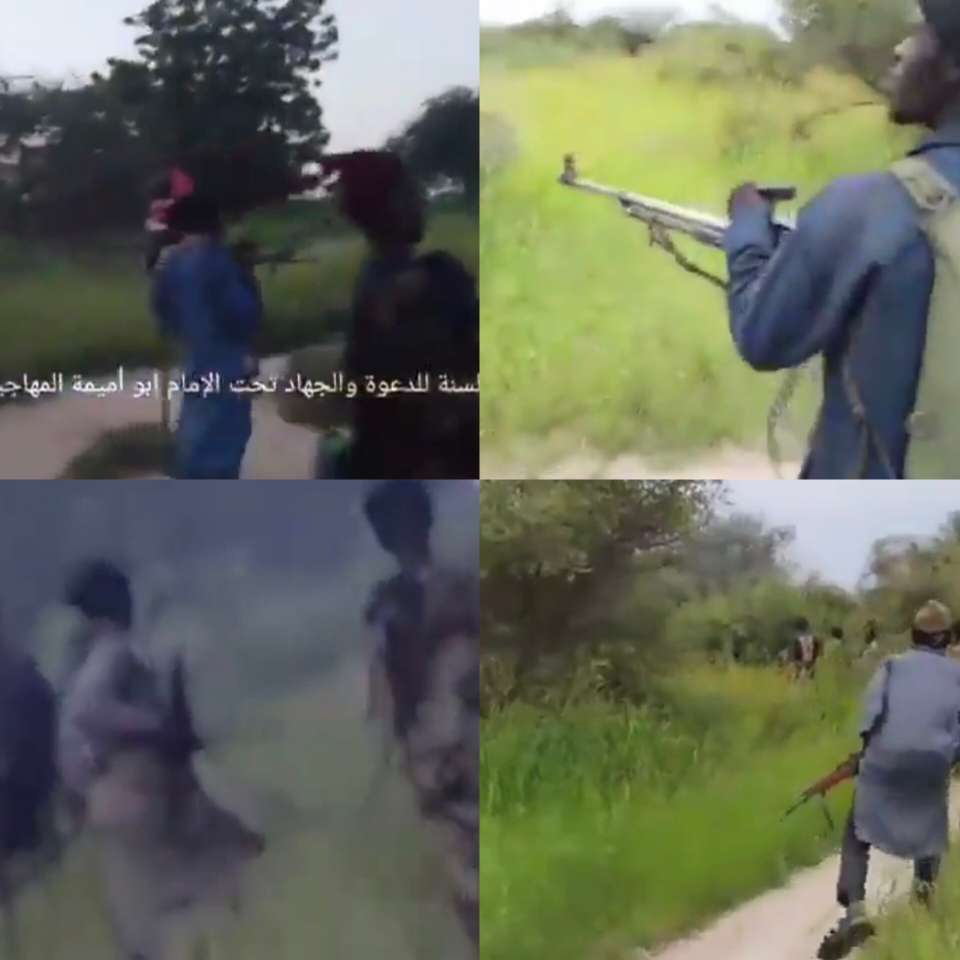
More than 23 terrorists have reportedly been killed in renewed deadly clashes between rival insurgent groups, Boko Haram and the Islamic State West Africa Province (ISWAP), in the Sambisa Forest area of Borno State.
The latest confrontation reportedly took place around the Chingolo axis of Bama Local Government Area, amid growing tensions between the two terrorist factions as they battle for territorial influence and operational dominance in the forest.
Counter-terrorism expert, Zagazola Makama, disclosed the development in a post on X, stating that Boko Haram fighters attacked ISWAP members who were advancing into the area.
According to Makama, the confrontation is part of a renewed wave of hostilities between the two groups that began about two days ago, further highlighting the deep rivalry that has persisted between the factions since their split.
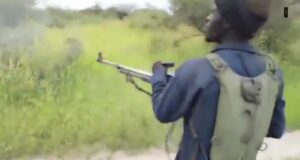
He said available footage from the area indicated that the fighting involved sustained exchanges of gunfire, with both sides attempting to consolidate their positions while preventing their rival from expanding its influence.
Makama stated that preliminary intelligence suggested that more than 23 terrorists had been killed on both sides since the latest round of fighting began. However, the precise casualty figures attributed to Boko Haram and ISWAP could not immediately be independently verified.
The counter-terrorism expert explained that the latest confrontation is believed to be linked to the long-running struggle between the two factions over territory, access routes, resources and control of fighters operating within the Sambisa Forest and surrounding communities.
The Sambisa Forest has historically remained a significant operating environment for insurgent groups in Borno State, providing difficult terrain that has been exploited by terrorists to establish hideouts, move personnel and conduct attacks.
Makama further disclosed that the latest fighting around Chingolo reportedly began after ISWAP elements moved into the area, prompting Boko Haram fighters to launch an attack against the advancing group.
The development, he noted, could further weaken the operational capabilities of both factions, particularly as they expend personnel and resources fighting one another instead of directing their activities solely against security forces and civilian targets.
He added that the clashes could also disrupt the movement and activities of terrorists within the affected area, potentially creating new opportunities for security agencies to intensify intelligence-led operations against weakened factions.
According to the security expert, Nigerian security forces are closely monitoring developments and exploiting available intelligence regarding the movements and activities of the rival terrorist groups.
He noted that the renewed infighting could place additional pressure on both Boko Haram and ISWAP as military operations against terrorist formations continue across the North-East.
“The military has continued to target terrorist concentrations, logistics networks and hideouts as part of efforts to degrade the insurgents and deny them freedom of action.
“However, security officials have urged communities in areas surrounding the Sambisa Forest to remain vigilant and promptly report suspicious movements to
 the authorities,” he said.