
NEWS
CBN Probes Banks Over Alleged Restrictions on Domiciliary Account Dollar Withdrawals

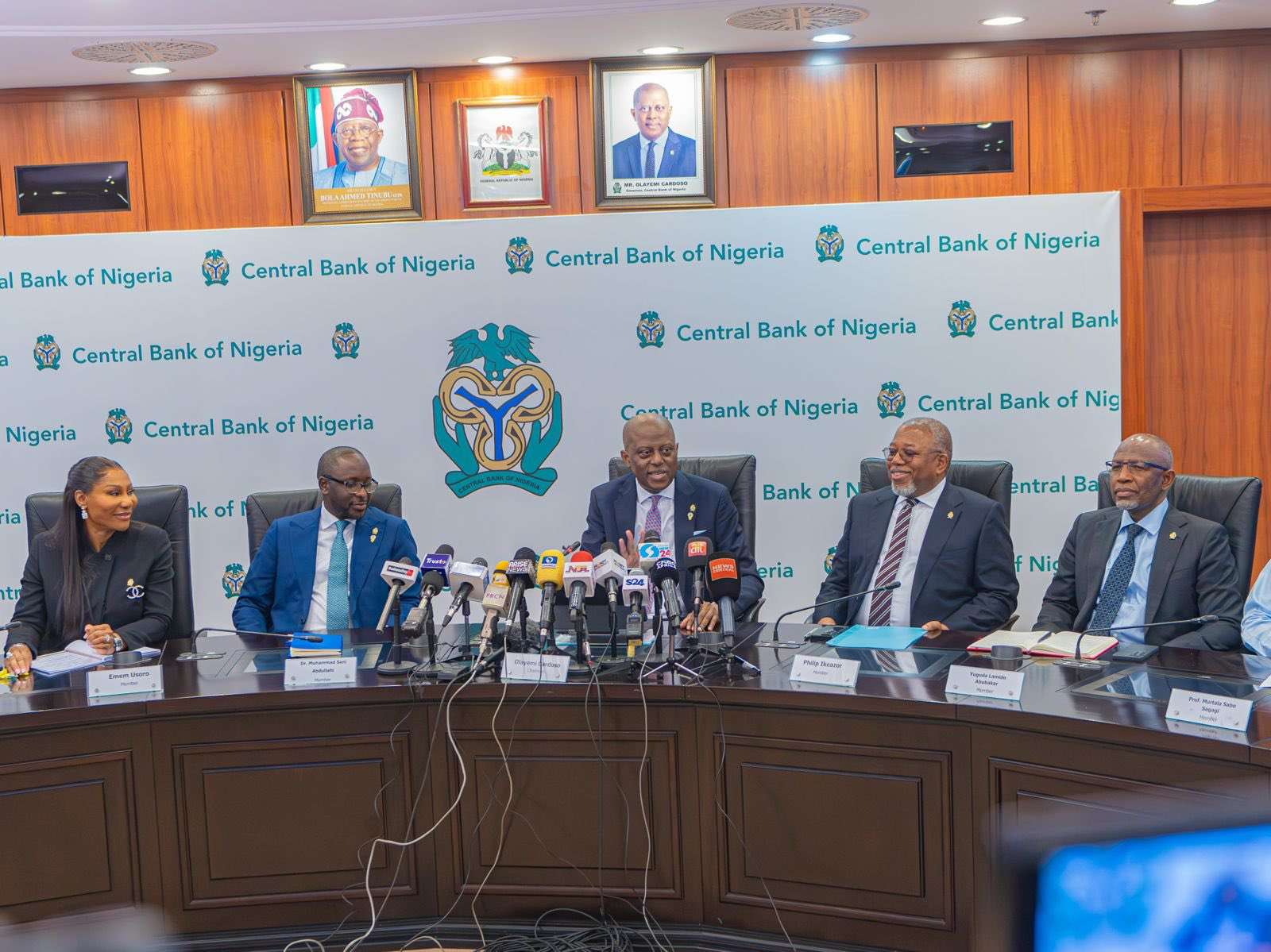
The Central Bank of Nigeria (CBN) has commenced investigations into complaints alleging that some commercial banks are restricting customers from accessing cash held in their domiciliary accounts.
The development comes amid growing complaints from account holders who say they have encountered difficulties withdrawing foreign currencies, particularly US dollars and British pounds, despite having legitimate balances in their domiciliary accounts.
The apex bank is reportedly examining the complaints with a view to ensuring that customers who meet the applicable requirements can access their foreign currency deposits without unnecessary restrictions or delays.
Reports gathered by Financial Vanguard indicated that commercial banks have adopted varying measures in handling over-the-counter foreign currency withdrawals.
Some customers reportedly encountered limits on the amount of cash they could withdraw, while others were allegedly informed that particular foreign currencies were unavailable at the time of their requests.
In other instances, banks were said to have offered customers lower denominations of foreign currency notes. Some account holders were reportedly offered $20 notes, a development that raised concerns among customers who felt the practice could discourage them from proceeding with their withdrawal requests.
One customer of an old-generation bank reportedly sought to withdraw $5,000 from a domiciliary account but was informed that the bank could only provide $3,000.
The customer was also reportedly told that even if he returned the following day, there was no certainty that the full $3,000 would be available for collection.
At another new-generation commercial bank, a customer who requested US dollars was reportedly informed that the currency was unavailable and advised to continue checking with the bank.
However, the reported scarcity appeared inconsistent with the experiences of some other customers.
Another customer at the same bank reportedly said he had successfully withdrawn $1,000, while a customer at another commercial bank in Victoria Island, Lagos, also said he collected $1,000.
The Victoria Island customer reportedly claimed that $1,000 represented the maximum amount that could be withdrawn over the counter at the bank, with the restriction allegedly linked to foreign exchange scarcity.
The differing experiences have heightened concerns among domiciliary account holders, particularly customers who expect reasonable access to their legitimate foreign currency deposits whenever they satisfy the applicable withdrawal requirements.
CBN Moves to Address Complaints:
A source close to the CBN reportedly disclosed that the apex bank was already aware of the complaints and was working on measures to address the situation.
According to the source, the regulator had received several complaints from members of the public concerning difficulties encountered when attempting to withdraw cash from domiciliary accounts, including instances where customers believed their requests met the requirements governing such accounts.
The complaints reportedly cover practices and arrangements that could make the processing of legitimate foreign currency withdrawal requests unnecessarily difficult or delayed.
The CBN is consequently expected to consider issuing a directive requiring commercial banks to discontinue practices that unnecessarily restrict or delay legitimate cash withdrawal requests.
The anticipated intervention could also require banks to review their existing procedures and take steps to ensure that customers with legitimate withdrawal requests are properly attended to in accordance with applicable banking regulations.
Allegations of Banks Holding Back Available Forex Cash:
The situation has also triggered allegations from banking sources that some commercial banks may be retaining available foreign currency cash instead of releasing it to customers who request withdrawals.
Sources cited in the report alleged that some banks could be deploying available foreign currency cash for other transactions rather than dispensing it to domiciliary account holders seeking legitimate withdrawals.
Such practices, if established, could further intensify concerns among customers who expect their foreign currency deposits to be reasonably accessible under the applicable banking rules.
The CBN’s reported intervention is therefore expected to centre on ensuring compliance by commercial banks and preventing unnecessary barriers to legitimate foreign currency cash withdrawals.
For domiciliary account holders, the development could provide clarity on the extent to which banks may limit over-the-counter foreign currency withdrawals and the procedures customers should follow when seeking access to their deposits.
As the investigation progresses, attention will remain focused on the CBN’s regulatory response and whether commercial banks will be required to make changes to their current foreign currency cash withdrawal practices.