
NEWS
China Enforces Landmark Law Mandating Verified Qualifications for Social Media Influencers on Sensitive Topics

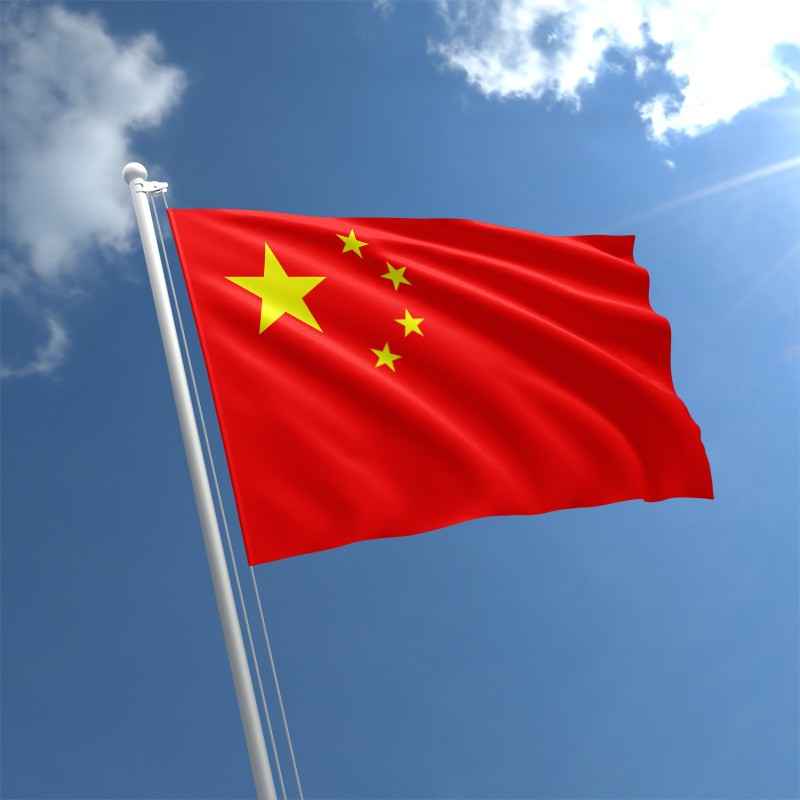
In a sweeping move to curb online misinformation and enhance digital accountability, the Chinese government has implemented a new law requiring social media influencers to obtain verified professional qualifications before discussing specialized subjects such as medicine, law, education, and finance. The law, which officially came into effect on Saturday, marks one of the most comprehensive influencer regulations in the country’s history.
The regulation, introduced by the Cyberspace Administration of China (CAC), is part of Beijing’s ongoing effort to establish a “clean and trustworthy online environment.” It aims to ensure that professional knowledge shared on digital platforms comes from credible and qualified sources, not entertainers or unverified content creators.
Under the new law, influencers must present recognized degrees, certifications, or licenses before producing or sharing content related to sensitive fields. Major Chinese social media platforms such as Douyin (China’s version of TikTok), Bilibili, and Weibo are now mandated to verify these credentials. They must also ensure that creators cite credible sources, include disclaimers, and disclose whether their posts involve AI-generated content or dramatized interpretations.
Furthermore, platforms are required to conduct digital literacy campaigns to educate users about the responsibilities associated with posting and sharing information online.
A key provision of the law prohibits advertising of medical services, supplements, and health products, a sector often plagued by covert promotional content disguised as educational material. The CAC has ordered platforms to tighten their oversight systems to detect and remove false or misleading claims that could harm public welfare.
The introduction of the new regulation follows a series of nationwide crackdowns on fake news, online scams, and unverified health advice that have proliferated across China’s internet space in recent years. Authorities emphasized that the law is not designed to stifle creativity or free expression but to promote responsible communication and protect citizens from misinformation.
Observers note that this legislation reflects Beijing’s increasing scrutiny of influencer culture, recognizing the immense power digital creators wield in shaping public perception, consumer behavior, and even social discourse. Failure by platforms to enforce these measures could result in financial penalties, stricter audits, or operational restrictions.
Analysts also believe this move may set a precedent for global online governance, as misinformation continues to challenge societies worldwide. With digital creators now expected to balance creativity with credibility, the new law reinforces the principle that influence carries responsibility.
In a rapidly evolving digital age, where a single post can reach millions within seconds, China’s approach underscores a growing international concern, that unchecked misinformation can inflict real-world harm, whether through misguided financial advice or viral health trends.
Ultimately, the CAC’s directive seeks to create an online ecosystem where expertise, not popularity, defines authority ensuring that those who educate or advise the public are not just influential, but also informed.