
NEWS
Igbo Leaders Demand United Igbo Region, Call for Suspension of 2027 Elections Until Restructuring Is Completed

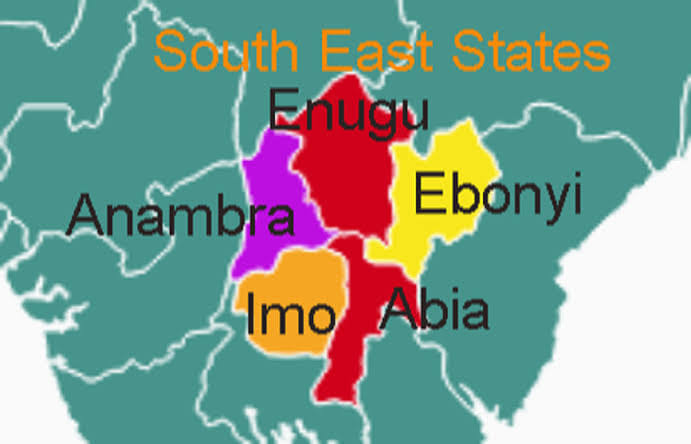
Igbo leaders under the umbrella of the Igbo Leaders of Thought (ILT) have renewed their call for a fundamental restructuring of Nigeria, proposing the creation of a united Igbo Region that would extend beyond the present boundaries of the South-East.
The leaders also called for the temporary suspension of the 2027 general elections, arguing that the country should first complete a restructuring process before proceeding with another nationwide electoral cycle.
The position was contained in a statement titled ‘Igbo Position on the Restructuring of Nigeria,’ issued in response to and rejection of the communiqué produced at the August 20, 2026 Abuja restructuring conference.
At the centre of the ILT proposal is the creation of a broader political region that would bring together the five existing South-East states, prospective Anioma, parts of Rivers State and Igbo-speaking or Igbo communities located in several neighbouring states.
Specifically, the proposed united Igbo Region would comprise Abia, Anambra, Ebonyi, Enugu, Imo, prospective Anioma, Rivers State, as well as Igbo communities in parts of Akwa Ibom, Bayelsa, Benue, Cross River, Edo and Kogi states.
The leaders argued that the restructuring debate should not be limited to administrative adjustments but should address what they described as the foundational problems underlying Nigeria’s political system.
According to the group, the roots of Nigeria’s challenges can be traced to the circumstances surrounding the 1914 amalgamation, which they argued was not based on the consent of the various peoples brought together.
“By 2014 many had come to the understanding that the problem is foundational: that the non-consensual nature of the ‘union’ would continue to make it a violent, shaky and largely unproductive experiment,” they said.
The ILT maintained that addressing Nigeria’s structural challenges requires a new political framework capable of accommodating the country’s ethnic nationalities and regional interests.
A major aspect of the proposal concerns the 2027 general elections. Rather than allowing the next elections to proceed under the existing constitutional and political arrangement, the group proposed that the restructuring exercise should be completed before May 2027, with the elections temporarily suspended during the process.
“Duration of restructuring exercise should conclude before May 2027, with elections temporarily put on hold by an act of necessity, and resumed on post-restructuring principles,” the statement read.
The proposal places restructuring ahead of the 2027 electoral timetable and envisages elections being conducted under a new political arrangement after the restructuring process has been concluded.
Beyond regional restructuring, the Igbo leaders also expressed support for what they described as the right of Nigeria’s ethnic nationalities to determine their political future.
The group backed “the right to self-determination for Nigeria’s ethnic nationalities, regardless of size”, while advocating regional or nationwide referendums as a mechanism through which Nigerians and the country’s constituent ethnic nationalities could determine the future political structure of the federation.
Another significant demand contained in the statement was the unconditional release and rehabilitation of detained IPOB leader Nnamdi Kanu and his colleagues.
The ILT described the demand as a necessary confidence-building measure in the broader conversation about Nigeria’s future, calling it a “gateway to mutual trust and confidence” in discussions on restructuring.
The leaders further proposed replacing Nigeria’s existing 36-state structure, local government areas and geopolitical zones with a new 10-region political structure.
Under the proposed arrangement, greater responsibilities would be transferred to the regions, with the centre retaining functions agreed upon by the constituent regions.
The proposal also includes regional resource control and regional police, reflecting the group’s broader argument for greater political and economic autonomy at the regional level.
On the question of ownership and control of natural resources, the ILT called for a substantial alteration of the existing federal arrangement.
“Resource ownership and control reverts to the Regions, which would fund the centre on agreed terms.”
The proposal therefore envisages a federation in which regions would exercise greater control over their resources and contribute an agreed portion to the central government, rather than having the centre retain the dominant role in resource ownership and revenue distribution.
The ILT’s position adds another dimension to the continuing national debate over restructuring, federalism, regional autonomy, resource control, self-determination and the future political architecture of Nigeria.
Its rejection of the August 20 Abuja restructuring communiqué and its alternative proposals are likely to further fuel discussions ahead of the 2027 political season, particularly over whether Nigeria’s existing constitutional structure can adequately address longstanding demands for greater regional autonomy and representation.