
NEWS
Plateau Pastor Calls Down Curses on Reno Omokri Over Comments on Christian Killings, Says Only Repentance Can Save Him

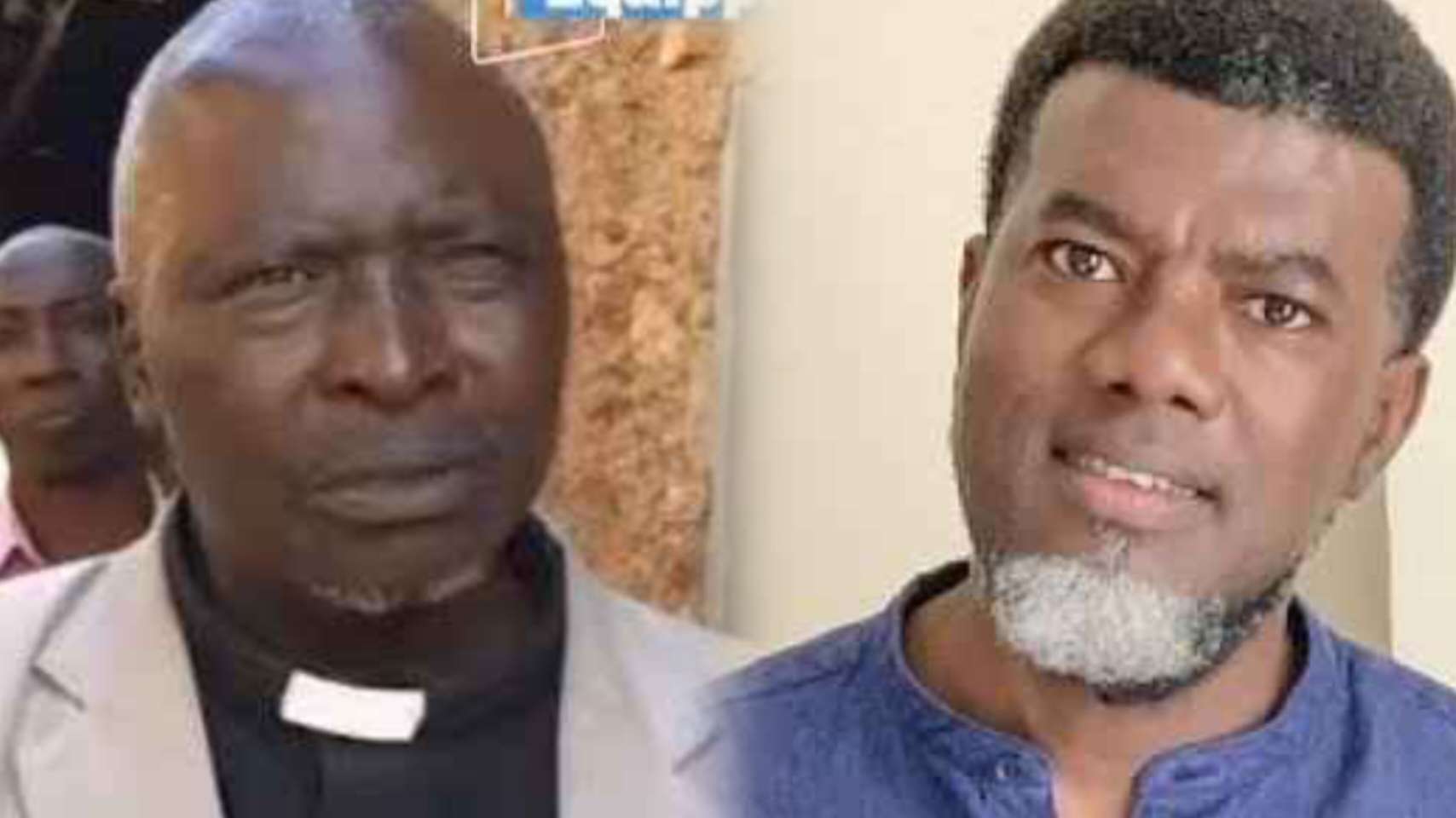
A viral video circulating across social media platforms has captured the moment Reverend Ezekiel Dachomo, a fiery and outspoken cleric from Plateau State, pronounced curses on Nigerian author and social media personality, Reno Bemigho Omokri.
Reverend Dachomo, who serves as the Regional Chairman of the Church of Christ in Nations (COCIN) in Barkin Ladi Local Government Area, was seen visibly furious as he condemned Omokri for allegedly denying the ongoing genocide against Christians in parts of Northern Nigeria.
In the video, the cleric accused Omokri of compromising his integrity through questionable affiliations with political authorities. He declared that the former presidential aide had “crossed the line” by making statements that, according to him, downplay the persistent killings of Christians across Nigeria.
Reverend Dachomo emphatically declared that the only path to redemption for Omokri and for any official of the Christian Association of Nigeria (CAN) who shares his stance is repentance. He warned that failure to repent would bring divine judgment upon them, insisting that they “will not escape the curse.”
The viral footage has triggered a wave of online reactions, particularly on X (formerly Twitter), where numerous users have tagged Reno Omokri, urging him to seek forgiveness from the pastor to avert the alleged spiritual consequences.
Reverend Ezekiel Dachomo is well known for his consistent advocacy on behalf of persecuted Christians in Nigeria. Over the years, he has spoken strongly against what he terms the “genocide” targeting Christian communities in the Middle Belt and northern regions of the country.
He has also gained attention for conducting mass burials for victims of attacks by suspected Fulani militants, often sharing graphic videos and reports of these tragic events to raise awareness among the Nigerian public and the international community.
The latest controversy adds to the growing tension surrounding religious violence in Nigeria and the sharp divide in public opinion about how it is portrayed and addressed by both local and international figures.