
NEWS
Lagos State Govt Poised to Transform Landlord-Tenant Relations with Landmark Tenancy Reform Bill 2025

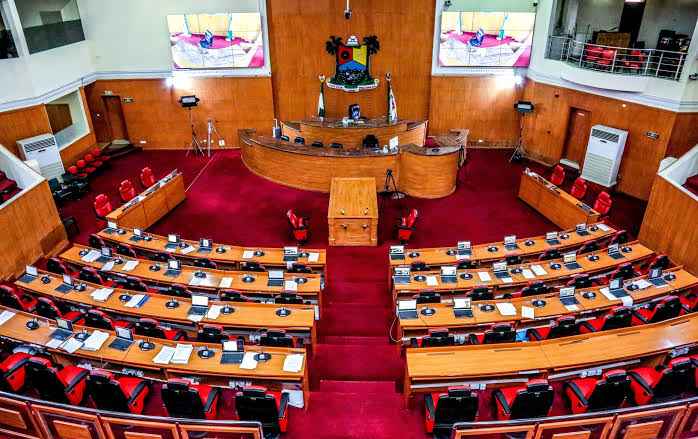
Lagos State is on the brink of a major overhaul of its rental sector as the Tenancy and Recovery of Premises Bill 2025 undergoes scrutiny and debate in the State House of Assembly. While the Bill is yet to be passed into law, leaked provisions have already sparked optimism that decades of tension between landlords and tenants may soon be addressed.
The Bill represents a landmark reform initiative designed to modernise rental regulations across Africa’s most populous city. Among its key objectives is the restructuring of the landlord-tenant relationship through measures that cap advance rent payments, regulate the activities of estate agents, provide tenants with legal protections against arbitrary rent increases, and introduce faster, more transparent eviction procedures.
As a city grappling with rapid urbanisation and population growth, Lagos faces persistent housing challenges. Excessive demands for advance rent, unregulated real estate practices, and prolonged eviction disputes have long strained the rental market. Experts agree that the state’s existing tenancy laws are ill-equipped to handle these modern pressures, prompting lawmakers to propose the new legislation.
The Lagos rental market is notorious for the dominance of estate agents, many of whom operate with minimal oversight and often prioritise their commissions over fairness to tenants. The proposed Bill seeks to reform this system by mandating that all estate agents register with the Lagos State Real Estate Regulatory Authority (LASRERA). Additionally, the Bill caps agents’ fees at 5 percent of the rent value, a significant reduction from the current 10 percent or arbitrary charges that tenants routinely face. Agents would also be required to remit collected funds to landlords within seven working days and issue proper receipts to ensure transparency. Violations of these provisions could attract penalties of up to ₦1 million, two years’ imprisonment, or both, signaling a strict approach to professionalising the sector and shielding tenants from exploitation. The reform aims to eliminate longstanding abuses, including double-renting scams, inflated commissions, and fraudulent practices that have repeatedly victimised Lagos tenants.
Perhaps the most transformative aspect of the Bill is its limitation on advance rent payments. New tenants will no longer be required to pay more than one year in advance, while existing tenants who pay monthly cannot be forced to pay more than three months ahead. Offering or accepting rent beyond these limits would constitute an offence, punishable by a ₦1 million fine or three months imprisonment. Many tenants view this provision as life-changing, as excessive advance rent has historically pushed renters into debt and, in some cases, homelessness. Critics caution, however, that Lagos’ intense housing demand could complicate practical enforcement, particularly in the absence of affordable government-provided alternatives.
While the Bill does not regulate rent prices directly, it provides tenants with legal recourse against unreasonable rent increases. Courts will be empowered to assess whether proposed hikes are justified, taking into account special circumstances of the property. Crucially, landlords cannot proceed with evictions while such disputes are under judicial review, offering a critical layer of protection in a market where rent can surge 50 to 200 percent without prior notice.
As debates continue in the Lagos State House of Assembly, stakeholders from across the rental ecosystem are watching closely. If enacted, the Tenancy and Recovery of Premises Bill 2025 promises to professionalise Lagos’ real estate sector, empower tenants, and foster a fairer, more transparent housing market.