
NEWS
DR Congo Ebola Outbreak Becomes Deadliest in Country’s History as Death Toll Surpasses 2,300

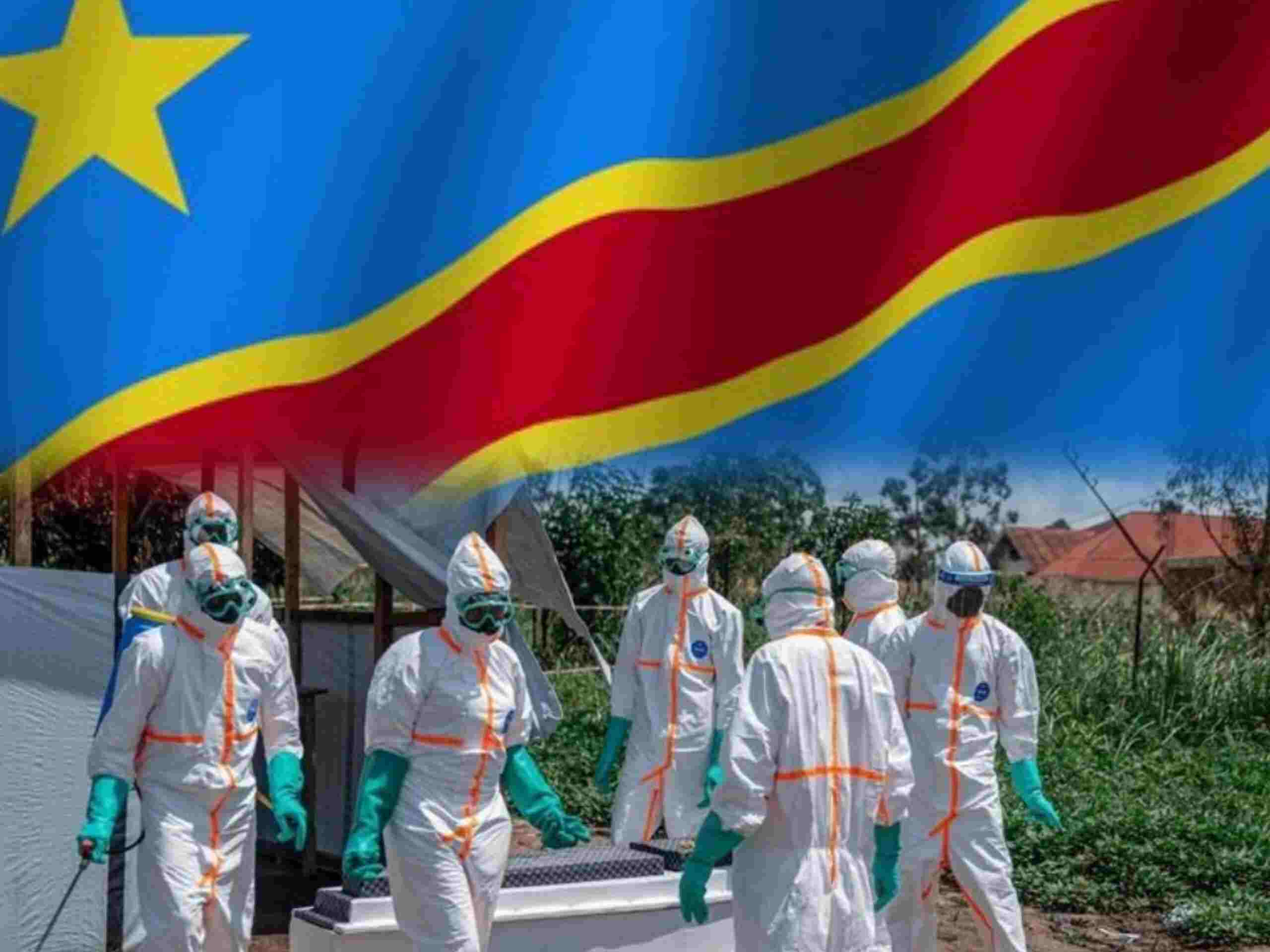
The Ebola outbreak in the Democratic Republic of Congo (DR Congo) has become the deadliest in the country’s history, with the death toll climbing to 2,325, according to the latest government data released on Sunday.
The figure surpasses the 2,299 deaths recorded during the country’s 2018–2020 Ebola outbreak, which had previously been regarded as the worst Ebola epidemic in DR Congo.
The country’s public health institute also reported a sharp increase in infections, with confirmed cases rising to 4,945 after 101 new cases were detected within a 24-hour period.
The outbreak, which is the 17th Ebola epidemic recorded in DR Congo, had already surpassed all previous outbreaks in the country in terms of confirmed cases. That grim milestone was reached in late July, but the latest mortality figures have now placed the current epidemic firmly as the country’s most devastating.
Deaths Rising at Alarming Rate:-
The speed at which fatalities have accumulated has raised fresh concerns among public health authorities and international health organisations.
The current outbreak was formally declared about three months ago, yet it has already recorded more than 2,300 deaths. That makes it the second-deadliest Ebola outbreak ever recorded globally, behind the devastating 2014–2016 West Africa epidemic.
According to the World Health Organization, the West African outbreak recorded 28,616 cases and 11,310 deaths across Guinea, Liberia and Sierra Leone.
The contrast in the speed of fatalities is particularly striking. It took nearly five months after the declaration of the West African outbreak for deaths to reach 1,000. DR Congo’s current outbreak, however, reached 2,000 deaths in less than three months.
Health officials are increasingly concerned that delays in identifying infected people and getting them into treatment are contributing significantly to the mounting death toll.
Nearly Half of Confirmed Patients Dying:-
Government figures show that the case fatality ratio, the proportion of people who die after being confirmed as infected has risen dramatically.
The ratio stood at approximately 20 per cent in early June but has now climbed to 46 per cent. This means that nearly one in every two confirmed Ebola patients is currently dying from the disease.
Public health experts, however, caution that the increase does not necessarily mean the virus has become more deadly.
Instead, they point to weaknesses in disease surveillance, delayed diagnosis, difficulties with contact tracing and limited access to medical care as major factors behind the worsening fatality rate.
“Normally, as an outbreak progresses, the case fatality ratio should fall as contact tracing improves and patients are identified and treated earlier,” said Thomas Parisch, a public health specialist recently deployed to Democratic Republic of Congo with Médecins Sans Frontières, or Doctors Without Borders.
“Instead, we’re still seeing many cases detected very late, when treatment is less likely to succeed, with many identified only after they die in the community.”
The situation highlights the importance of early detection, rapid isolation and timely access to treatment, particularly in communities where health facilities and disease surveillance systems face significant challenges.
Experimental Treatments and Vaccines Under Review:-
Efforts are continuing to identify additional tools that could help contain the outbreak and reduce fatalities.
A small number of experimental vaccines and therapies are currently being evaluated, while global health authorities are also examining whether existing Ebola treatments could provide additional protection.
However, evidence regarding some of these potential interventions remains limited, with available findings so far largely based on animal studies.
Ebola is a highly infectious viral disease that spreads primarily through direct contact with the bodily fluids of infected people, including those who have died from the disease.
The illness can begin with symptoms such as fever and can progress to vomiting and severe diarrhoea. In serious cases, patients may develop internal and external bleeding, potentially leading to death.
Uganda Brings Separate Outbreak Under Control:-
The Ebola crisis had also crossed DR Congo’s borders into neighbouring Uganda, raising fears that the disease could trigger a wider regional emergency.
Ugandan authorities, however, managed to contain the outbreak, limiting fatalities to two and confirmed infections to 20 before declaring an end to the outbreak in the country last month.
The development offered some reassurance that aggressive surveillance, contact tracing and rapid response can help prevent Ebola from spreading uncontrollably across national borders.
For DR Congo, however, the latest figures underscore the severity of the crisis facing health authorities, with nearly 5,000 confirmed cases and more than 2,300 deaths recorded within just a few months.
As health workers and international partners intensify their response, the immediate challenge remains identifying infections earlier, ensuring patients reach treatment facilities in time and preventing further transmission within communities.