
NEWS
MAGGD Breaks Silence on Umuahia Media Chat Controversy, Rallies Support for Gov. Otti and Warns Against Return of Pre-2015 Media Sensationalism

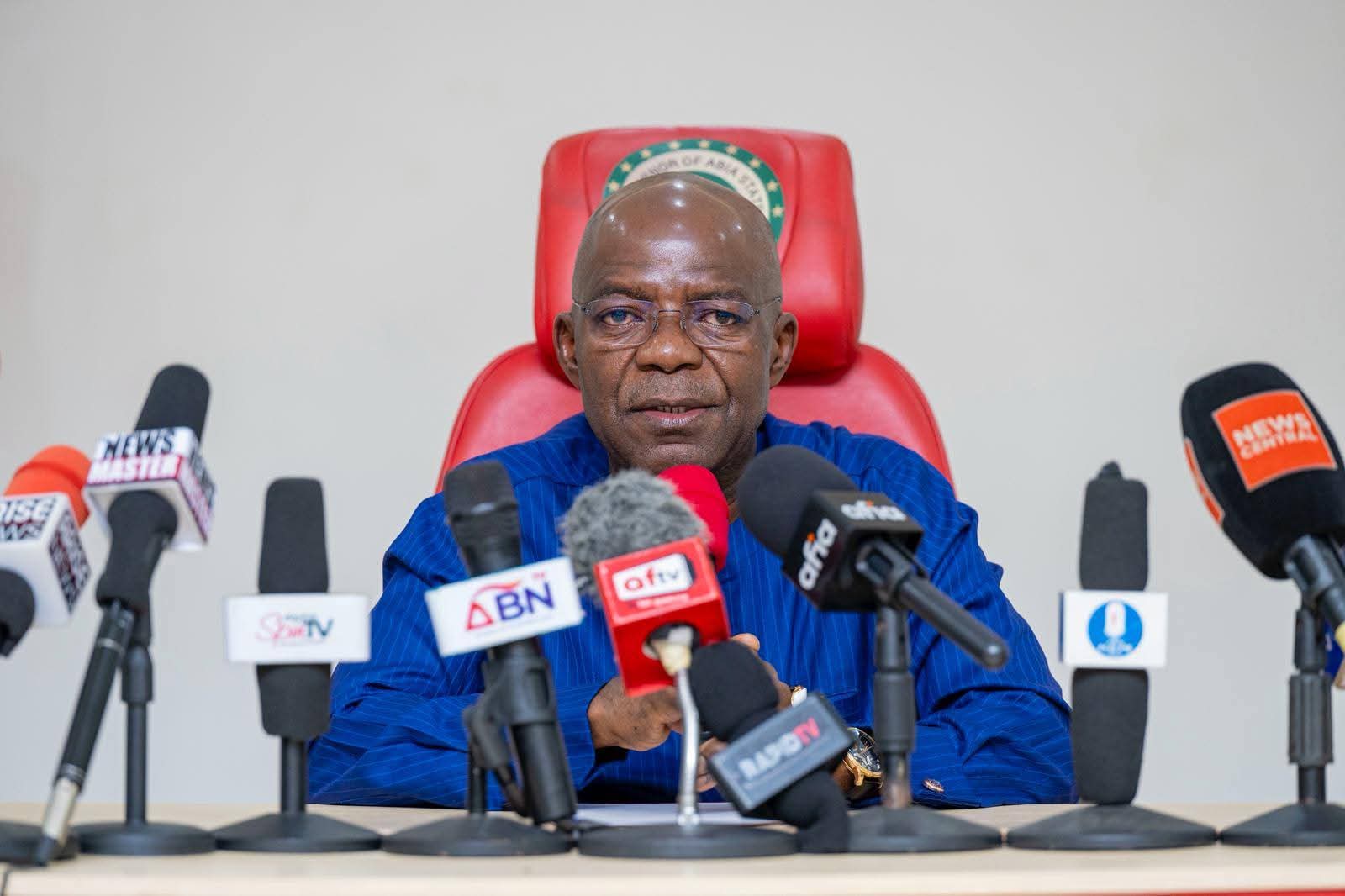
The Media Alliance for Good Governance and Development (MAGGD), a coalition of independent media practitioners in Nigeria, has weighed in on the controversy surrounding a recent media event hosted by the Abia State Governor, Alex Otti, on Friday in Umuahia.
In a strongly worded statement issued on Monday and signed by its Executive Secretary, Nathaniel Onuoha, the group expressed deep concern over what it described as a misplaced priority in public discourse. MAGGD questioned how the Governor’s response to a question at the media interaction suddenly became a dominant subject of national debate, overshadowing what it termed the far more pressing socio-economic challenges confronting Nigeria.
Part of the statement read: “it is unbelievable that at a time millions of Nigerians are unsure of the source of the next meal, when majority of the young people are unable to secure decent employment after years of graduation from institution of higher learning amongst other indicators of socioeconomic crises, the most important subject of debate, for many social media commentators, is a passing remark made by a Governor in Umuahia.”
The coalition further reflected on the specific exchange that sparked the controversy, noting that “agreed that Comrade Chika Nwabueze’s question on Friday could have been handled differently considering Otti’s mild-mannered disposition to public debates and reputation for quiet courage in responding to difficult questions, we however refuse to accept that the level of hostility, especially from the opposition groups in Abia and a few others in the national media space, is justified. We wish that the same level of outrage had been brought to the seemingly intractable challenge of poor power supply, road infrastructure and security in the country. It is unfortunate that a few actors in the media space have jumped into what looks like a local political dispute in Abia without understanding the substance. This is not only dangerous for democracy but for the continuing development of Abia State.”
MAGGD warned against what it described as the creeping return of the sensationalism and media aggression that characterised the political climate of 2014 and 2015. The group vowed to resist any attempt by individuals or groups to hide under the banner of journalism to advance selfish political interests.
Drawing parallels with the pre-2015 media landscape, the body argued that the hostile posture of certain sections of the media during that period contributed significantly to Nigeria’s current economic difficulties.
According to the statement, “Nigeria is now struggling at the very bottom of the pack for the simple reason that voters were misled into thinking that infinitely clueless politicians would usher us into El Dorado. Unfortunately, basic food and household items have since become articles of luxury, reserved exclusively for those who earn in tens millions.”
Dr. Onuoha further disclosed that the coalition had resolved to mobilise its members across the country in anticipation of the Governor’s yet-to-be-announced re-election bid. He stated that the group would galvanise “independent media practitioners who have not been bought over or compromised by the attraction of brown envelope,” to work towards returning Governor Otti to office in 2027.
In a bold political commitment, MAGGD also pledged to directly engage with two million registered voters in Abia State, insisting that all activities would be conducted strictly within the confines of the law. The group declared its determination to “resist the litany of plots to destabilise Abia and set the stage for the return of yesterday’s men of power to Government House Umuahia.”
The coalition maintained that the level of progress recorded in Abia State over the past two and a half years under Governor Otti’s leadership must be sustained. It warned that such progress should not be undermined by what it described as the antics of political jobbers masquerading as media sympathisers.
As the debate continues to unfold, MAGGD’s intervention signals a widening dimension to the controversy, framing it not merely as a dispute over a media exchange, but as part of a broader struggle over narrative, governance, and the political future of Abia State.