
NEWS
Yobe APC Chairman, Muhammad Gadaka, Retracts Divorce Remark, Says Call for Women to Leave Husbands Was “Just a Joke”

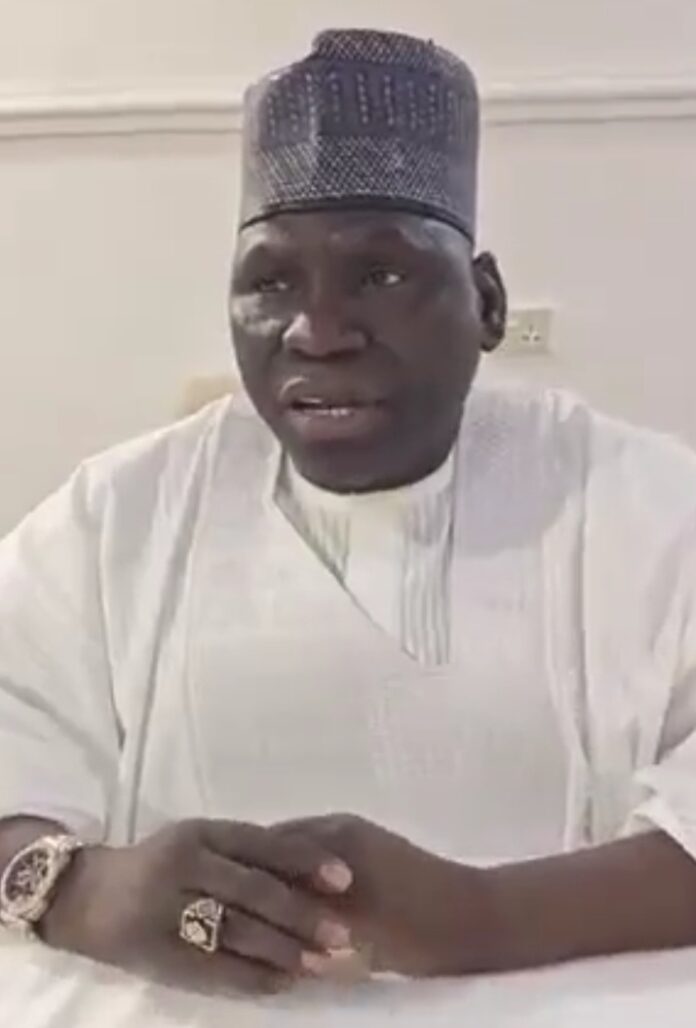
The Chairman of the All Progressives Congress (APC) in Yobe State, Muhammad Gadaka, has withdrawn his earlier controversial statement in which he urged married women whose husbands prevented them from voting for the party to end their marriages.
Gadaka also apologised to members of the public over the remark, saying he did not intend for the statement to be taken literally and that it was made as a joke.
The APC chairman had reportedly made the controversial comment while speaking at a campaign rally in Nangere, Yobe State, where he addressed party supporters ahead of the 2027 elections.
During the rally, Gadaka reportedly told women who were being prevented by their husbands from voting for the APC to consider ending their marriages, while also offering to pay their dowries and marry them.
The statement generated attention and controversy, particularly because of its reference to marital relationships and the sensitive nature of political participation within families.
However, in a subsequent clarification, Gadaka distanced himself from the earlier remark and formally withdrew it.
“I withdraw my earlier statement that any woman whose husband prevents her from voting for the APC should end her marriage and that I would marry her. I apologise to the public; I only said it as a joke,“ he stated.
The Yobe APC chairman’s clarification appears aimed at putting an end to the controversy surrounding the statement, as he acknowledged that the comment had attracted public attention beyond what he intended.
His original remarks had been made in the context of encouraging support for the APC and urging party members to remain committed ahead of the forthcoming elections.
The latest development comes as political parties across Nigeria intensify grassroots mobilisation and campaigns ahead of the 2027 general elections, with party officials increasingly taking their messages directly to communities and supporters.
Gadaka’s retraction underscores the heightened scrutiny faced by political figures over statements made at public rallies, where comments intended as political rhetoric or humour can quickly generate widespread reactions.